
How To
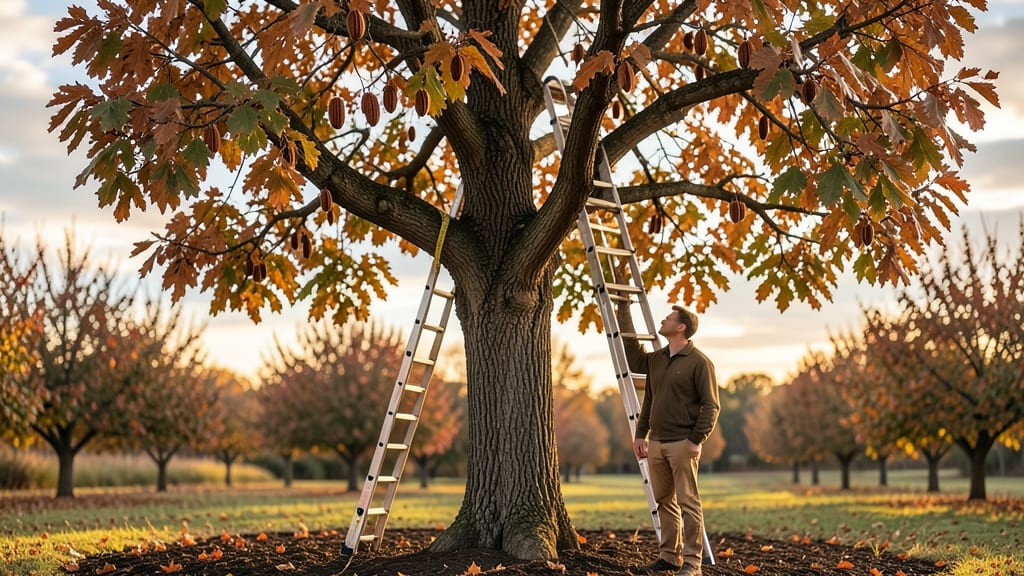
A pecan tree can grow to 70–100 feet tall—taller than a three-story building—if left unchecked, making it a challenge for home gardens.
Dreaming of harvesting your own pecans but worried your yard isn’t big enough? Pecan trees can reach towering heights—but some dwarf varieties stay compact enough for even the smallest spaces.
That’s the good news: with the right variety and care, you can enjoy homegrown nuts without sacrificing your lawn. Below, I’ll break down how height varies by type, how to manage growth, and which space-saving cultivars actually work in real yards.
Whether you’re pruning a young sapling or choosing a dwarf cultivar, these tips will help you grow a pecan tree that fits your space—and still produces a bountiful harvest.


Average pecan tree height: from giant specimens to dwarf varieties
If you're wondering how tall pecan trees grow, the answer varies dramatically depending on the variety and growing conditions. Standard pecan trees can soar to 70–100 feet at maturity, while dwarf cultivars stay between 10–20 feet.
Even in your backyard, choosing the right type makes all the difference—especially if space is limited!
Native pecan trees like Caddo or Desirable often reach their towering heights in 20–30 years under ideal conditions. Meanwhile, dwarf varieties like Wichita or Schley grow just 15–20 feet tall, perfect for small yards or urban gardens. The right choice depends on your goals and available space.
🌰
| Variety Type | Mature Height (ft) | Growth Rate (ft/year) | Best For |
|---|---|---|---|
| Standard (e.g., 'Desirable') | 70–100 ft | 1–2 ft | Large properties, orchards |
| Semi-Dwarf (e.g., 'Pawnee') | 30–50 ft | 0.8–1.5 ft | Medium yards, homesteads |
| Dwarf (e.g., 'Wichita') | 10–20 ft | 0.5–1 ft | Small yards, containers |
| Columnar (e.g., 'Green River') | 20–30 ft | 0.7–1.2 ft | Narrow spaces, espalier |
Climate plays a huge role in how tall your pecan tree grows. In USDA Zones 6–9, where pecans thrive, trees grow faster with hot summers and mild winters.
For example, a Desirable pecan in Texas might hit 80 feet in 25 years, while the same tree in a cooler zone like Zone 7 could stay shorter—around 50–60 feet.
Soil quality also affects height. Pecans need well-draining, slightly acidic soil (pH 6.0–7.0) with fertile topsoil. Poor soil slows growth, while rich, loamy soil can push a tree to its maximum height potential.
If your soil is heavy clay, consider amending it with compost or sand to improve drainage.
🪴
Pruning is another key factor. Without regular pruning, even dwarf varieties can grow taller over time. If you want to keep a Wichita pecan at 15 feet, prune annually to remove suckers and water sprouts.
For standard trees, structural pruning in early spring helps maintain a manageable shape while encouraging healthy growth.
Did you know? Pecan trees grow 2–3 times faster in their first 10 years compared to later stages. That’s why early pruning and care make such a difference in controlling height. A 10-foot dwarf tree at age 5 could easily reach 15 feet by age 10 if left unchecked.
🌳
If you're growing pecans in containers, expect even slower growth—typically 50–70% of field-grown rates. Dwarf varieties like Schley thrive in 15-gallon pots and stay under 12 feet tall with proper care. Just remember: container-grown trees need regular watering and annual repotting to avoid root-bound stress.
For the best results, pair your pecan tree with companion plants like blackberries or grapes, which share similar care needs. This not only saves space but also creates a productive edible landscape that maximizes your garden’s potential.
🌱
Best space-saving pecan tree varieties for small yards
If you love pecans but lack space for a towering 100-foot giant, don’t worry—compact pecan tree varieties exist! These dwarf cultivars thrive in small yards while still producing delicious nuts. The key is choosing the right variety for your climate and managing growth with proper care.
Most standard pecan trees reach 40–100 feet tall, but dwarf varieties stay between 10–20 feet, making them perfect for urban gardens. Below, I’ve curated the best space-saving options with their pros and cons to help you decide.
Space-Saving Pecan Varieties: Pros & Cons
Pros: 15–20 ft tall, cold-hardy, high yield.
Cons: Needs full sun, slower growth early on.
Pros: 12–18 ft tall, disease-resistant, early bearing.
Cons: Needs two trees for pollination, sensitive to wet soil.
Pros: 10–15 ft tall, heat-tolerant, great flavor.
Cons: Low yield in USDA Zone 6 or colder, needs pruning.
When selecting a compact pecan tree, prioritize cold hardiness if you live in Zone 6 or below. For example, 'Wichita' thrives in colder climates, while 'Cape Fear' prefers warmer regions. Always plant in well-draining soil with 6+ hours of sunlight daily for best results.
For urban gardens, consider container growing with dwarf varieties. Use a large pot (20+ gallons) and prune regularly to control height. Mulch around the base to retain moisture and reduce weeds, which is especially helpful in small spaces where competition for resources is high.
Remember, even dwarf pecan trees need space for roots to spread. Leave at least 8–10 feet of clearance around the trunk for airflow and future growth. With the right variety and care, you’ll enjoy homegrown pecans without sacrificing yard space!
Need more tips? Check out my guide on pruning pecan trees for small yards next to keep your tree healthy and compact. Happy growing! 🌰