
How To
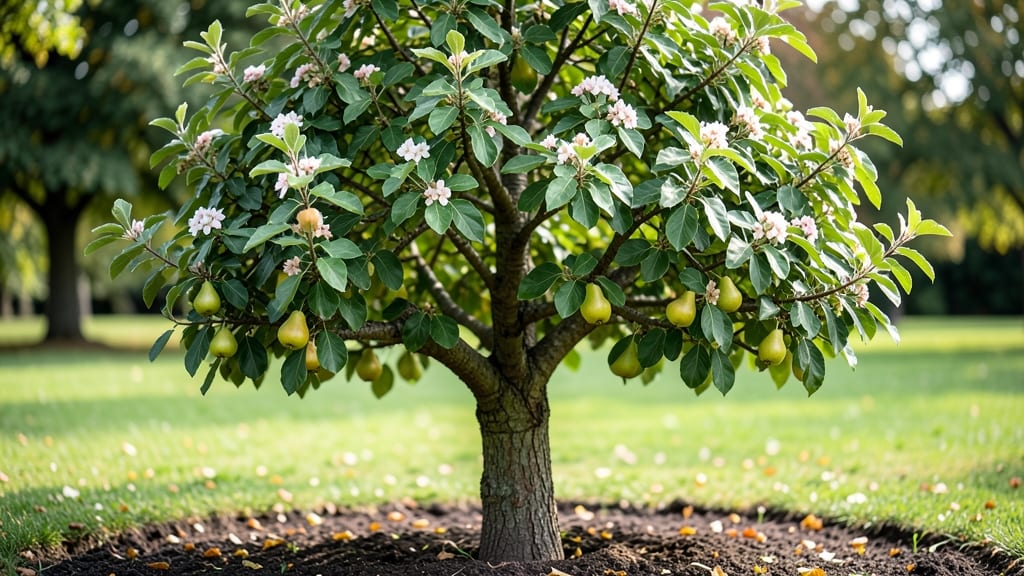
A pear tree can grow how tall does a pear tree grow? anywhere from 8 feet to towering 50 feet, depending on the variety and how you care for it.
If you’ve ever dreamed of growing your own pears but worry about limited backyard space, you’re not alone—many gardeners assume pear trees require sprawling yards to thrive. The truth? Some varieties stay compact, making them perfect for small gardens, patios, or even large containers.
Standard pear trees reach heights of 20 to 50 feet, but dwarf and semi-dwarf options keep things manageable at 8 to 18 feet.
Whether you’re working with a cozy urban yard or a sprawling rural plot, choosing the right size is the key to happy harvesting without sacrificing space.
In this guide, I’ll break down the height ranges for popular varieties, share tips for managing growth, and help you pick the perfect pear tree for your space—so you can enjoy fresh fruit without the headache of a giant tree.


Pear tree height by variety: compact options under 15 feet
Choosing the right pear tree variety can transform your small garden into a fruit-bearing paradise. While standard pear trees can tower over 50 feet, many dwarf and semi-dwarf varieties stay well under 15 feet, making them ideal for urban yards, patios, or even large containers.
The key lies in selecting the right rootstock and cultivar—both play critical roles in controlling height and spread.
Dwarf pear trees, for example, are often grafted onto dwarfing rootstock like Old Home x Farmingdale (OHxF), which naturally restricts their mature height to 8-12 feet. Semi-dwarf varieties, meanwhile, typically reach 12-18 feet but offer a balance between manageable size and robust fruit production.
Below, we’ll explore the top compact pear tree varieties and their ideal spacing requirements to help you make an informed choice.
Why size matters: Smaller trees require less pruning, fit into tight spaces, and often produce fruit 2-3 years earlier than their standard counterparts. Plus, their manageable height makes harvesting pears a breeze—no ladder required!
The 'Hood' pear is a standout choice for gardeners with limited space, maturing at just 8-10 feet and thriving in containers as large as 15-gallon pots. Its compact size makes it perfect for patios or balconies, though you’ll need to hand-pollinate it for fruit set.
For those who prefer a slightly larger tree with minimal effort, the 'Moonglow' variety reaches 12-15 feet and produces sweet, yellow pears that store well.
If you’re after early harvests, the 'Seckel' pear is a game-changer. This dwarf variety ripens in early fall and stays under 12 feet, making it ideal for small orchards or even espalier training against a fence. Just ensure it gets 6+ hours of sunlight daily—pear trees are sun-worshippers!
For canners and those who love versatile fruit, the 'Kieffer' pear is a semi-dwarf powerhouse, reaching 14-16 feet but producing prolific crops of firm, flavorful pears.
When planting any of these varieties, spacing is critical. Dwarf trees need 6-8 feet of clearance to avoid overcrowding, while semi-dwarf varieties like 'Moonglow' require 8-10 feet. Remember, pears are
How to choose the right pear tree size for your space
Choosing the right pear tree size depends on your garden layout and intended use. Standard varieties can reach 20-50 feet, but dwarf and semi-dwarf options stay under 15 feet, making them ideal for small yards or containers.
Start by measuring your space—this determines whether a dwarf, semi-dwarf, or standard tree fits best.
Consider your sunlight exposure next. Most pear trees need 6+ hours of full sun daily, but compact varieties tolerate partial shade better. If your space is shady, opt for dwarf varieties like 'Hood' or 'Moonglow,' which thrive with 4-6 hours of sun.
For ornamental value, choose trees with striking foliage or fruit colors.
Your intended use also matters. If you want fresh fruit, dwarf trees like 'Seckel' or 'Kieffer' produce abundant harvests in small spaces. For canning or baking, semi-dwarf varieties offer larger yields.
Always check the rootstock type—dwarf rootstocks (e.g., Quince A) keep trees small, while standard rootstocks (e.g., Seedling) encourage rapid growth.
Pear Tree Size Options
- ✅ Fits small yards, containers
- ✅ Early fruit production
- ✅ Low maintenance
- ✅ Balanced size for medium spaces
- ✅ Higher yield than dwarfs
- ✅ Tolerates pruning well
- ⚠️ Needs large yards
- ⚠️ Requires pruning
- ⚠️ Longer wait for fruit
Pruning plays a key role in managing pear tree height. For dwarf trees, prune in late winter to remove dead branches and shape the canopy. Use espalier training to grow trees flat against fences or walls, saving space while maximizing fruit production.
Semi-dwarf trees benefit from open-center pruning to improve airflow and sunlight penetration.
Before planting, test your soil drainage—pear trees hate soggy roots. Amend heavy clay with compost or sand to ensure well-draining soil. Mulch around the base to retain moisture and suppress weeds, which helps compact trees thrive.
Water deeply once weekly during dry spells, focusing on the root zone rather than the leaves.
Remember, pear tree height varies by cultivar and care. Even dwarf trees may grow slightly taller with ideal conditions. If space is tight, consider container growing—use a 15-gallon pot for dwarfs and repot every 2-3 years.
With the right variety and care, you can enjoy homegrown pears without sacrificing yard space! 🍐