
How To
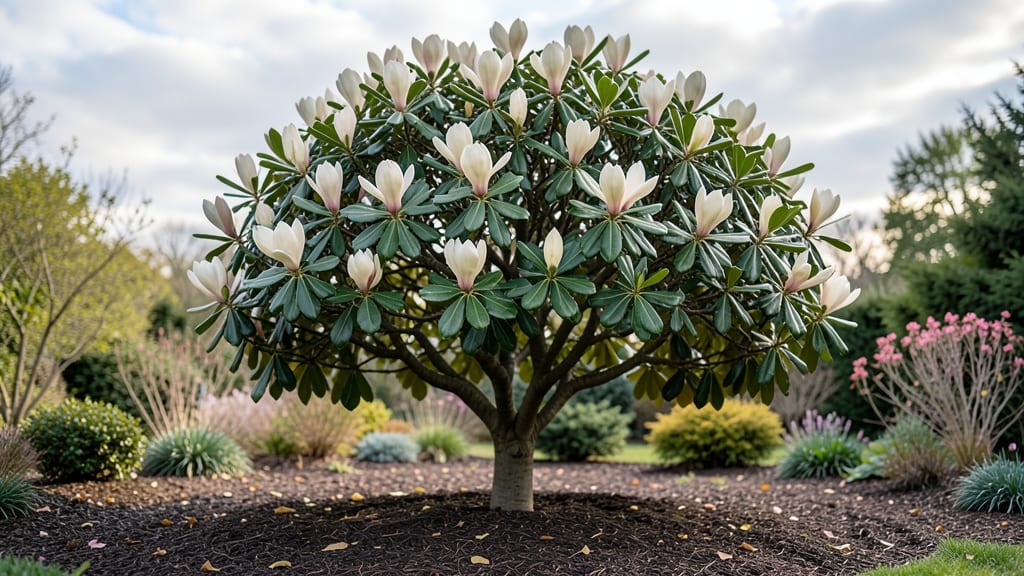
A magnolia tree’s how tall does a magnolia tree grow can range from a modest 8 feet to a towering 100 feet, depending on the species and growing conditions — and choosing the right one for your yard is everything.
Picture this: a Southern Magnolia 🌸 stretching toward the sky like a natural skyscraper, its glossy leaves casting shade over your entire backyard, while a 'Teddy Bear' magnolia stays cozy in a corner, blooming just a few feet tall. That’s the difference between a statement piece and a space-filler.
Whether you’re planning a grand landscape or a small garden, knowing the mature size of each variety helps you avoid costly mistakes.
Some magnolias grow 3 feet per year in ideal conditions, while others creep along at just 6 inches annually—and that’s before you factor in pruning or soil quality.
Below, I break down the exact height ranges for 12+ popular magnolias, how fast they reach maturity, and which compact varieties fit snugly in tight spaces—so you can pick the perfect tree without second-guessing.


Magnolia tree height by species: exact growth ranges and mature sizes
Choosing the right magnolia tree for your yard means understanding their dramatic height differences. Some varieties grow taller than a 6-story building, while others stay small enough for urban gardens.
The key is matching your space to the species—whether you want a grand statement tree or a compact accent plant. Let’s break down the exact mature heights for 12+ popular magnolias.
First, consider your yard’s dimensions. A Southern Magnolia can easily outgrow your driveway, while a Star Magnolia fits neatly in a suburban front yard. Below, we’ll explore the full range, from towering giants to petite dwarf varieties, so you can plan your planting with confidence.
| Species | Mature Height (ft) | Growth Rate (ft/year) | Best For |
|---|---|---|---|
| Southern Magnolia (Magnolia grandiflora) | 80–100 ft | 1–2 ft | Large estates, privacy screens |
| Sweetbay Magnolia (Magnolia virginiana) | 30–50 ft | 1 ft | Wet soils, woodland gardens |
| Saucer Magnolia (Magnolia × soulangeana) | 20–30 ft | 1–1.5 ft | Suburban yards, urban landscapes |
| Star Magnolia (Magnolia stellata) | 15–25 ft | 0.5–1 ft | Small gardens, container growing |
| Little Gem (Magnolia grandiflora 'Little Gem') | 15–20 ft | 0.5–1 ft | Dwarf alternative to Southern Magnolia |
| Teddy Bear (Magnolia 'Teddy Bear') | 10–15 ft | 0.3–0.5 ft | Patio trees, small spaces |
| Yulan Magnolia (Magnolia denudata) | 20–30 ft | 1 ft | Traditional gardens, Asian-inspired landscapes |
| Cucumbertree (Magnolia acuminata) | 50–70 ft | 1.5–2 ft | Woodland edges, large properties |
| Jane (Magnolia 'Jane') | 12–15 ft | 0.4–0.6 ft | Small yards, foundation planting |
| Loebner Magnolia (Magnolia × loebneri) | 15–20 ft | 0.5–1 ft | Hybrid vigor, disease resistance |
| Bigleaf Magnolia (Magnolia macrophylla) | 60–80 ft | 2 ft | Specimen trees, large gardens |
| Lily Magnolia (Magnolia liliflora) | 15–25 ft | 0.5–1 ft | Fragrant blooms, small landscapes |
Notice how the Southern Magnolia and Bigleaf Magnolia dominate the chart with heights exceeding 60 feet, making them ideal for rural properties or as privacy barriers. In contrast, the Teddy Bear and Jane varieties are perfect for urban gardens or patio plantings, where space is limited.
Growth rates also vary significantly. The Cucumbertree Magnolia can grow 2 feet per year under ideal conditions, while slower growers like the Star Magnolia add only 0.5–1 foot annually. This
How fast do magnolia trees grow? Height progression by age and care tips
Magnolia trees are stunning additions to any landscape, but their growth speed can vary dramatically depending on the variety and care. Understanding their height progression helps you plan your garden layout and anticipate when they'll reach their full glory.
Most magnolias grow 1-3 feet per year in ideal conditions, but some compact varieties grow slower.
In their first decade, magnolia trees focus on establishing strong roots before shooting upward. This means their height growth accelerates after year 5, when they've built a sturdy foundation.
Proper care during these early years sets the stage for faster growth later. Let's explore how their height progresses year by year.
- 1 Year 1: 1-2 ft - Focuses on root development
- 2 Year 2: 3-5 ft - Early vertical growth begins
- 3 Year 3: 6-10 ft - Rapid growth phase starts
- 4 Year 5: 12-18 ft - Height doubles from year 3
- 5 Year 10: 25-40 ft - Reaches small tree maturity
Note: Dwarf varieties grow 30-50% slower than standard types.
The growth rate of magnolia trees depends heavily on your local climate and soil conditions. In warmer climates like USDA zones 7-9, magnolias grow faster due to longer growing seasons.
They thrive in acidic, well-draining soil with a pH between 5.0-6.0. If your soil is alkaline, amend it with sulfur or peat moss to create ideal conditions.
Sunlight also plays a crucial role in growth speed. While magnolias tolerate partial shade, they grow fastest with 6-8 hours of morning sun. Afternoon shade protects their leaves from scorching.
In cooler climates, full sun can accelerate growth, but be prepared to water more frequently during dry spells to maintain moisture levels.
Pruning young magnolia trees can help direct their growth. Remove competing branches in early spring to encourage a single strong trunk. Avoid heavy pruning once the tree is established, as magnolias bloom on old wood.
For faster height growth, focus on removing lower branches that compete with the main trunk's upward momentum.
With proper care, some magnolia varieties can reach half their mature height in just 10 years. For example, a Southern Magnolia might reach 25-30 feet by year 10, while a Saucer Magnolia would be around 15-20 feet.
Always check the specific variety's growth habits when planning your garden layout to avoid overcrowding issues.
Remember that patience is key with magnolia trees. Their early growth may seem slow, but once established, they reward you with rapid vertical growth and stunning blooms that can last for weeks. With the right conditions, your magnolia could become the centerpiece of your landscape in just a decade! 🌳