
How To
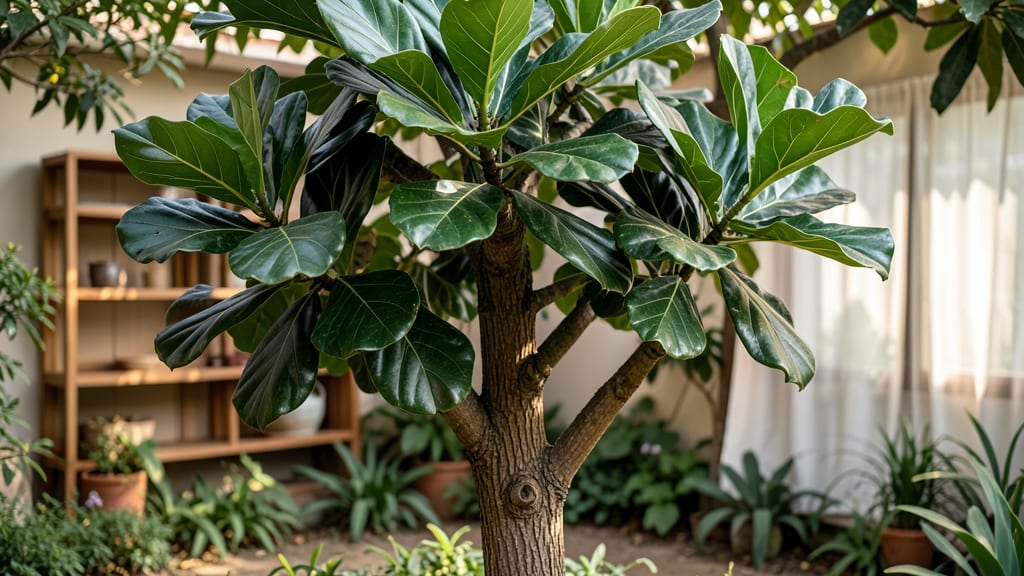
A ficus tree’s height—how tall does a ficus tree grow?—can range from a compact 8 feet to a towering 50 feet, depending entirely on the variety and where you grow it.
Picture this: a Ficus elastica 🌳 stretching toward your ceiling indoors, or a Ficus benjamina in your backyard dwarfing your patio furniture. The difference isn’t just about space—it’s about how you prune, what pot you choose, and whether you’re nurturing a bonsai or a full-grown shade tree.
Some species, like the popular rubber plant, stay manageable as houseplants, while others—like the weeping fig—can become outdoor giants if left unchecked. The good news? With the right care, you can steer their growth in any direction, whether you want a statement plant or a neatly trimmed shrub.
Below, I’ll break down the height ranges by variety, how to control growth through pruning, and the biggest mistakes that turn your ficus into a vertical jungle. Ready to pick the perfect size for your space?


Ficus tree height ranges by popular variety (with growth expectations)
Choosing a ficus tree often comes down to one key question: how tall will it grow? The answer varies wildly—from bonsai-sized miniatures to outdoor giants reaching 50 feet. Your space (indoor pot, patio, or landscape) and desired maintenance level will dictate the best variety.
Let’s explore 12 popular ficus species and their mature heights to help you pick the perfect fit.
Ficus trees grow at different rates based on light exposure, container size, and pruning habits. Indoor varieties typically stay smaller due to limited space, while outdoor types stretch toward the sky.
For example, a Ficus elastica (rubber plant) can hit 10 feet indoors but 30 feet outdoors. Always check growth expectations before committing to a variety.
Here’s a quick reference for mature heights and growth rates of the most common ficus trees:
| Variety | Mature Height (Indoor/Outdoor) | Growth Rate | Best For |
|---|---|---|---|
| Ficus elastica (Rubber Plant) | 10 ft / 30 ft | Moderate (1-2 ft/year) | Indoor statement plants, offices |
| Ficus benjamina (Weeping Fig) | 8 ft / 40 ft | Fast (2-3 ft/year) | Hanging baskets, outdoor landscapes |
| Ficus lyrata (Fiddle-Leaf Fig) | 10-15 ft / 20 ft | Slow to moderate (6-12 in/year) | Large indoor spaces, conservatories |
| Ficus microcarpa (Ginseng Fig) | 30-50 ft (outdoor only) | Very fast (3-5 ft/year) | Outdoor landscapes, privacy screens |
| Ficus retusa (Banyan Fig) | 20-30 ft (outdoor only) | Moderate (1-2 ft/year) | Tropical landscapes, bonsai (dwarf varieties) |
| Ficus pumila (Creeping Fig) | 1-3 ft (trailing) | Slow (3-6 in/year) | Vertical gardens, hanging displays |
| Ficus benghalensis (Banyan Tree) | 50-100 ft (outdoor only) | Very fast (4-6 ft/year) | Large outdoor gardens, parks |
| Ficus carica (Edible Fig) | 10-20 ft (outdoor only) | Moderate (1-2 ft/year) | Fruit production, Mediterranean climates |
| Ficus altissima (Java Fig) | 30-50 ft (outdoor only) | Fast (2-4 ft/year) | Tropical landscapes, shade trees |
| Ficus religiosa (Sacred Fig) | 50-100 ft (outdoor only) | Slow to moderate (1-3 ft/year) | Sacred gardens, cultural landscapes |