
How To
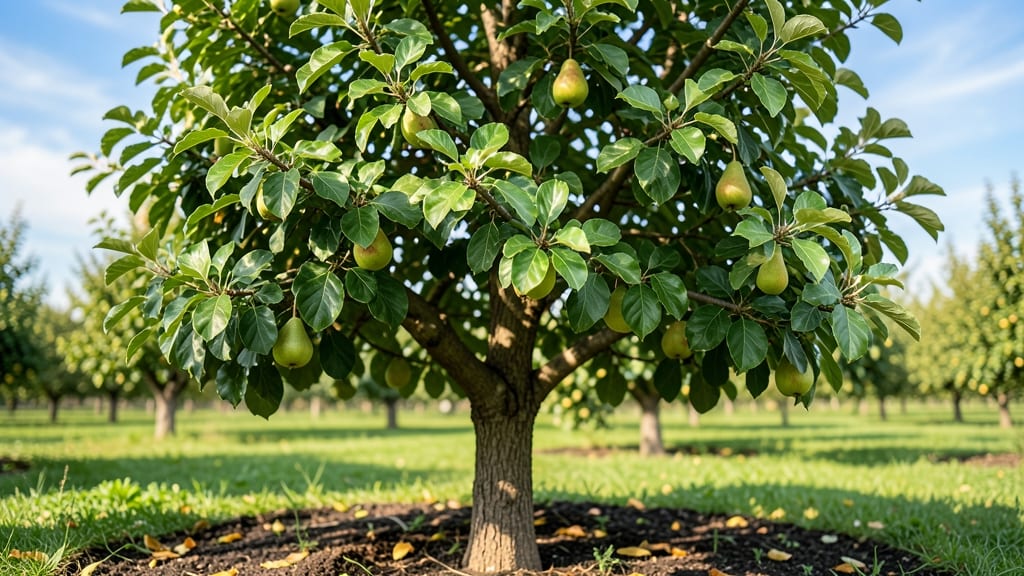
A pear tree can grow anywhere from 6 feet to over 50 feet tall, depending on the variety and how you care for it 🍐 — and that range might surprise you if you’ve only seen one type before.
Picture this: a waist-high dwarf Bartlett in a container on your patio, or a towering standard Anjou stretching toward your roof, its branches heavy with fruit. The difference between these two isn’t just size—it’s about space, maintenance, and whether you’re growing for show or harvest.
If you’re working with limited yard space, dwarf or semi-dwarf varieties are the game-changer you need. But if you’ve got room to spare, standard or even giant pear trees can become the centerpiece of your orchard.
Below, we’ll break down the height ranges by variety and share pruning secrets to keep your tree at your ideal height.
Ready to find the perfect fit for your backyard? You’ll learn how to choose a size that works for your space, how pruning shapes growth, and which varieties stay compact without sacrificing fruit quality.


Pear tree height variations: from dwarf to standard to giant sizes
Choosing the right pear tree height depends entirely on your space and gardening goals. Whether you're dreaming of a backyard orchard or a container-friendly patio tree, pear varieties come in every size imaginable.
From dwarf pears that fit cozy balconies to giant orchard varieties that tower over your property, the options are endless. Let’s explore how tall pear trees can grow and which varieties suit your needs best.
Most home gardeners focus on dwarf or semi-dwarf varieties because they’re easier to manage and produce fruit faster. However, standard and giant varieties offer larger harvests and stunning shade—if you have the room. The key is understanding each type’s mature height and growth habits before planting.
For example, a Bartlett pear tree (standard size) can reach 30 feet, while a Hooded Dutchess (dwarf) stays under 10 feet.
Why does height matter? Taller trees require more space, pruning, and long-term care, while dwarf varieties need less maintenance but may produce smaller fruit yields. Your local climate and soil type also influence how tall a pear tree will grow—warmer regions often see faster, fuller growth. Always check the mature height of a variety before purchasing, as this determines everything from pruning needs to harvest accessibility.
Here’s a quick breakdown of pear tree sizes to help you visualize your options:
| Variety Type | Mature Height | Best For | Example Varieties |
|---|---|---|---|
| Dwarf | 6–10 ft | Containers, small yards, urban gardens | Hooded Dutchess, Seckel, Moonglow |
| Semi-Dwarf | 12–16 ft | Small backyards, easy pruning | Kieffer, Orient, Summercrisp |
| Standard | 20–30 ft | Large yards, orchards, shade trees | Bartlett, Anjou, Bosc |
| Giant (Orchard) | 40+ ft | Commercial farms, rural properties | Seckel (old trees), some heirloom types |
If you’re growing pears in containers, stick to dwarf varieties like Seckel or Hooded Dutchess, which thrive in 15–25 gallon pots. These trees stay compact but still produce abundant fruit if given enough sunlight and regular pruning.
For ground planting, semi-dwarf varieties like Kieffer are ideal—they’re manageable yet productive, reaching 12–16 feet at maturity.
For those with large properties, standard varieties like Bartlett or Anjou are classic choices. These trees can grow 25–30 feet tall and create stunning shade while producing high-quality pears.
Just be prepared for regular pruning to keep them in check and ensure easy harvest access. If you’re aiming for a shade tree with fruit, these are the go-to options.
Did you know some pear trees can live for over 100 years? Older varieties, especially those grown from seeds (rather than grafts), can become giant trees exceeding 40 feet. These are rare in home gardens but common in historic orchards.
If you’re restoring an old pear tree, expect it to grow tall—possibly requiring professional pruning to maintain safety and health.
Your local climate plays a huge role in how tall a pear tree grows. In warmer regions (like USDA Zones 7–9), trees grow faster and may reach their mature height quicker.
In cooler climates (like Zone 5), growth slows, and trees might stay slightly shorter unless given extra care. Always choose a variety suited to your hardiness zone for the best results.
One final tip: Pruning young trees can influence their final height. If you want a shorter tree, prune aggressively in early years to encourage a bushier shape. For taller trees, let them grow naturally and prune only to remove dead or crossing branches.
Remember, pear trees fruit on new wood, so avoid over-pruning—you’ll sacrifice fruit production for a smaller size.
No matter which size you choose, pear trees are a rewarding addition to any garden. Whether you’re growing a 6-foot dwarf in a pot or a 30-foot standard in your backyard, the key is selecting the right variety for your space and committing to proper care.
With the right approach, you’ll enjoy homegrown pears for decades to come! 🍐🌳
How to choose the right pear tree height for your space
Selecting the perfect pear tree height depends entirely on your yard dimensions and garden goals. A dwarf variety like 'Hooded River' stays under 10 feet, making it ideal for urban patios, while standard trees like 'Bartlett' can reach 25-30 feet, perfect for large backyards.
Your space constraints and desired fruit yield will determine which size fits best.
Consider your pruning commitment—taller trees require more maintenance to control growth and shape. If you're short on time, a semi-dwarf (12-16 feet) offers a balance between manageable size and abundant harvests.
For small backyards, container-grown dwarf varieties are a game-changer, allowing you to grow pears even in tight spaces.
Urban gardeners often choose columnar pear trees, which grow vertically to 12-15 feet but stay narrow (under 4 feet wide). This design maximizes fruit production without overwhelming your space. Meanwhile, large orchards rely on standard or semi-dwarf varieties for commercial-scale yields.
Pear Tree Height Options: Pros & Cons
Dwarf (6-10 ft)
- ✅ Space-saving for patios/balconies
- ✅ Easier pruning and maintenance
- ✅ Faster fruiting (3-5 years)
- ❌ Limited fruit production per tree
- ❌ Shorter lifespan (15-20 years)
Semi-Dwarf (12-16 ft)
- ✅ Balanced size for small yards
- ✅ Higher yields than dwarfs
- ✅ Longer productive life (25+ years)
- ❌ Requires pruning for shape control
- ❌ Needs more space than dwarfs
Standard (20-30+ ft)
- ✅ Max fruit production for orchards
- ✅ Longest lifespan (30-50+ years)
- ✅ Shade benefits for large properties
- ❌ High maintenance (pruning, training)
- ❌ Requires ample space (20+ ft clearance)
Choose based on your yard size, time commitment, and fruit goals!
When choosing, measure your available sunlight and yard clearance. Standard trees need 20+ feet of space in all directions, while dwarf varieties thrive in 5x5-foot areas. For urban gardens, prioritize columnar or espaliered pears—they grow vertically along fences or walls, saving ground space while producing fruit.
Don’t overlook rootstock influence—the root system affects height. Dwarf varieties are grafted onto dwarfing rootstock like 'Old Home x Farmingdale', while standard trees use seedling rootstock. Always check the rootstock type when selecting a tree, as it determines both height and vigor.
If you're unsure, start with a semi-dwarf—it offers flexibility. You can prune it to stay smaller or let it grow taller over time. Just remember, proper pruning is key to managing height and encouraging fruit production, regardless of the variety you choose.