
How To
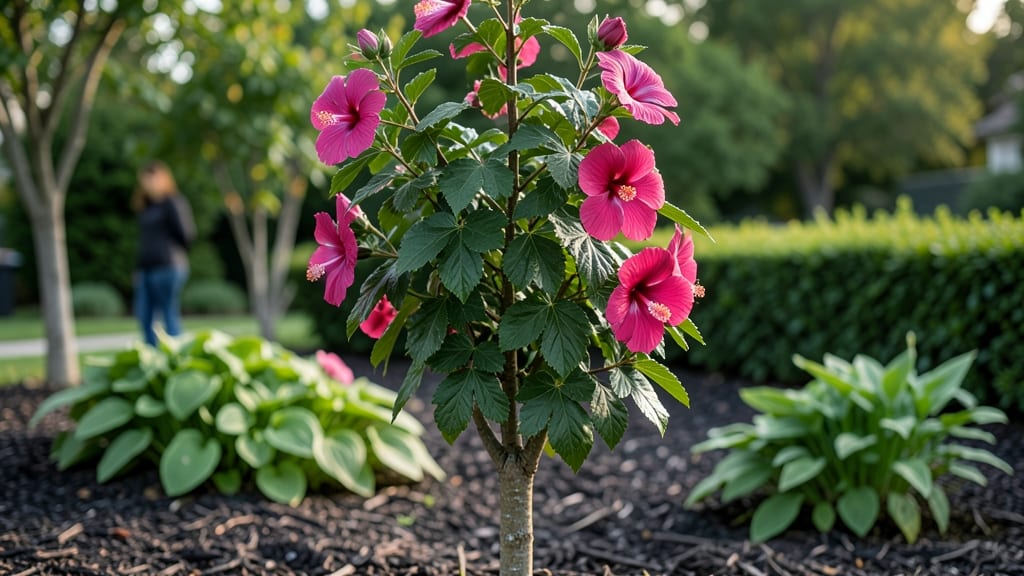
A hibiscus tree can grow anywhere from 6 feet to over 20 feet tall, depending on the variety and growing conditions—so your garden’s new centerpiece might end up dwarfing your patio or towering like a small tree.
If you're dreaming of a stunning tropical focal point for your garden, hibiscus trees are a top contender—but their final height can vary dramatically depending on the variety. From compact shrubs to towering giants, understanding these differences is key to planning your landscape perfectly.
Some hibiscus varieties, like the dwarf types, stay under 6 feet, making them ideal for small yards or containers. Meanwhile, tropical hibiscus trees can reach heights of 30 feet or more when left unpruned, which is why knowing your space—and your plant’s potential—is the first step to success.
Below, I’ll break down the height ranges for popular hibiscus varieties, the factors that influence growth, and practical tips to manage size—whether you want a bushy accent plant or a towering shade tree.


Hibiscus tree height by variety: small to giant species compared
Choosing the right hibiscus variety for your garden isn't just about vibrant blooms—it's about height control for perfect placement. Some varieties stay compact enough for container gardening, while others become towering tropical giants that need landscape planning.
The mature height of a hibiscus tree can range from 3 feet to over 30 feet, depending on the species and growing conditions.
Understanding these differences helps you select the perfect hibiscus for your space. Whether you're creating a small courtyard oasis or a tropical backyard retreat, knowing each variety's growth potential ensures your hibiscus thrives without overwhelming your garden design.
Let's explore the spectrum from dwarf hibiscus to tropical giants so you can make an informed choice.
🌺
For small-space gardeners, varieties like Hibiscus rosa-sinensis 'Little Red' (3-6 ft) are perfect for patio containers or balcony gardens. These compact hibiscus trees grow slowly, making them ideal for urban landscapes where space is limited. Their manageable size also means less pruning maintenance compared to larger varieties.
If you're working with a medium-sized yard, consider Hibiscus rosa-sinensis 'Pink Giant' or 'Disco Belle', which reach 6-12 feet at maturity. These varieties create stunning visual focal points while still fitting comfortably in most residential gardens.
Their moderate growth rate means you'll see noticeable height increases each growing season without overwhelming your space.
For those with large properties or tropical climates, the Hibiscus tiliaceus and Hibiscus pernambucensis varieties offer dramatic height potential. These tropical giants can reach 20-40 feet, making them perfect for creating natural privacy screens or landscape anchors in expansive gardens. However, their rapid growth means you'll need to
Factors that influence hibiscus tree growth height (and how to control it)
Your hibiscus tree's final height isn't just luck—it's a mix of genetics, care, and environment. While some varieties naturally reach 20 feet or taller, others stay compact with the right conditions. Understanding these factors lets you guide growth to fit your space perfectly.
Climate plays a huge role: tropical hibiscus thrive in warm zones (USDA 9-11) where they can grow 30+ feet without restraint. In cooler zones (6-8), growth slows dramatically, often capping at 8-12 feet unless you take extra steps to protect it.
- 1
- 2
- 3
- 4
- 5
To encourage taller growth, focus on full sun exposure and regular fertilization. If you want a shorter, bushier hibiscus, prioritize pruning in late winter and partial shade during peak summer heat. Always prune after flowering to preserve next year's blooms.
Remember, hibiscus trees grow fastest in their first 3-5 years. After that, growth slows as they mature. With the right care, you can guide your hibiscus to reach your desired height—whether that's a 6-foot shrub for containers or a 20-foot tropical giant for your backyard oasis.
For container-grown hibiscus, use dwarf varieties or prune aggressively to keep them under 5 feet. In-ground plants have more room to grow, so plan accordingly if you're planting near structures or power lines.
🌿