
Light Requirements
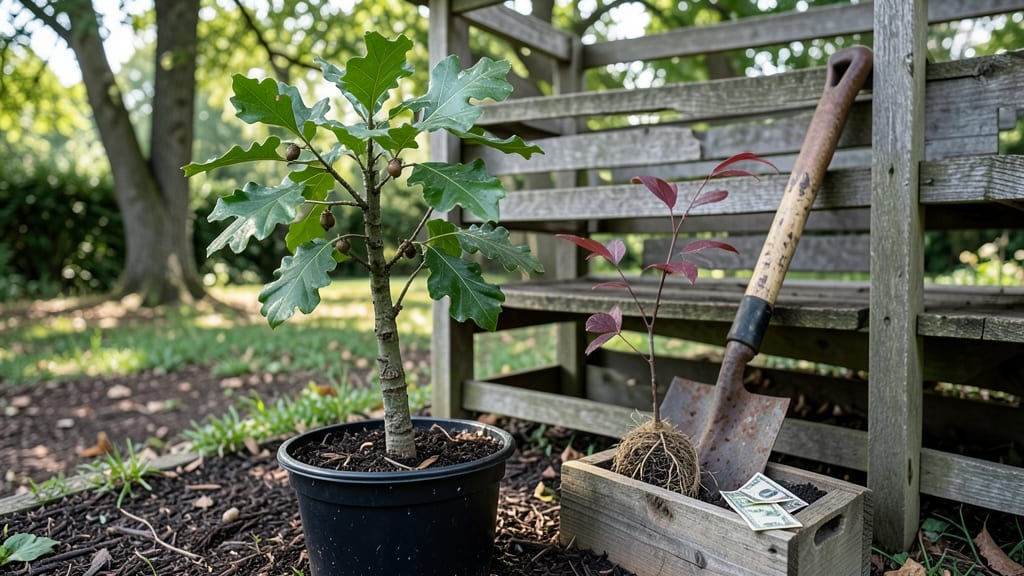
Costs for tree saplings range from $5 to over $50, depending on the type of tree, its size, and where you purchase it. Common fast-growing options like willow or poplar usually fall within the $5–$15 range, while specialty trees such as Japanese maples can cost $100 or more. Shopping at local nurseries, online stores, or tree farms gives you the best options for both budget and quality.
Tree sapling prices fluctuate based on factors like growth rate and demand. 🌳 For example, fruit-bearing trees like apple or cherry saplings often cost more than shade trees due to their specialized care needs.
If you're planting multiple trees, bulk discounts at tree farms can significantly cut costs—sometimes by 20–30%—while also ensuring healthier root systems. Always check for disease-resistant varieties if you're in a region prone to pests or fungal issues.
Local nurseries provide hands-on expertise and immediate planting support, but their selection may be limited. Online retailers, however, offer a wider variety and often include detailed care guides. 💛 I recommend comparing prices across platforms, especially during seasonal sales when many suppliers slash prices on dormant-season stock.
Just be sure to factor in shipping costs for online orders, which can sometimes negate savings.
💡 In This Article
- Factors That Influence Tree Sapling Pricing
- Best Places to Buy Affordable Tree Saplings
Factors that influence tree sapling pricing
The species you choose is the single biggest factor in pricing. Fast-growing trees like willow, poplar, or hybrid cottonwood saplings typically cost $5–$15 because they're easy to propagate and reach maturity quickly. Their root systems develop aggressively, making them ideal for erosion control or quick shade.
In contrast, slow-growing ornamental trees like Japanese maple or ginkgo can cost $50–$150+ because they require years of careful cultivation to develop their prized foliage and form.
Rootstock quality and growing method play a critical role too. Bare-root saplings (digged from the ground with minimal soil) are usually 20–40% cheaper than container-grown ones because they require less labor. However, container-grown trees have established root systems that transplant more easily, which is why they're preferred for urban planting.
The container size also matters—1-gallon pots (about $10–$25) are standard, but 5-gallon+ trees (often $30–$75) establish faster in your yard.
Seasonality affects pricing in surprising ways. Spring and fall are peak seasons when nurseries offer their widest selections, but prices can spike 15–30% during these periods. Summer sales often feature discounted dormant-season stock, sometimes at 50% off retail.
Climate also factors in—native species adapted to your region may cost less because they require minimal acclimation, while exotic varieties need special handling (like cold-hardiness testing) that drives up costs.
Bulk purchases unlock significant savings. Tree farms often offer 20–30% discounts when buying 10+ saplings, making them ideal for large-scale planting projects. For example, a single #1-grade white oak sapling might cost $25, but buying 20 at once could drop the price to $1.50–$2 each.
Government programs and conservation groups sometimes sell native species at cost ($5–$10) to promote reforestation efforts.
Certification and guarantees add to the price tag. Disease-free trees certified by organizations like the American Forest & Paper Association can cost 10–20% more than uncertified stock, but they're far less likely to fail.
The same goes for trees with root-pruning (for easier transplanting) or mycorrhizal fungi (to boost root growth)—these premium features justify higher prices. Always check for warranties, as reputable suppliers often include 30–90-day survival guarantees.
Don't overlook the hidden costs of preparation. Some suppliers charge extra for custom sizes (e.g., 6-foot-tall trees for instant privacy screens) or specialized rootballs (like air-pruned containers that encourage stronger roots).
If you're planting in urban areas, you might also need to pay for root barrier installation ($10–$30 per tree) to protect sidewalks or foundations.