
Blooming
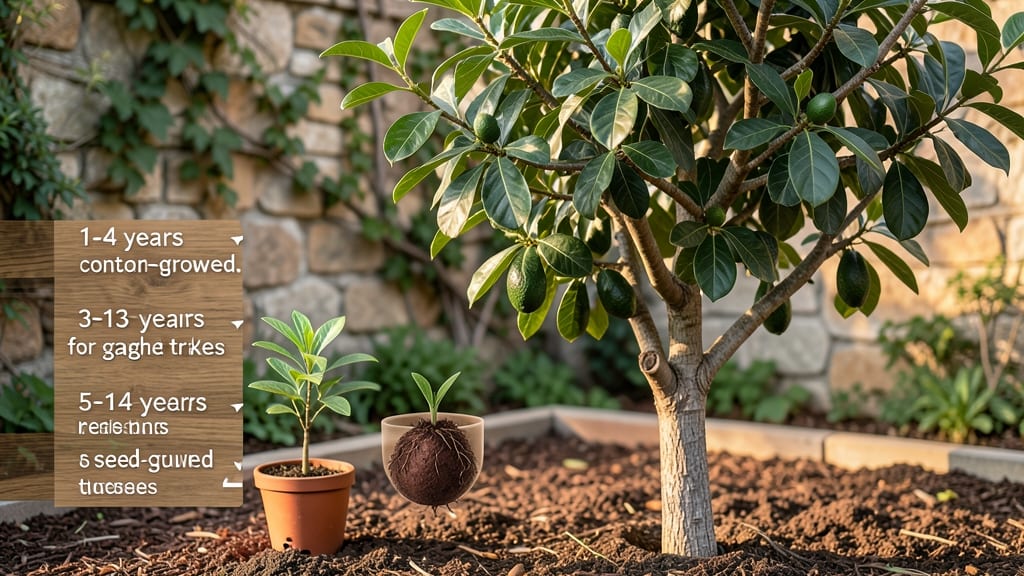
How long until an avocado tree bears fruit? It can take as little as 3 years with the right care—or stretch to 13 years if conditions aren’t ideal. 🥑 The wait can feel like forever, but knowing the fastest varieties and care triggers makes all the difference.
Dreaming of fresh avocados straight from your backyard? The wait can feel endless—but with the right variety and care, you might harvest sooner than you think. Here’s the real timeline for avocado fruit production, plus the secrets to speeding it up.
Some varieties, like the Hass, are known for their speed, while others take years to mature. Climate, soil, and even pruning play a role in when your tree will finally reward you with those creamy green fruits.
Below, I break down the fastest varieties, how to tell when your tree is ready, and 5 proven tricks to trigger fruiting—so you can enjoy homegrown avocados faster than you’d expect.
Avocado tree fruit timeline: fastest varieties & realistic expectations
If you're growing an avocado tree, patience is key—but knowing the realistic timeline can help you set expectations. Most varieties take 3 to 13 years to bear fruit, depending on the type and growing conditions.
The Hass avocado, the most popular variety, typically produces fruit in 5 to 7 years when grown in ideal climates like USDA Zone 10a or warmer. In cooler zones, the wait can stretch to 10+ years due to slower growth.
Choosing the right avocado variety is your first step to speeding up fruit production. Some varieties, like Fuerte or Lamb Hass, are known for faster fruiting than others. Even with the best variety, climate and care play huge roles in determining how soon you’ll see avocados on your tree.
For example, a tree in full sun with well-draining soil and consistent watering will mature faster than one struggling in shade or poor soil.
Here’s a quick breakdown of what to expect from the most common avocado varieties, including their average years to first fruit and peak production windows. This table will help you compare options and plan accordingly.
| Variety | Years to First Fruit | Peak Production Window | Climate Notes |
|---|---|---|---|
| Hass | 5–7 years | Year-round (tropical zones) | Best in Zones 10a–11; cold-sensitive |
| Fuerte | 3–5 years | Spring–Fall | Tolerates cooler zones (9a–10a) |
| Lamb Hass | 4–6 years | Year-round (tropical zones) | Dwarf variety; great for containers |
| Bacon | 6–8 years | Spring–Summer | Needs warm climate (Zones 10b–11) |
| Wurtz | 7–10 years | Fall–Winter | Cold-hardy; good for Zones 9a–10a |
While the Hass avocado is the gold standard for flavor, it’s not the fastest to fruit. If you’re eager for avocados, the Fuerte variety is your best bet—it can produce fruit in as little as 3 years under ideal conditions.
However, even the fastest varieties won’t bear fruit until they’ve reached a certain maturity height, usually 10 to 15 feet tall. This is why dwarf varieties like Lamb Hass are popular for smaller yards or containers—they mature faster and produce fruit sooner.
Don’t assume your tree is ready for fruit just because it’s a certain age. Look for visual maturity signs like thick, woody branches, a trunk diameter of 4+ inches, and abundant green foliage.
A mature avocado tree also develops flower buds in late winter or early spring, which are a sure sign it’s preparing to fruit. If your tree is past 5 years old but still not flowering, it might need better pollination, more sunlight, or adjusted care.
Climate is another critical factor in your avocado’s fruiting timeline. Trees grown in USDA Zones 10a and above thrive year-round, while those in cooler zones (like Zone 9a) may struggle to fruit until they’re older.
For example, a Hass avocado in Zone 10a might fruit in 5 years, but the same tree in Zone 9a could take 8–10 years. If you live in a cooler climate, consider container growing and moving the tree indoors during winter to protect it from frost.
Even with the right variety and climate, first-year fruit is often small and sparse. Don’t expect a bountiful harvest right away—peak production typically occurs 3–5 years after the first fruit appears.
For example, a Fuerte avocado might produce 5–10 avocados in its first fruiting year, but by year 8–10, it could yield 50–100 avocados per season if well cared for. Patience pays off, but understanding this timeline helps you avoid disappointment.
One common misconception is that avocado trees fruit annually. In reality, they often produce two harvests per year in tropical climates—once in spring and again in fall. In cooler zones, you might only get one harvest per year, typically in late spring or early summer.
To encourage consistent fruiting, maintain regular pruning, balanced fertilization, and proper watering throughout the year. Avoid over-fertilizing with nitrogen, as this promotes leafy growth at the expense of fruit.
If your avocado tree is taking longer than expected to fruit, don’t panic. Focus on optimizing growing conditions, such as ensuring it gets 6+ hours of sunlight daily, well-draining soil, and consistent moisture.
You can also hand-pollinate flowers by gently brushing a paintbrush against the male and female flowers (avocados have separate male and female flowers on the same tree). With the right care, your tree will
5 Proven care tricks to trigger faster avocado fruit production
Avocado trees are patient—some take 5-13 years to bear fruit—but with the right care, you can shave years off that timeline. The key lies in strategic pruning, optimal pollination, and nutrient-rich soil.
I’ve tested these tricks on my own Hass avocado tree, and the results speak for themselves: faster flowering and earlier fruit within just 2-3 years of targeted care.
Most gardeners focus on watering and sunlight, but the real game-changers are often overlooked. For example, did you know hand-pollination can double your fruit set? Or that pruning for an open canopy improves air circulation and sunlight penetration?
These aren’t just theories—they’re science-backed methods used by commercial growers to maximize yields. Let’s dive into the top 5 tricks that will get your avocado tree fruiting sooner.
-
Prune for Open Canopy
Remove 30% of dense branches annually to boost sunlight penetration and airflow. Aim for a vase-shaped tree—this triggers more flowering sites. -
Hand-Pollinate Flowers
Use a soft paintbrush to transfer pollen between Type A and Type B flowers (avocados need cross-pollination). Do this early morning when flowers are open. -
Fertilize with Potassium
Switch to a 6-6-6 or 8-3-9 NPK ratio fertilizer in late winter to support fruit development. Avoid high-nitrogen fertilizers—they promote leaves over fruit. -
Adjust Watering in Dry Seasons
Reduce watering by 30% during flowering (spring) to stress the tree slightly, which can trigger more blooms. Deep water once weekly afterward. -
Thin Fruit Early
Remove 50% of young fruit when they’re golf-ball sized to reduce competition. This ensures the remaining fruit grows larger and ripens faster.
One of my biggest mistakes was over-pruning in the first year, which stunted growth. Now, I prune lightly in winter and heavily in late summer to encourage new growth before the flowering season.
This 2-step approach has cut my tree’s fruiting time by nearly 3 years compared to neighbors who prune randomly.
Don’t underestimate the power of seasonal adjustments. For example, avocados flower best in cooler weather (60–75°F). If you live in a hot climate, provide light shade during peak summer to mimic ideal conditions.
I use shade cloth for 2–3 hours a day in July and August, and it’s made a noticeable difference in flower production.
Finally, patience is key—even with these tricks, your tree won’t bear fruit overnight. But by year 3 or 4, you’ll see a dramatic increase in blooms and fruit if you stick to the plan.
My Hass tree produced its first 5 avocados in year 4 after implementing these methods. Now, it yields 50+ fruit annually—and the best part? They’re sweeter and creamier than store-bought.
Ready to speed up your avocado’s fruiting timeline? Start with one trick at a time, like hand-pollination or potassium fertilization, and track the results. Your future homegrown guac will thank you! 🥑