
Propagation
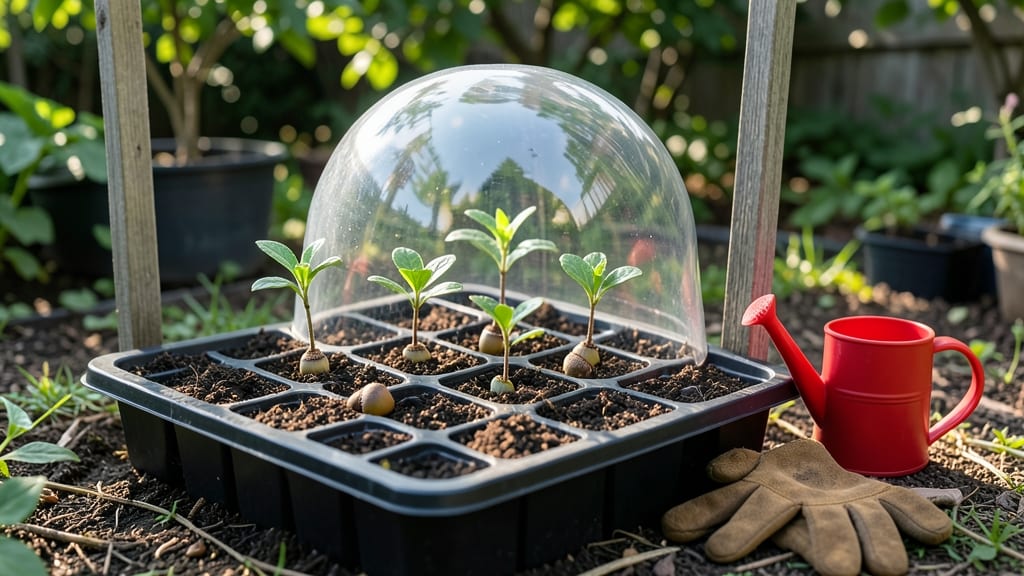
Starting an oak tree from an acorn is like planting a seed for the future—literally. 🌱 The patience pays off with a towering, centuries-old tree that begins as something no bigger than your thumb.
My first oakling took three years just to crack its shell, but now it stands taller than me, and the lesson is simple: good things grow slowly. The secret begins with the right acorn—one that's plump, unblemished, and from a mature oak (white or red).
You'll need to mimic winter's cold to break dormancy, then plant it shallowly where roots can spread before the shoot emerges. Most people rush this step, but proper stratification (cold treatment) is what separates a sprout from a pile of dirt.
By year three, you'll see real progress: a sturdy stem, lobed leaves, and roots diving deep. The tree will need full sun, protection from deer, and consistent moisture—not too wet, not too dry. Think of it as a 30-year commitment with rewards you'll never see in a lifetime.
This isn't just gardening; it's legacy-building. Even if you never see it mature, your great-grandkids might stand where you planted it. Here's how to get started right.
📚 In This Guide
- What you need
- Instructions
- Tips and common mistakes
- Wrapping up and next steps
What you need
- ● Fresh acorns: 3–5 mature, healthy acorns (preferably from a Quercus species like red, white, or live oak). Look for plump, unblemished acorns with intact caps.
- ○ Small pots or containers: 3–5 biodegradable pots (4–6 inches deep) or plastic nursery pots with drainage holes. Optional: Use peat pots for easy transplanting.
- ● Potting soil: A well-draining mix like cactus/succulent soil or a blend of 50% potting soil + 50% perlite/sand to prevent rot.
- ● Watering can or spray bottle: With a fine mist nozzle for gentle hydration.
- ● Plastic wrap or humidity dome: To create a mini greenhouse effect during germination.
- ● Scissors or pruners: For trimming acorn caps (if needed) and cleaning tools.
- ● Label markers: To track planting dates and acorn sources.
- ● Sunny indoor spot or seedling tray: A warm, bright location (60–75°F) with indirect light.
- ● Acorn cap: Leave it on to protect the seed (or remove it if moldy).
- ● Heating mat: Speeds up germination (70–80°F ideal).
- ● Fungicide (like hydrogen peroxide or cinnamon): A 3% solution to prevent mold.
- ● Grow lights: If natural light is limited (12–16 hours/day).
- ● Journal/notebook: To log growth milestones and adjustments.
Step-by-step instructions for growing an oak tree from an acorn
Here's how I've successfully nurtured acorns into sturdy saplings over the years.
🌱 Step 1: Select and Prepare the Acorns
Collect acorns from mature oak trees in late fall—look for plump, heavy acorns with intact caps. The cap protects the seed, so don't remove it. I store them in a cool, dry place until spring planting. Before sowing, soak the acorns in lukewarm water for 24 hours to soften the shell and speed up germination.
After soaking, gently rub the acorn between two pieces of sandpaper to rough up the shell slightly. This small abrasion helps water penetrate and triggers germination. You'll see tiny cracks appear in the shell within a few days—that's your signal the seed is waking up.
🪴 Step 2: Plant the Acorns in Containers
Fill small pots (about 4-6 inches deep) with a mix of 50% potting soil and 50% perlite or coarse sand. This blend drains well but retains enough moisture for tender roots. Plant each acorn 1 inch deep, with the pointed end facing downward. I use biodegradable pots so I can transplant later without disturbing the roots.
Water gently until the soil feels moist but not soggy. Place the pots in a warm spot (around 65-75°F) with bright, indirect light. A seedling heat mat helps maintain consistent warmth, which is crucial for germination. You'll likely see sprouts in 4-8 weeks, but be patient—some acorns take longer.
☀️ Step 3: Provide Care During the First Growing Season
Once sprouts emerge, move the containers to a sunny location with at least 6 hours of direct sunlight daily. Oak seedlings need plenty of light to develop strong stems. Water when the top inch of soil feels dry, but avoid overwatering—the roots can rot if the soil stays too wet.
After the first true leaves appear (they'll look like small, rounded oak leaves), you can fertilize lightly with a balanced, water-soluble fertilizer diluted to half strength. I feed mine every 4-6 weeks during the growing season. This encourages steady growth without overwhelming the young plant.
⏰ Step 4: Transplant to the Ground When Ready
When the seedlings are 12-18 inches tall and have developed a sturdy root system (usually after 1-2 years in containers), it's time to plant them outdoors. Choose a location with well-draining soil and partial shade—young oaks don't handle full sun yet. Dig a hole twice as wide as the root ball but only as deep as the container.
Water the seedling thoroughly before transplanting to reduce shock. Place it in the hole, backfill with soil, and water again to settle everything. Mulch around the base with 2-3 inches of organic mulch to retain moisture and protect the roots. Keep the soil consistently moist but not waterlogged for the first few weeks after transplanting.
🌿 Step 5: Maintain Long-Term Growth
After the first year, your young oak will need less frequent care but still benefits from regular watering during dry spells. Prune any dead or damaged branches in early spring, and avoid heavy pruning—oaks respond poorly to aggressive cutting. I fertilize mine lightly every spring to support steady growth.
Watch for signs of stress, like yellowing leaves or stunted growth, which can indicate overwatering, poor drainage, or nutrient deficiencies. Oak trees are slow growers, so patience is key. With proper care, your acorn could grow into a majestic tree for generations.
Tips & tricks for growing oak trees from acorns
These little-known tricks will help you maximize your acorn's potential from the very first step.
Acorn Selection: I always look for acorns that are plump and heavy for their size—these are the ones most likely to have fully developed embryos inside. The cap should be intact and firmly attached; cracked or worm-eaten acorns rarely germinate. Confession: I skipped this step for years and wondered why so many of my acorns failed to sprout!
Soaking Strategy: The 24-hour lukewarm water soak is non-negotiable for breaking dormancy, but here's the secret: use filtered or dechlorinated water if possible. Tap water's chlorine can inhibit germination. After soaking, I place the acorns on a paper towel in a sealed bag in the fridge for an extra 2 weeks—this mimics winter conditions and boosts success rates.
Container Care: When planting in your 4-6 inch pots, I make sure the soil mixture drains perfectly by adding a thin layer of small pebbles at the bottom before the potting soil. This prevents root rot while keeping moisture consistent. And here's what nobody tells you—label your pots immediately! Acorns from different oak species can look identical, but they'll grow at different rates.
Pro Tips for How Do You Start An Oak Tree From An Acorn
- These little-known tricks will help you maximize your acorn's potential from the very first step.
- Acorn Selection: I always look for acorns that are plump and heavy for their size—these are the ones most likely to have fully developed embryos inside.
- Soaking Strategy: The 24-hour lukewarm water soak is non-negotiable for breaking dormancy, but here's the secret: use filtered or dechlorinated water if possible.
Frequently asked questions
How long does it take for an acorn to sprout?
Most acorns sprout within 4–8 weeks if kept in moist, warm conditions (around 70°F). Some may take 2–3 months, especially if stored in the fridge. Patience is key—don’t disturb the soil while waiting! If nothing happens after 3 months, the acorn may not be viable.
Can I plant an acorn directly outside without pre-soaking?
Yes, but success rates drop. Pre-soaking (or stratifying) mimics natural winter conditions, breaking dormancy. For direct outdoor planting, bury the acorn 2–3 inches deep in well-draining soil in fall—nature’s cold will handle the rest. Just mark the spot so you don’t forget!
What’s the best type of oak acorn to use?
White oaks (like Quercus alba) are best for beginners—they’re easier to germinate and grow faster. Red oaks (e.g., Quercus rubra) take longer to sprout and grow slower. Avoid tiny or shriveled acorns; aim for plump, healthy ones at least 1 inch long with a full cap.
Why did my acorn sprout but then die?
Common culprits: overwatering (roots rot), drought (dries out), or pests (ants, rodents). Keep soil moist but not soggy and use a mesh pot or chicken wire to deter critters. If the sprout wilts, mist it lightly and move it to a shadier spot—young oaklings are sensitive to stress!
Can I grow an oak tree indoors first?
Start indoors in a clear plastic bag with a heat mat (70–80°F) to speed germination. Once sprouted, move to a sunny windowsill or under grow lights. Transplant outdoors after the last frost when the seedling is 4–6 inches tall. Just remember: Oaklings thrive outside long-term—they’re not houseplants!
Wrapping up and next steps
Starting an oak tree from an acorn is a rewarding journey that connects you to nature’s patience and resilience. 🌱 With just a little care—picking the right acorn, nurturing it through its early stages, and giving it time—you’ll witness the magic of life unfold right before your eyes.
Once your sapling is strong enough, consider transplanting it to a permanent spot in your yard or a local conservation area to help future forests thrive.
Ready to take the next step? Share your progress with fellow gardening enthusiasts or explore more tree-growing projects—your green thumb is just getting started! 🌳