
Pruning
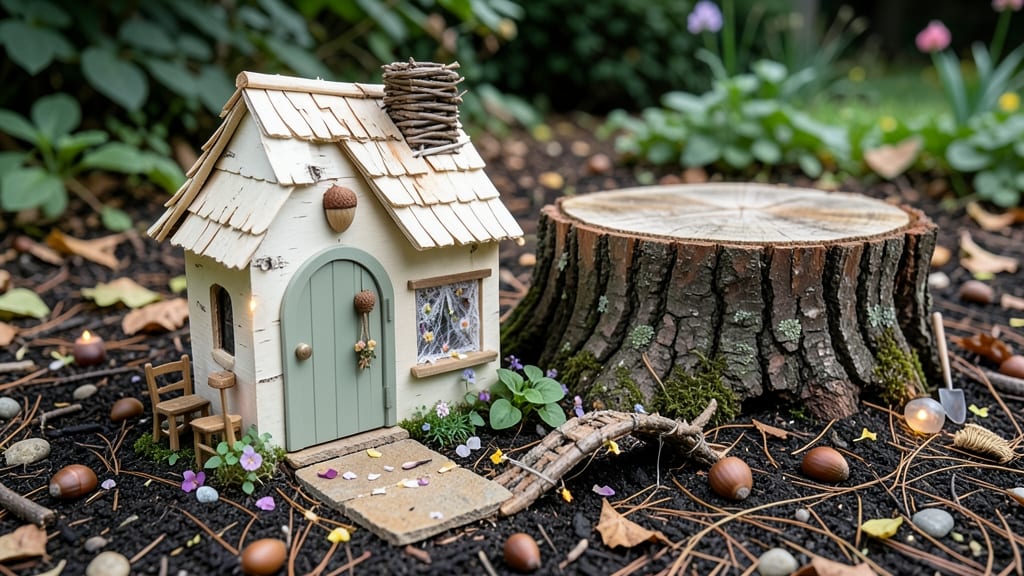
Building a fairy house out of a tree stump turns weathered wood into enchanting fairy dwellings by carving miniature rooms, crafting moss-covered roofs, and embellishing with natural treasures like pebbles and twigs. Begin with a hollowed stump foundation and use eco-friendly paints for colorful details.
Turning a tree stump into a fairy house breathes new life into nature's leftovers while creating magical spaces for tiny visitors. 🌿 The key is starting with a stump that has natural hollows or soft spots—these become the perfect foundation for your fairy abode.
I always recommend using untreated wood and non-toxic materials to keep it safe for kids and wildlife. The real magic happens when you combine found elements like acorns for door knobs or pinecones as chimneys with your carvings, making each house uniquely yours.
This project isn't just about decoration—it's about storytelling. Every notch and pebble adds to the fairy tale you're creating. For extra durability, seal your creation with a natural wood finish that lets the wood's character shine while protecting it from the elements.
The possibilities are endless, whether you're crafting a cozy cottage or a grand castle—just let your imagination guide you!
💡 In This Article
- Choosing and Preparing Your Tree Stump for Fairy Houses
- Creative Fairy House Design Ideas Using Tree Stumps
Choosing and preparing your tree stump for fairy houses
The perfect stump for fairy houses starts with its natural state—look for one that's partially decayed but still structurally sound. A stump with a 3-6 inch diameter provides ideal proportions for miniature architecture, while larger stumps (up to 12 inches) can become grand fairy castles.
The decay level matters too: soft, spongy wood carves easily but may crumble, while slightly firm wood offers durability. A stump with existing hollows or cracks becomes your instant foundation for rooms and doorways. 🌟
Safety comes first when transforming wood into fairy dwellings. Always wear gloves and goggles—tree stumps often harbor splinters, insects, or fungal spores. Essential tools include a carving knife or chisel (for precise cuts), sandpaper (120-220 grit) (to smooth rough edges), and a wood stabilizer (to prevent further decay).
For stability, drill small holes and insert wooden dowels to reinforce weak spots. The goal is to preserve the stump's natural charm while making it sturdy enough to withstand weather and tiny fairy visitors.
Preparation transforms a raw stump into your fairy house canvas. Start by cleaning the surface with a stiff brush to remove dirt and loose bark. If the stump has deep cracks, fill them with wood filler and let dry completely.
For extra protection, apply a non-toxic wood sealant—this preserves the wood's texture while keeping it safe for children and wildlife. The sealant also prevents paint from soaking into the wood unevenly, ensuring vibrant colors that last.
Think of this step as giving your stump a magical spa treatment before the real creativity begins.
Seasonal considerations play a role in stump selection. In spring, fresh stumps contain more moisture, making them softer to carve but requiring extra drying time. Autumn stumps, with their natural cracks, often reveal beautiful grain patterns perfect for fairy doors and windows.
Winter stumps may be drier but can be brittle—test with a small carving to gauge hardness. The best time to start is when the stump feels dry to the touch but not powdery, typically late summer or early autumn when the wood has had time to season naturally.
Nature provides free decorating materials right at your feet. Collect moss for roofs, pebbles for pathways, and acorns or pinecones for furniture—these elements create an authentic fairy-tale aesthetic.
For color accents, use acrylic paints designed for outdoor use and apply them with fine brushes or even toothpicks for delicate details. The key is balance: let the stump's natural textures shine while using decorations to tell your fairy story.
A well-prepared stump becomes the perfect blank canvas for your imagination.
What most people overlook is the stump's hidden potential for multi-level designs. A stump with varying heights can become a fairy village with terraced homes connected by tiny bridges made from twigs.
The natural contours create instant architectural interest—no need for perfect symmetry. This is where the real magic happens: turning something ordinary into something extraordinary through careful observation and a little creativity. 💫