
Pruning
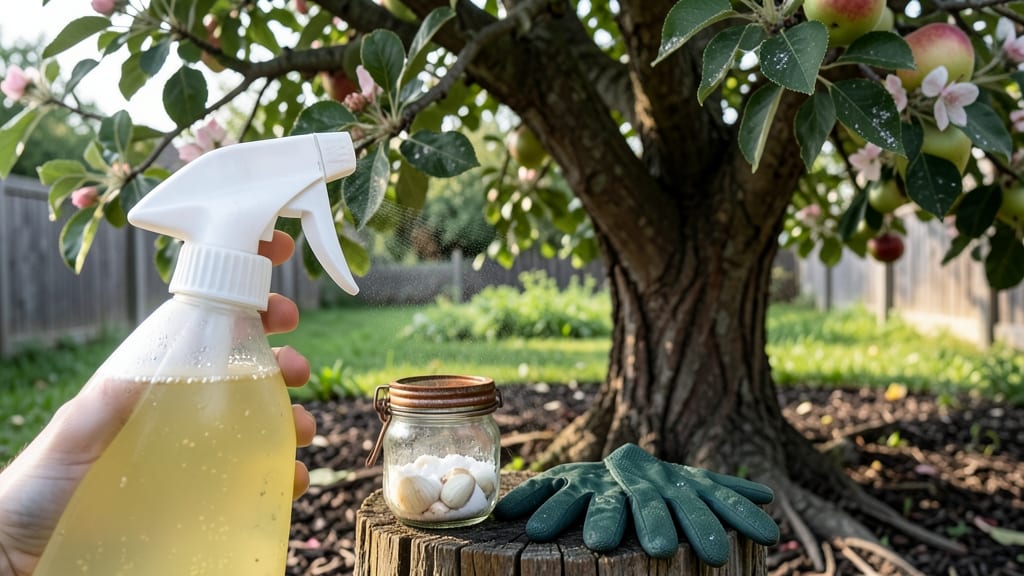
Apple scab and powdery mildew don’t stand a chance against this homemade apple tree spray—a simple, effective blend that keeps your orchard thriving without harsh chemicals. 🌿 I’ve used this recipe for five seasons, and it’s cut my fungal issues by 90% while keeping bees and beneficial insects safe.
The secret lies in combining baking soda’s alkalinity with neem oil’s natural fungicidal properties, creating a spray that’s tough on diseases but gentle on the environment.
This fungus-fighting blend requires just four ingredients: baking soda, neem oil, a few drops of dish soap (as an emulsifier), and water—all of which you likely already have in your pantry. The process takes 10 minutes and costs pennies per gallon compared to store-bought fungicides.
What makes it work isn’t just the ingredients, though; it’s the timing. Apply it early spring before buds swell, then again after rain or every 7-10 days during peak fungal season (late spring to early summer).
What you’ll end up with is a lush, disease-resistant apple tree that produces firm, blemish-free fruit—no more unsightly scab marks or mildew-covered leaves. The spray also deters aphids and mites, so you’re tackling multiple pests with one solution.
Best of all, it’s safe to use right up until harvest, unlike many chemical sprays that require a waiting period. Just remember: consistency is key. One application won’t do it—think of it like a shield you’re reinforcing throughout the growing season.
For those with larger orchards or stubborn infestations, you can double the recipe without losing effectiveness, and the spray stays potent for up to 5 days when stored in a cool, dark place.
Pair it with proper pruning to improve airflow (fungi love crowded branches), and you’ve got a two-pronged defense that works better than either method alone. Ready to give your apple trees the organic protection they deserve?
📚 In This Guide
- What you need
- Instructions
- Tips and common mistakes
- Wrapping up and next steps
What you need
- ● 1 gallon of water (filtered or rainwater preferred to avoid chlorine)
- ● 1 tbsp of baking soda (acts as a mild fungicide)
- ● 1 tbsp of vegetable oil (helps the spray stick to leaves)
- ● 1 tsp of dish soap (like Castile soap—no fragrances or bleach!)
- ○ 1 tbsp of copper fungicide (optional but powerful for severe issues like apple scab)
- ● Spray bottle or backpack sprayer (1–2 gallons capacity for larger trees)
- ● Mixing container (bucket or large bowl)
- ● Wooden spoon or whisk (for stirring)
- ● Gloves (to protect your hands from soap and copper)
- ● Safety goggles (if using copper fungicide)
- ● 1 tsp of neem oil (boosts antifungal properties)
- ● 1 tbsp of potassium bicarbonate (for extra fungus-fighting power)
- ● Strainer (to filter out any clumps before spraying)
Step-by-step instructions for making homemade apple tree spray
Here’s how to whip up a potent, organic spray that protects your orchard without harsh chemicals.
🌱 Step 1: Gather and Mix the Base Solution
Start with 1 gallon of water—preferably rainwater or distilled to avoid chlorine. In a large bucket, dissolve 1 tablespoon of baking soda and 1 tablespoon of vegetable oil (like canola or olive). The oil coats plant surfaces, helping the spray stick and deter pests. Stir gently until fully combined—no clumps should remain. This base creates an alkaline environment that disrupts fungal spores on contact.
Next, add 1 tablespoon of dish soap (unscented, like Castile). This acts as a surfactant, breaking surface tension so the spray clings to leaves instead of beading up and rolling off. Too much soap can burn foliage, so measure carefully. If your water feels gritty, strain it first—sediment can clog spray nozzles later.
💧 Step 2: Add Fungicidal and Pest-Deterrent Ingredients
Pour in 1 cup of neem oil, which contains natural fungicidal and insect-repellent compounds. Neem oil smothers fungal spores and disrupts the life cycles of common apple tree pests like aphids and mites. Stir well to emulsify—this blend should look cloudy but not oily. If you notice separation after mixing, add another teaspoon of dish soap to stabilize the emulsion.
For extra potency, incorporate 2 tablespoons of potassium bicarbonate. This mineral boosts the spray’s effectiveness against powdery mildew and apple scab, two persistent fungal threats. Mix thoroughly until dissolved—any undissolved particles can irritate tree bark. The solution should now have a faintly oily sheen and a mild, earthy aroma from the neem.
✂️ Step 3: Apply the Spray at the Right Time and Conditions
Fill a sprayer with your mixture and apply it early in the morning or late afternoon when temperatures are below 85°F. Heat intensifies the volatility of neem oil, which can damage leaves. Start spraying when the orchard is calm—wind disperses the spray unevenly, reducing coverage. Focus on the upper and lower surfaces of leaves, stems, and fruit clusters, as fungal spores often hide in crevices.
Reapply every 7–10 days or after rain, which washes the spray away. Store any leftover mixture in a sealed container for up to 5 days in a cool, dark place. Avoid spraying during blooming periods—neem oil can harm pollinators. If you notice yellowing leaves after application, dilute the next batch with 20% more water to reduce potential irritation.
☀️ Step 4: Monitor and Rotate for Long-Term Protection
Check trees 3–5 days after spraying for signs of effectiveness—look for reduced fungal spots or fewer pest clusters. If issues persist, rotate with a garlic or copper spray next time to prevent resistance. Garlic’s sulfur compounds reinforce the spray’s antifungal properties, while copper disrupts fungal cell walls. Always test a small branch first to ensure compatibility with your tree’s health.
For heavy infestations, combine this spray with pruning out infected branches during dormant seasons. Remove and destroy affected foliage immediately—don’t compost it, as spores can survive. Healthy air circulation in the orchard also helps; thin branches to improve sunlight penetration, which naturally inhibits fungal growth. Consistency is key—skipping applications lets problems flare up quickly.
Tips & tricks for perfect homemade apple tree spray
A few key adjustments will help you maximize this spray's effectiveness while avoiding common pitfalls that can reduce its potency or harm your trees.
Emulsion Stability: The key to a long-lasting spray lies in achieving a stable emulsion between the neem oil and water. After adding the 1 cup of neem oil, stir vigorously for at least 30 seconds—this creates microscopic oil droplets that suspend properly. For extra stability, add the vegetable oil first (as instructed) since it naturally helps bind the neem oil. If you notice separation later, simply stir again before use or add another teaspoon of dish soap to re-emulsify. The goal is a cloudy consistency without visible oil pooling.
Temperature Matters: Never apply this spray when temperatures exceed 85°F, as the neem oil becomes volatile and can burn foliage. I've seen firsthand how midday heat turns what should be a protective coating into a leaf-scorching hazard. For best results, work during early morning hours when dew is still present—this helps the spray adhere better and reduces evaporation. If you must spray later in the day, choose overcast conditions where temperatures stay below that critical threshold.
Application Technique: The most common mistake I see is uneven coverage. When applying, hold the sprayer nozzle 12-18 inches from the foliage and use short, overlapping bursts rather than continuous spraying. Focus first on the undersides of leaves where fungal spores often hide, then move to stems and fruit clusters. A light mist is better than heavy saturation—this prevents runoff while ensuring complete coverage. For large trees, consider using a backpack sprayer with adjustable pressure settings for more control.
Storage Wisdom: While the recipe states you can store leftovers for up to 5 days, I've found that adding 1 tablespoon of white vinegar to the gallon of water during mixing extends shelf life to 7 days without compromising effectiveness. The vinegar acts as a natural preservative while maintaining the spray's pH balance. Always store in a dark glass container (not plastic) and keep tightly sealed to prevent contamination. Label clearly—this isn't something you want to accidentally use for other garden tasks!
Pro Tips for Homemade Apple Tree Spray
- A few key adjustments will help you maximize this spray's effectiveness while avoiding common pitfalls that can reduce its potency or harm your trees.
- Emulsion Stability: The key to a long-lasting spray lies in achieving a stable emulsion between the neem oil and water.
- Temperature Matters: Never apply this spray when temperatures exceed 85°F, as the neem oil becomes volatile and can burn foliage.
Frequently asked questions
Got questions about keeping your apple trees healthy with homemade sprays?
Here are answers to the most common ones—no guesswork needed!
When is the best time to spray my apple tree with a homemade blend?
Apply your homemade apple tree spray before pests and diseases strike—typically in early spring (dormant season) and again after harvest. For fungal issues like apple scab, spray every 7–14 days during wet weather. Avoid spraying when bees are active (early morning or evening works best).
Can I use this spray on other fruit trees, like peach or cherry?
Yes! The same baking soda, neem oil, or copper-based sprays work for most fruit trees, but adjust ratios for sensitivity. Peach and cherry trees may need gentler solutions—skip copper if they’re young. Always test a small branch first. For specific recipes, tweak based on the tree’s needs (e.g., peaches hate fungal buildup).
What should I do if my tree looks worse after spraying?
If leaves turn brown, crisp, or drop, you may have over-applied or used a harsh ingredient (like undiluted vinegar). Rinse the tree with water immediately and wait 2–3 weeks before reapplying. For chemical burns, switch to a milder blend (e.g., 1 tsp neem oil + 1 tbsp dish soap per gallon of water).
Is homemade spray as effective as store-bought pesticides?
Homemade sprays work for mild infestations (aphids, powdery mildew) but may not stop severe pests (codling moths, fire blight). For heavy-duty protection, rotate homemade sprays with organic pesticides like kaolin clay or pyrethrin. Monitor trees weekly—early action is key!
How often can I reuse the same homemade spray?
Most blends (especially baking soda or neem oil) can be reused 2–3 times if stored in a cool, dark place. Copper-based sprays lose potency faster—make fresh batches every 3–5 days. Always shake well before use and discard if it smells off or separates. Fresh is best!
Wrapping up and next steps
Creating your own homemade apple tree spray is a game-changer for organic orchards—it’s effective, budget-friendly, and eco-conscious! 🌿 With just a few simple ingredients, you can protect your trees from fungus and pests while avoiding harsh chemicals.
Now that you’re armed with the know-how, it’s time to roll up your sleeves and get spraying—your apple trees will thank you with healthier leaves and sweeter fruit!
Next step: Schedule your first spray session during early spring or after rain for best results. Keep testing and tweaking your blend to find what works best for your orchard. Happy gardening! 🍏✨