
Pruning
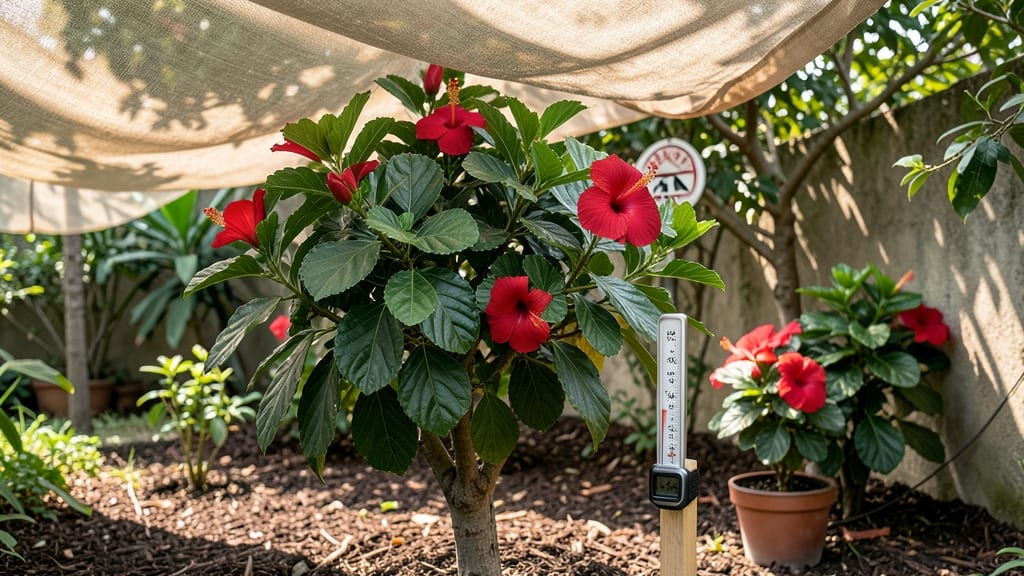
Understanding the hibiscus tree temperature tolerance is key to keeping your 🌺 thriving year-round, whether you're in a frost-free zone or a chilly climate.
If you love hibiscus trees but worry about freezing temperatures ruining your garden, you’re not alone—many gardeners assume these tropical beauties can’t survive cold climates. But the truth is, some hibiscus varieties thrive in chilly conditions with the right care, while others need strategic protection.
From tropical hibiscus that wilt below 50°F to hardy varieties that shrug off 20°F dips, the right choice depends on your zone and a few simple adjustments.
Below, I’ll break down which hibiscus can handle cold snaps, how to shield them from frost, and the telltale signs of temperature stress so you can keep your plant blooming beautifully.
You’ll also discover seasonal care tips tailored to your climate, from mulching in fall to bringing potted hibiscus indoors before the first frost. Ready to keep your 🌺 happy no matter the weather?
Cold-hardy hibiscus varieties: which can survive freezing temperatures?
Not all hibiscus trees are tropical divas that wilt at the first frost! While most hibiscus varieties—like the stunning Hibiscus rosa-sinensis—struggle below 20°F (-6.7°C), some hardy cultivars thrive in USDA zones 7-9 with temperatures dipping into the 10-15°F (-12 to -9°C) range.
The key lies in choosing the right species and providing seasonal care. These resilient varieties prove that hibiscus can be a year-round star in cooler climates with minimal fuss.
Hardy hibiscus fall into two main categories: deciduous hardy hibiscus (like Hibiscus moscheutos) and evergreen tropical hibiscus with cold tolerance (such as Hibiscus coccineus). The first group sheds leaves in winter but regrows vigorously in spring, while the latter retains foliage but may need winter protection.
Both groups offer vibrant blooms and low-maintenance growth, making them ideal for gardeners in transitional zones.
If you're in zone 7 or colder, focus on Hibiscus syriacus (rose of Sharon) or Hibiscus moscheutos (swamp hibiscus), which can handle 0°F (-18°C) with proper mulching. For zones 8-9, Hibiscus coccineus (scarlet hibiscus) and Hibiscus acetosella (vinegar weed) offer striking blooms while tolerating 15-20°F (-9 to -6.7°C) dips.
Always check your local microclimate—urban areas may experience 5-10°F warmer nights than rural spots.
🌱 Cold-Hardy Hibiscus Variety Comparison
| Variety | USDA Zone | Min Temp (°F) | Bloom Color | Growth Habit | Winter Care |
|---|---|---|---|---|---|
| Hibiscus moscheutos (Swamp Hibiscus) | 4-9 | -20°F (-29°C) | Pink, white, red | Perennial, 4-8 ft tall | Mulch heavily; prune in spring |
| Hibiscus syriacus (Rose of Sharon) | 5-9 | -20°F (-29°C) | Blue, purple, white | Shrub, 6-12 ft tall | Prune annually; wrap trunk |
| Hibiscus coccineus (Scarlet Hibiscus) | 6-9 | 15°F (-9°C) | Red, pink, yellow | Perennial, 5-8 ft tall | Cut back; mulch roots |
| Hibiscus acetosella (Vinegar Weed) | 7-10 | 20°F (-6.7°C) | Yellow, orange | Perennial, 3-5 ft tall | Containerize; bring indoors |
| Hibiscus syriacus 'Annabel' (Dwarf Rose of Sharon) | 5-9 | -20°F (-29°C) | Pink, white |
How to protect hibiscus trees from frost and freezing temperaturesHibiscus trees may look delicate with their vibrant blooms, but they’re tougher than you think when given the right cold protection. Most hibiscus varieties can’t handle hard freezes below 25°F (-4°C), but with smart strategies, you can shield them from light frost and chilly nights. The key is combining physical protection with proper seasonal care—whether your hibiscus is planted in the ground or tucked into a portable container. Start by understanding your hibiscus’s cold tolerance limits. Tropical hibiscus (like Hibiscus rosa-sinensis) typically die back at 30°F (-1°C), while hardy varieties (such as Hibiscus syriacus) can survive down to 10°F (-12°C). If you’re in USDA zones 7-9, you’ll need to act before temperatures drop below 32°F (0°C). For zones 10 and below, even light frost can damage leaves, so proactive measures are a must. Step-by-Step Guide to Protecting Hibiscus from Frost
For in-ground hibiscus, focus on root protection first. A thick layer of mulch (like pine straw or shredded bark) can raise soil temperatures by 5-10°F. Pair this with a frost cloth draped over the canopy to shield leaves and buds from radiation frost. If you’re expecting a hard freeze (below 25°F), consider wrapping the entire plant in bubble wrap or frost fabric for extra insulation. Potted hibiscus are easier to protect because you can move them indoors or into a garage. Place them near a south-facing window to maximize winter sunlight, but avoid heating vents that can dry out the air. If indoor space is limited, a greenhouse or cold frame works well for short-term frost protection. Just remember to ventilate during the day to prevent humidity buildup, which can lead to fungal diseases. After the frost threat passes, monitor your hibiscus for signs of recovery. New growth should emerge from dormant buds on the trunk or root crown. If you pruned back too aggressively, don’t worry—hibiscus are fast regrowers and will bounce back with proper care. Fertilize lightly in early spring to encourage vigorous blooming once temperatures rise above 50°F (10°C). With these proactive steps, your hibiscus can survive light frost and even brief cold snaps. The key is preparation—don’t wait until the first freeze to act. Start mulching in late fall, prune after winter damage, and keep an eye on weather forecasts so you’re always one step ahead. Your hibiscus will thank you with bold blooms all season long! 🌺 |