
Pruning
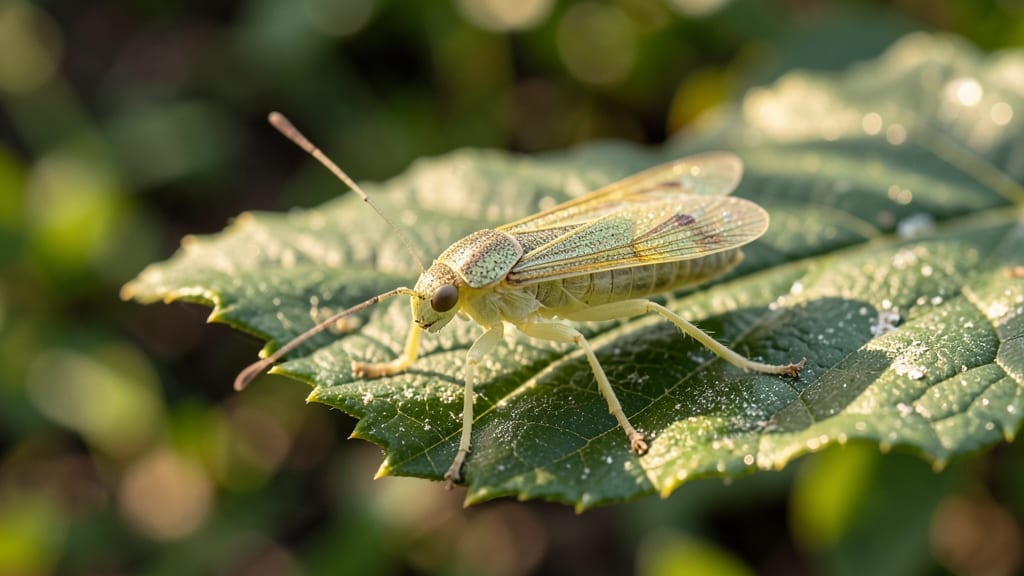
Your hackberry tree’s once-lush leaves now look like lace—skeletons stripped bare by the tiny hackberry tree bugs thriving on its sap. 🌿 The culprits? Hackberry nipple gall, spider mites, or scale insects, all feasting unseen until the damage becomes obvious.
These pests don’t just ruin the look; they weaken your tree over time, leaving it vulnerable to disease and stress.
Here’s the kicker: most of these invaders start small, and by the time you spot the damage—those telltale skeletonized leaves or sticky residue on branches—it’s already been weeks since they moved in.
The good news? Early action with natural pruning, targeted sprays, and a little vigilance can turn things around before the bugs throw a full-blown party in your tree’s canopy.
You’ll learn to spot the signs—tiny bumps, webbing, or black sooty mold—and how to prune infected branches to stop the spread. No harsh chemicals needed unless absolutely necessary; instead, we’ll focus on foolproof organic fixes that work with nature, not against it.
Think of this as a rescue mission for your tree’s health, not a last-ditch effort.
Whether you’re dealing with a single branch or your whole tree looks like it’s been through a war, these strategies will help you reclaim those vibrant green leaves. The key? Act now before the bugs claim another season’s growth. Let’s get your hackberry tree back to its full, thriving self.
Root Causes of Hackberry Bugs
Hackberry trees (Celtis spp.) are a favorite among gardeners for their hardiness and striking foliage—but their leaves often become a buffet for hungry insects. Understanding why these pests target your tree is the first step to reclaiming its health.
Below, we break down the science behind the infestation, from environmental triggers to tree vulnerabilities.
A hackberry tree under stress is like an open invitation for bugs. When trees struggle—whether from drought, nutrient deficiencies, or disease—they produce weaker leaves, which are easier for insects to chew through. Here’s how it happens:
- Nutrient Deficiencies: Low nitrogen or potassium levels make leaves less tough, attracting pests like hackberry nipple gall makers or spotted lanternfly nymphs. A simple soil test can reveal imbalances.
- Drought Stress: Prolonged dry spells reduce sap flow, making leaves drier and more appealing to sap-sucking insects like scale insects or aphids. Deep watering (1–2 inches per week) helps restore vigor.
- Fungal or Bacterial Infections: Diseases like anthracnose or powdery mildew create entry points for secondary pests. Prune infected branches immediately to limit spread.
💡 Pro Tip: Healthy trees resist pests better. Apply a balanced fertilizer (10-10-10) in early spring and mulch to retain moisture.
Hackberry trees have a few built-in flaws that make them magnetically appealing to bugs:
- Sticky Sap: The tree’s sap is rich in sugars, drawing insects like spotted lanternflies and hackberry psyllids. These pests lay eggs in bark crevices, ensuring a fresh supply of sap for their offspring.
- Soft New Growth: Young leaves in spring are tender and nutrient-dense, making them a prime target for leaf skeletonizers (like the hackberry clearwing moth) and Japanese beetles.
- Galls and Growths: Some bugs, like the hackberry nipple gall midge, induce abnormal growths (galls) on leaves. These structures provide shelter and food, encouraging more infestations.
🔍 Key Insight: If your tree is already infested, the bugs are likely there because they’ve found a reliable food source. Pruning to remove heavily damaged leaves can disrupt their life cycle.
Not all bug outbreaks are random—climate and habitat play a huge role. Here’s how external factors set the stage:
| Factor | How It Attracts Bugs | Solution |
|---|---|---|
| 🌞 Warm, Humid Summers | Ideal conditions for spotted lanternflies and aphids to thrive. Eggs hatch faster in heat. | Install yellow sticky traps to monitor populations. |
| 🌳 Dense Tree Canopies | Reduced airflow traps moisture, creating a breeding ground for scale insects. | Thin out branches to improve airflow during pruning. |
| 🌿 Nearby Weedy Areas | Alternate host plants (like grapevines or rose bushes) can harbor lanternfly eggs. | Remove weeds within 10 feet of the tree. |
⚠️ Warning: If your region has seen recent spotted lanternfly sightings, act fast—these pests spread rapidly and can devastate hackberry trees in a single season.
Many hackberry pests have synchronized life cycles that align with the tree’s growth patterns. For example:
- Hackberry Psyllids: Eggs hatch in spring as buds swell, and nymphs feed on new leaves, causing curling and distortion.
- Leaf Skeletonizers: Adult moths emerge in late summer, laying eggs that overwinter on bark, then hatch the following spring.
- Scale Insects: They reproduce asexually, multiplying exponentially in warm months when leaves are most vulnerable.
🎯 Strategic Timing: Prune in late winter or early spring (before buds break) to remove egg-laden branches and disrupt the cycle.
Natural Ways to Revive Your Tree
Dealing with hackberry tree bugs can feel like a losing battle, but with the right approach, you can restore your tree’s health and prevent future damage. Below are practical, eco-friendly solutions tailored to common causes of leaf skeletonization and bug infestations.
Whether it’s aphids, spider mites, or scale insects, these fixes will help your tree bounce back—without harsh chemicals.
Cause: These tiny pests suck sap, leaving behind sticky residue (honeydew) and weakening leaves. Fix:
- 💦 Spray with Soapy Water – Mix 1 tbsp mild dish soap (like Castile) with 1 quart of water. Spray directly on infested areas (especially undersides of leaves) in the early morning or evening to avoid harming beneficial insects. Repeat every 3–5 days until pests disappear.
- 🌿 Neem Oil Treatment – Combine 1 tbsp neem oil, 1 tsp mild soap, and 1 quart of water. Shake well and spray thoroughly, covering all leaf surfaces. Neem oil disrupts their life cycle and deters future infestations. Apply once a week for 2–3 weeks.
- 🕷️ Introduce Natural Predators – Ladybugs and lacewings love aphids! Purchase them online or attract them by planting dill, fennel, or marigolds nearby.
💡 Prevention Tip: Keep your tree well-watered—stressed trees attract more pests. Prune succulent new growth in early spring to remove egg-laying spots.
Cause: These armored pests latch onto branches, draining nutrients and causing leaf drop. Fix:
- 🧼 Scrub with Rubbing Alcohol – Dip a soft cloth or cotton swab in 70% isopropyl alcohol and wipe off visible scale insects. This kills them on contact without harming the tree. Do this on a dry, wind-free day to avoid spreading residue.
- 🪴 Horticultural Oil Spray – Use dormant oil (applied in late fall or early spring) or summer oil (for active infestations). Follow label instructions—cover the tree completely, focusing on trunk and branches. Reapply every 2 weeks until no more scales appear.
- 🪒 Prune Infested Branches – Cut and dispose of heavily infested limbs (don’t compost them!). Sterilize pruners with rubbing alcohol between cuts to prevent spreading.
🔥 Pro Tip: Scale insects hate movement—gently knocking branches with a broom can dislodge some before treating.
Cause: These tiny arachnids thrive in dry, hot conditions, spinning webs and causing stippled leaves. Fix:
- 💧 Increase Humidity – Spider mites dread moisture. Mist your tree daily (especially in summer) or install a drip irrigation system to keep soil consistently damp.
- 🕸️ Yellow Sticky Traps – Hang yellow cards coated in petroleum jelly near the tree. Spider mites get stuck trying to crawl across, reducing their numbers. Check traps weekly and replace as needed.
- 🌿 Companion Planting – Surround your hackberry with herbs like basil or thyme—their strong scents repel mites.
✨ Prevention Tip: Avoid over-fertilizing—excess nitrogen attracts mites. Instead, use compost or balanced organic fertilizer.
Even after pests are gone, your tree may need a boost to recover. Try these steps: - 🍃 Mulch Properly – Apply 2–3 inches of organic mulch (like wood chips) around the base of the tree, keeping it 6 inches away from the trunk.
This retains moisture, regulates soil temp, and suppresses weeds that harbor pests. - 💧 Deep Watering – Water slowly and deeply (1–2 inches per week) to encourage strong root growth.
Use a soaker hose for even distribution. - 🌿 Foliar Feed – In early spring, spray seaweed extract or fish emulsion on leaves to restore nutrients lost to pests. This strengthens natural defenses.
🎯 Long-Term Strategy: Prune in late winter (before buds swell) to remove weak, diseased, or pest-prone branches. This improves airflow, reducing future infestations.
By combining targeted treatments with preventive care, your hackberry tree can regain its lush foliage and thrive for years. 🌿🔥 Start with the fixes that match your tree’s current issues, and monitor progress weekly—you’ll see improvement faster than you think!
Frequently asked questions
What do those small bumps on my hackberry leaves actually mean?
Those tiny bumps are likely hackberry nipple galls, caused by midges that lay eggs in leaf tissue. The galls provide shelter for the larvae, and while they don’t kill the tree, they weaken leaves. Look for clusters of 1/8-inch raised bumps—this confirms the infestation. Prune affected leaves in early spring before eggs hatch.
Is it too late to save my tree if the leaves are already skeletonized?
Not necessarily! While severe damage is visible, the tree can still recover with immediate action. Focus on removing heavily infested branches first, then apply neem oil or soapy water sprays. New growth in spring will help restore the canopy—just be vigilant about monitoring for returning pests.
How do I tell if sticky residue on my tree is from bugs or just sap?
Bug-related residue (honeydew) is thick, syrupy, and often blackens into sooty mold—a velvety black coating on leaves. Pure sap is usually clear and watery. If you see both, you’re dealing with sap-sucking pests like aphids or scale insects. Wipe leaves with a damp cloth to remove residue before treating.
Are there any bugs that actually help control hackberry pests?
Ladybugs, lacewings, and parasitic wasps are natural predators of hackberry pests. Plant companion flowers like dill or marigolds nearby to attract them. You can also purchase beneficial insects online—just release them in the evening when they’re most active.
Why do some branches get infested while others stay healthy?
Infestations often start in shady, dense areas where airflow is poor—ideal breeding grounds for pests. Sunlit branches usually stay healthier because they dry faster. Prune to improve light penetration and thin out crowded growth to break the pest cycle.