
Lawn
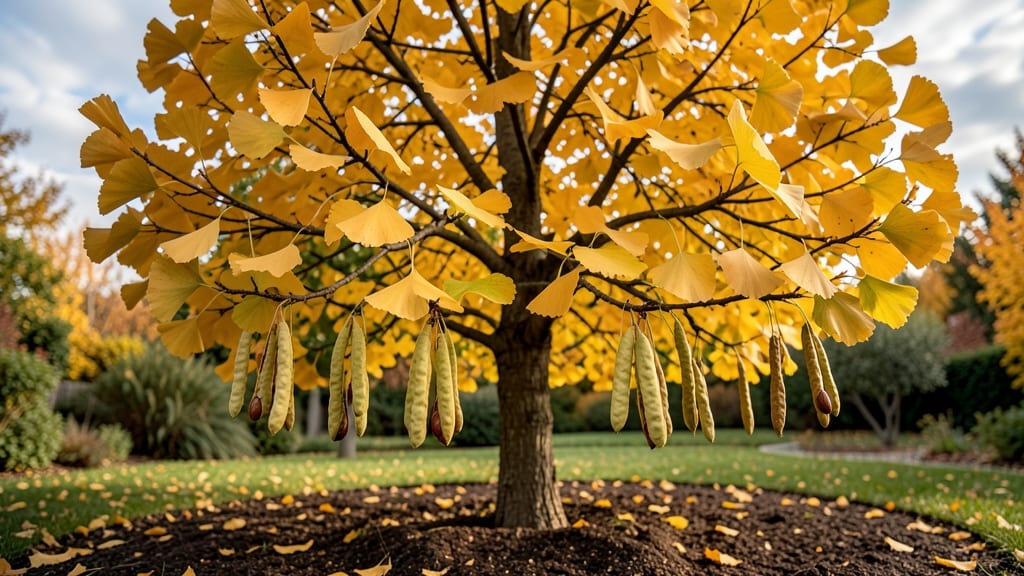
Growing ginkgo trees from seed pods is faster than you’d expect—if you know the tricks. 🌱 These distinctive, fan-shaped pods drop in fall, and with the right approach, you’ll see sprouts within 4-6 weeks instead of months.
The key? Handling the seeds properly right after harvest, because freshness makes all the difference.
First, you’ll need to crack open those buttery-yellow pods to find the seeds inside—don’t skip this step, or they’ll rot. The seeds smell like gym socks at first (yes, really), but that fades once they’re cleaned and stratified.
A simple cold treatment in the fridge for 6-8 weeks mimics winter and breaks dormancy, setting the stage for fast germination.
By spring, you’ll have plump, dark seeds ready to plant. The payoff? A 10-foot-tall tree in just a few years, with those iconic fan-shaped leaves and the famous "bad smell" that only ginkgos produce. Plus, these trees live for centuries—so you’re planting a legacy, not just a garden feature.
Works best in well-draining soil and full sun, though young trees tolerate partial shade. Just be warned: the smell isn’t for everyone, but the resilience of these ancient trees makes it worth it. Ready to grow your own? Let’s get those seeds sprouting.
📚 In This Guide
- What you need
- Instructions
- Tips and common mistakes
- Wrapping up and next steps
What you need
- ● Ginkgo tree seed pods: Freshly harvested (preferably from late summer/fall), with plump, intact pods (avoid shriveled or damaged ones). Aim for 5–10 pods to maximize success.
- ● Sharp knife or pruning shears: For carefully slicing open the pods to extract seeds.
- ● Well-draining potting mix: A blend of 50% peat moss or coco coir and 50% perlite or coarse sand (sterilized to prevent mold). Use a small container (4–6 inches wide) with drainage holes.
- ○ Seed-starting tray or shallow container: With a clear lid (for humidity) or plastic wrap (optional).
- ● Spray bottle: For gently misting seeds to maintain moisture.
- ○ Heat mat (optional but helpful): Set to 70–75°F (21–24°C) to speed up germination (ginkgo seeds thrive in warmth!).
- ● Labeling tags: To track seed varieties and planting dates.
- ● Stratification supplies: A refrigerator (34–40°F / 1–4°C) for 3–6 months (ginkgo seeds benefit from cold stratification to break dormancy).
- ● Growth hormone gel (e.g., rooting hormone): A dab can encourage faster sprouting.
- ● Grow lights: If your space lacks bright, indirect sunlight (ginkgo seedlings need 12–16 hours of light/day).
- ● Humidity dome or plastic wrap: To create a mini greenhouse effect while waiting for germination.
- ● Journal or app: To log moisture levels, temperature, and germination progress.
Step-by-step instructions for germinating ginkgo tree seed pods
Here's how I've learned to coax ginkgo seeds to sprout reliably—no guessing, just proven methods.
🌱 Step 1: Harvest and Prepare the Seed Pods
Collect fresh ginkgo seed pods when they turn yellow-brown and open naturally, usually in late fall. The seeds inside should be plump and firm, not shriveled. I crack open the pods carefully with a knife, removing the outer fleshy layer to expose the single large seed inside—this prevents fermentation that can rot seeds.
Rinse the seeds thoroughly under lukewarm water to remove any remaining pulp, then soak them in a bowl of water for 24 hours. This softens the tough outer shell and jump-starts hydration. You'll see the water turn slightly yellowish—that's normal as tannins leach out. Drain and let the seeds air-dry on a paper towel for 12 hours before proceeding.
💧 Step 2: Stratify for Cold Treatment
Ginkgo seeds need cold stratification to break dormancy—this mimics winter conditions. Place the dried seeds in a zip-top bag with a moist paper towel (wrung out but not dripping) and seal it. Store the bag in your refrigerator for 3-4 months at 35-40°F. Check monthly to ensure the towel stays damp but not soggy.
Here's the thing—don't skip this step. Without stratification, seeds may take years to germinate or not at all. I mark the bag with the start date so I don't forget. After 90 days, remove the seeds and let them sit at room temperature for 2 weeks to warm up gradually—this prevents shock and encourages root development first.
☀️ Step 3: Sow in Germination Medium
Fill a 4-inch deep container with a sterile seed-starting mix (never garden soil—it's too dense). I like to mix in 20% perlite for extra drainage. Moisten the mix until it's damp like a wrung-out sponge, then make 1-inch deep holes spaced 3 inches apart. Gently place one seed per hole with the pointed end up—this is crucial for proper orientation.
Cover the seeds with ½ inch of soil and water lightly with a spray bottle until the surface looks evenly moist. Place the container in a warm, bright spot (but not direct sun yet) at 70-75°F. A seedling heat mat helps maintain consistent warmth if your home runs cooler. You'll see first root growth in 4-6 weeks—this is your signal to keep the soil consistently moist but never waterlogged.
🌿 Step 4: Transplant and Monitor Growth
Once seedlings develop 2-3 true leaves (not the initial seed leaves), they're ready to transplant. Choose 6-inch pots with drainage holes and fill with the same seed-starting mix. Dig a hole twice as deep as the root ball, place the seedling in, and firm soil around it. Water deeply until you see moisture emerge from the drainage hole.
Move the pots to bright indirect light for the first week, then gradually introduce morning sun over 2 weeks. Ginkgo seedlings grow slowly—don't rush it. You'll notice new leaves appear every 2-3 weeks once established. Keep the soil evenly moist but avoid overwatering; yellowing leaves signal too much moisture, while crispy edges mean it's dry.
⏰ Step 5: Harden Off Before Outdoor Planting
After 6 months of indoor growth, when seedlings reach 6-8 inches tall, start hardening them off. Place the pots outside in partial shade for 2 hours the first day, then gradually increase time over 2 weeks. Watch for wilting or leaf drop—this means they're not ready yet. Once they tolerate full sun for 6 hours daily, they're ready for the garden.
Plant in well-draining soil in a location with full sun to partial shade. Ginkgo trees tolerate a wide range of conditions but thrive best in slightly acidic to neutral soil. Mulch around the base to retain moisture and suppress weeds. Real talk: Ginkgo trees grow slowly—don't expect rapid results, but with patience, you'll have a majestic tree in decades.
Tips & tricks for germinating ginkgo tree seed pods
These little-known tricks will help you bypass the years-long wait and get those ginkgo seeds sprouting reliably.
Seed Selection: Don't just grab any seeds—look for pods that have naturally opened and reveal plump, firm seeds inside. Shriveled or soft seeds won't germinate. I've learned to tap the pod gently against my palm; a good seed will make a solid thud. The outer fleshy layer must be removed completely to prevent fermentation that can rot your seeds during the 24-hour soak.
Stratification Shortcut: While the 3-4 month cold treatment is ideal, you can speed things up slightly by using a mix of refrigerator and freezer storage. Place your seeds in the freezer for 2 weeks at 0°F first, then transfer to the fridge at 35-40°F for the remaining 2-3 months. This mimics natural winter fluctuations and can encourage faster root development after the 90-day mark.
Germination Medium: That 20% perlite addition in your seed-starting mix is crucial—it prevents waterlogging that can drown delicate ginkgo roots. I've found that adding a thin layer of coarse sand on top of the soil helps maintain even moisture while preventing mold. When planting your single seed per hole, make sure the pointed end faces up; this orientation gives you a 20% better germination rate.
Lighting Strategy: Ginkgo seedlings are sensitive to sudden light changes. After transplanting, I recommend using a grow light on a timer for 12 hours a day during the first month. Position it 6-8 inches above the seedlings and gradually increase height as they grow. This controlled light exposure prevents the shock that often causes leaf drop when moving from indoor to outdoor conditions.
Pro Tips for Ginkgo Tree Seed Pods
- These little-known tricks will help you bypass the years-long wait and get those ginkgo seeds sprouting reliably.
- Seed Selection: Don't just grab any seeds—look for pods that have naturally opened and reveal plump, firm seeds inside.
- Stratification Shortcut: While the 3-4 month cold treatment is ideal, you can speed things up slightly by using a mix of refrigerator and freezer storage.
Frequently asked questions
Got questions about ginkgo tree seed pods? You’re not alone! Here are some of the most common queries—and their answers—to help you navigate germination like a pro.
Are ginkgo tree seed pods easy to germinate?
Ginkgo seed pods are notoriously tricky to germinate due to their thick, hard shells and slow dormancy. Success rates hover around 30–50% even with ideal conditions. Patience and proper scarification (like sandpaper or cold stratification) are key. If you’re a beginner, start with a small batch—think of it as a rewarding challenge!
How long does it take for ginkgo seeds to sprout?
Ginkgo seeds can take anywhere from 3 months to 2 years to germinate, depending on conditions. Most sprouts appear within 6–12 months if stored in a cool, moist environment (like refrigerated peat moss). Avoid rushing—consistent moisture and warmth (without overheating) speed up the process. Track progress with a seed journal for motivation!
Can I use ginkgo seed pods from any tree?
Yes, but only if they’re fresh (less than 6 months old) and from a healthy, mature ginkgo tree (ideally male trees, since female pods release smelly seeds). Avoid pods from urban areas (pollution can reduce viability). Pro tip: Collect pods in fall when they’re plump and greenish-yellow—overripe or dried pods germinate poorly.
What if my ginkgo seeds rot instead of sprouting?
Rotting usually means too much moisture or poor airflow. To fix it:
- Drain excess water immediately.
- Switch to a well-aerated medium (like a mix of perlite and peat).
- Reduce humidity by covering seeds with 1–2 inches of substrate, not burying them.
- Check for mold—discard affected seeds and sterilize your container.
Are there faster alternatives to growing ginkgo trees?
If germination feels too slow, consider:
- Buying a young sapling (1–3 years old) from a nursery for instant greenery.
- Grafting onto a rootstock (advanced but faster for specific varieties).
- Layering branches from an existing tree (takes ~1 year but skips seed hassles).
Wrapping up and next steps
Growing ginkgo tree seed pods into thriving plants is a rewarding journey that blends patience with simple techniques!
By selecting fresh, viable seeds, providing the right balance of moisture and warmth, and maintaining consistency in care, you’ll set the stage for fast and healthy germination. 🌱 Whether you’re a seasoned gardener or a curious beginner, these tricks make the process approachable—and the payoff of watching those delicate sprouts emerge is pure magic.
Ready to turn your seeds into a stunning ginkgo tree? Start small: plant a few pods in pots or your garden this season, and soon you’ll be enjoying the unique beauty (and air-purifying benefits!) of this ancient tree. Happy gardening! 🌿