
Container Gardens
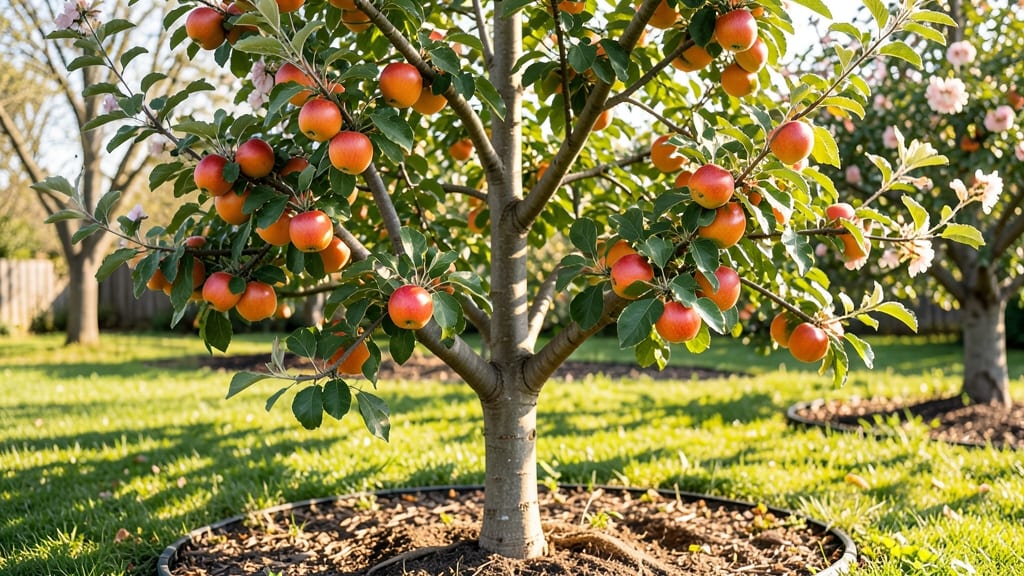
Growing Gala apple trees works best in USDA hardiness zones 4 through 8, where they handle winter temperatures from -30°F to 20°F (-34°C to -6°C). For best results, plant them in early spring after the last frost date, choosing a sunny spot with well-draining soil.
Gala apple trees are cold-hardy but need specific conditions to thrive. 🌳 The USDA zones 4-8 range ensures they survive winter dormancy, with zone 4 trees developing thicker bark over time.
In colder areas, mulching helps protect roots from extreme cold, while southern zones may need shade during peak summer heat. Planting timing varies by region—northern climates benefit from early spring planting, while southern areas can extend planting into late winter.
What sets Gala varieties apart is their adaptability to chilling hours—typically 400-800 hours below 45°F (7°C) per year. This means they'll produce fruit reliably in both cooler and milder climates within their zone range.
For container growing, select dwarf varieties that can handle your specific zone's temperature swings with proper winter protection.
💡 In This Article
- Gala Apple Tree Cold Hardiness Explained
- Best Planting Months for Gala Apple Trees by Region
Gala apple tree cold hardiness explained
Gala apple trees survive harsh winters through a biological process called endodormancy, where the tree's metabolic activity slows dramatically. This adaptation allows them to withstand temperatures down to -30°F (-34°C) in zone 4, though younger trees may need protection during their first few winters.
The tree's cambium layer—located just beneath the bark—produces thicker cell walls in response to cold, creating a natural insulation barrier. 🌡️ In zone 8, where winter lows rarely drop below 20°F (-6°C), Gala trees still enter dormancy but require fewer protective measures.
The tree's cold tolerance also depends on its chilling hour requirements, typically between 400-800 hours below 45°F (7°C) annually. This chilling period triggers flowering in spring, with zone 4 varieties often needing the full 800 hours while zone 7 trees may thrive with 500-600 hours.
Interestingly, Gala trees in zone 5 sometimes produce more consistent fruit yields because they receive adequate chilling without extreme temperature fluctuations that can stress zone 4 trees.
The tree's root system also plays a role—deeper roots in zone 6 can access moisture from 3-5 feet below ground, providing stability during freeze-thaw cycles.
Zone variations impact fruit production in subtle but important ways. In zone 4, Gala trees develop denser wood and smaller leaves to reduce water loss, which affects fruit size—apples may be slightly smaller but more concentrated in flavor.
Meanwhile, zone 8 trees produce larger fruit due to longer growing seasons, though they're more vulnerable to late spring frosts that can damage blossoms. 🍏 The tree's ability to photosynthesize efficiently in cooler climates (like zone 5) allows it to allocate more energy to fruit development, resulting in sweeter, firmer apples compared to those grown in warmer zones.
One critical factor often overlooked is winter desiccation, where dry winter winds can dehydrate tree tissues even when temperatures are above freezing. This is why zone 6 growers should apply 2-3 inches of mulch around the base of the tree—it helps retain soil moisture and insulate roots.
In contrast, zone 7's milder winters reduce this risk, but growers must still monitor for alternaria leaf spot, a fungal disease that thrives in warm, wet springs.
The tree's natural defenses, like waxy leaf cuticles, provide some protection, but proper pruning in late winter (before buds swell) enhances airflow and reduces disease pressure.
For container-growing Galas, cold hardiness becomes even more critical. Dwarf varieties in zone 5 containers need winter protection, such as wrapping the pot in bubble wrap or moving it to a sheltered location when temperatures drop below 15°F (-9°C).
The container's soil freezes more quickly than in-ground soil, creating additional stress. 🌱 In zone 6, containers can remain outdoors with proper insulation, but the root ball must be elevated to prevent waterlogging during spring thaws.
This highlights why container growers should choose cold-hardy rootstocks like M.9 or B.9, which have been bred to withstand temperature swings better than standard varieties.