
Pruning
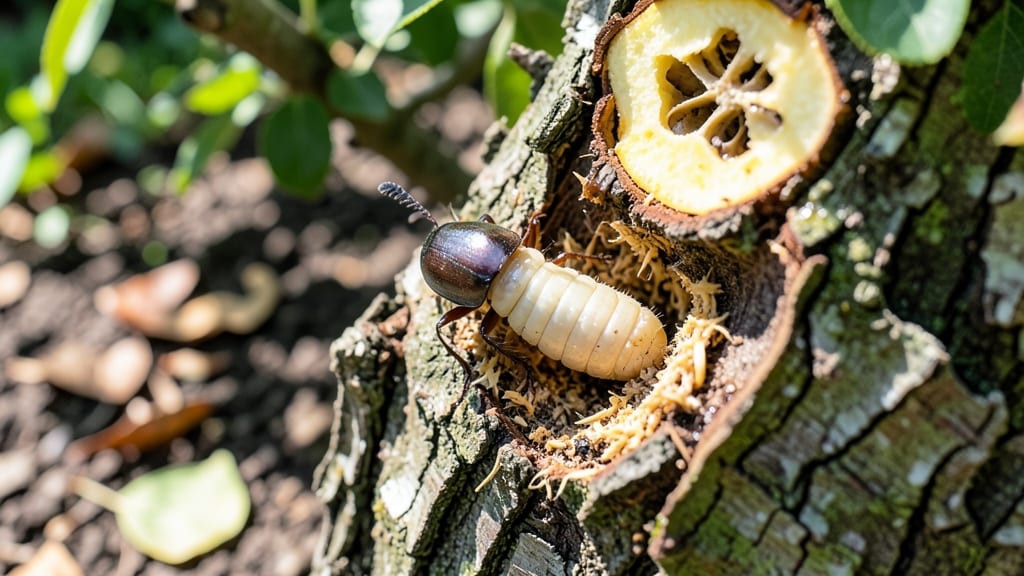
Finding sawdust-like frass at the base of your peach tree is a surefire sign fruit tree borers have moved in. 🌳 These silent destroyers chew through bark and sapwood, turning healthy branches into hollow husks, and the drill-out method is the most effective organic cure—no chemicals required.
The key is timing: tackle infestations in late winter or early spring when borers are dormant. You'll need a sharp screwdriver, some rubbing alcohol, and a little patience.
The process takes about 20 minutes per branch, but it saves your tree from the slow decline that comes when borers go unchecked. What you end up with is a tree that regains its vigor, with new growth pushing out within 4-6 weeks.
The sawdust piles disappear, leaves stay green, and the tree starts investing energy in fruit again instead of fighting off pests. This method works for apples, cherries, plums, and stone fruit trees alike. Here's exactly how to do it without harming the tree or your sanity.
The Hidden Triggers Behind Tree Damage
Fruit tree borers don’t just appear out of nowhere—they’re drawn to specific conditions that make your trees vulnerable. Understanding these triggers is the first step to stopping an infestation before it starts. Here’s why your trees might be becoming a buffet for these destructive pests.
Borers target trees that are already struggling. When a tree’s defenses are down—whether from disease, poor nutrition, or stress—it becomes an easy target. Here’s how it happens:
- Nutrient Deficiencies: Trees lacking essential nutrients (like nitrogen, potassium, or calcium) produce weak, brittle wood. Borers detect these deficiencies and lay eggs in the soft, nutrient-rich areas.
- Disease or Fungal Infections: Fungi like Armillaria (honey fungus) or bacterial infections weaken the tree’s vascular system. Borers exploit these compromised areas to burrow in.
- Physical Stress: Drought, root damage, or improper pruning disrupt a tree’s ability to heal. Stress signals attract borers, as the tree can no longer effectively seal wounds.
💡 Pro Tip: Regularly inspect your trees for signs of stress—wilting leaves, oozing sap, or unusual bark cracks. Addressing these early can deter borers before they strike.
Borers have an uncanny ability to detect fresh injuries on trees. Any cut, break, or damage exposes the tree’s inner layers, making it irresistible to these pests. Here’s why:
- Pruning Cuts: Improper pruning leaves jagged edges or large wounds that don’t heal quickly. Borers detect the exposed sapwood and lay eggs within days.
- Storm or Hail Damage: Sudden trauma from weather creates entry points. Borers capitalize on these opportunities, especially if the tree is already weakened.
- Animal or Machinery Scars: Even minor damage from lawnmowers, wildlife, or tools can attract borers. The tree’s natural resins (which repel pests) can’t fully protect compromised areas.
✨ Key Insight: Always prune during the dormant season (late winter/early spring) to allow wounds to heal before borers become active. Seal larger cuts with organic tree wound paint if necessary.
Borers aren’t just after the tree—they’re also lured by the fruit. Overripe, rotting, or fallen fruit on the ground releases volatile organic compounds (VOCs) that attract adult borers. Here’s how it plays out:
- Fermenting Fruit: As fruit decomposes, it emits odors similar to those of a stressed tree. Adult borers mistake this for a weakened host and lay eggs nearby.
- Harvest Delays: Leaving fruit on the tree past its prime creates a double threat: it attracts borers and provides a food source for their larvae.
- Ground Cover Debris: Fallen leaves, twigs, or fruit under the tree create humid microclimates—ideal breeding grounds for borer larvae.
🔥 Action Step: Harvest fruit promptly and remove all debris from the base of the tree. Mulch with wood chips (not dense layers) to improve airflow and deter borers.
Borers thrive in specific environmental conditions. Heat and humidity create the perfect storm for their lifecycle. Here’s why:
| Factor | Why It Matters |
|---|---|
| High Temperatures (75–90°F) | Adult borers are most active during warm spells, increasing egg-laying. Larvae develop faster in heat, accelerating damage. |
| High Humidity | Moisture keeps eggs and larvae from drying out. It also softens bark, making it easier for borers to penetrate. |
| Rain or Irrigation Overload | Excess water weakens tree roots and creates soggy soil—ideal for fungal growth, which further stresses the tree. |
🌡️ Climate Hack: In hot, humid climates, monitor trees closely during peak borer season (late spring to early summer). Reduce overhead watering to keep foliage dry.
Organic Fixes for Wood-Boring Invaders
Now that you understand why fruit tree borers wreak havoc, it’s time to roll up your sleeves and take action! These pests are tough, but with the right organic methods, you can save your tree and restore its health.
Below, we’ve mapped out practical, step-by-step solutions tailored to the root causes—from early signs to severe infestations. Plus, we’ll share prevention tips to keep borers from crashing your orchard again.
Cause: Tiny holes in bark, sawdust-like frass, or wilting leaves signal borer activity. Fix:
- Inspect regularly (every 2–4 weeks during growing season) for exit holes or sap oozing from cracks.
- Shake branches over a white sheet—if frass (borer poop) rains down, you’ve got an infestation.
- Prune infected branches immediately (sterilize tools with rubbing alcohol between cuts 🔪).
💡 Pro Tip: Borers thrive in stressed trees. Water deeply during droughts and mulch to retain moisture—healthy trees fight off pests better!
Cause: Larvae tunneling deep into wood (the classic borer crime). Fix:
- Wait for warm, dry days (borers are sluggish in cold weather).
- Drill into the holes (use a 1/8-inch bit) to reach larvae. No chemicals needed—just manual removal!
- Tools: Cordless drill, wooden skewers (for small holes), or a borer hook tool (DIY: bend a wire into a hook).
- Squish or flush out larvae with soapy water (1 tsp dish soap + 1 gallon water).
- Seal entry holes with organic putty (like Tanglefoot or beeswax-based wood filler).
✨ Prevention: After treatment, apply horticultural oil (neem or food-grade mineral oil) to suffocate remaining eggs.
Cause: Larvae hidden in roots or trunk (hard to reach with drilling). Fix:
- Buy Heterorhabditis bacteriophora (a microscopic worm that paralyzes borer larvae).
- Apply in late spring/early fall when soil temps are 55–85°F.
- Mix with water (follow label rates) and drench the root zone + trunk base.
- Water deeply to help nematodes migrate into tunnels.
🌡️ Critical: Nematodes die in direct sunlight—apply in early morning or evening.
Cause: Adult borers emerging to lay eggs (your next infestation waiting to happen). Fix:
- Hang pheromone traps (like Great Lakes IPM’s Peach Tree Borer Trap) near trees in May–July.
- Replace lures every 4–6 weeks for max effectiveness.
- Check traps weekly—drown caught adults in soapy water (🚫 don’t release them!).
🎯 Bonus: Plant trapping crops like plums or cherries (borers prefer them over your prized fruit trees).
Cause: Weak, neglected trees = borer buffet. Fix:
- Thin fruit in summer to reduce stress on the tree.
- Avoid over-fertilizing with nitrogen (too much = soft, borer-loved wood).
- Encourage natural predators:
- Parasitic wasps (plant dill, fennel, or yarrow to attract them).
Cause: Large tunnels, oozing sap, or tree death imminent. Fix:
- Consult an arborist—some cases require professional drilling or tree removal.
- For dying trees, cut and burn or chip (🚫 don’t compost—larvae survive!).
- Replace the tree with a borer-resistant variety (e.g., peach cultivars like ‘Relenta’).
🔥 Final Reminder: Borers are opportunists—healthy trees + vigilance are your best defense. Start with drill-outs, boost beneficial nematodes, and trap adults before they multiply. Your fruit trees will thank you with years of bountiful harvests!
Frequently asked questions about fruit tree borers
What does fruit tree borer damage actually look like?
Look for small, perfectly round exit holes (about 1/16-inch wide) in the bark, often with tiny piles of sawdust-like frass (borer poop) beneath them. You might also see oozing sap, wilting leaves on one branch, or branches that snap easily when bent. The damage usually appears in late spring or summer when larvae mature.
Can I use chemical pesticides for fruit tree borers?
Chemicals like imidacloprid or permethrin can work, but they often miss larvae deep in the wood and may harm beneficial insects. Organic methods (drill-outs, nematodes, or horticultural oil) are safer for pollinators and the tree itself. If you choose chemicals, apply them in early spring before adults emerge.
How often should I check my trees for borers?
Inspect your fruit trees every 4-6 weeks during the growing season (spring through fall), focusing on new growth and pruning wounds. Pay extra attention after storms, hail, or heavy fruit loads. Early detection is key—borers can kill branches within just 2-3 months if left untreated.
Will woodpeckers really help control borers?
Woodpeckers feast on borer larvae and are nature's pest control. Install woodpecker nest boxes near your orchard or leave some dead trees (snags) standing. You can also attract them by offering suet feeders. Just be patient—it may take a season or two for them to establish their territory.
Can I save a tree with severe borer damage?
It depends on the extent. If more than 30% of the trunk/branches are hollowed out, the tree may not recover. For less severe cases, aggressive treatment (drill-outs + nematodes) can save it. Consult an arborist if you see large tunnels or extensive dieback—they might recommend pruning out dead wood or even removal in worst cases.