
Pruning
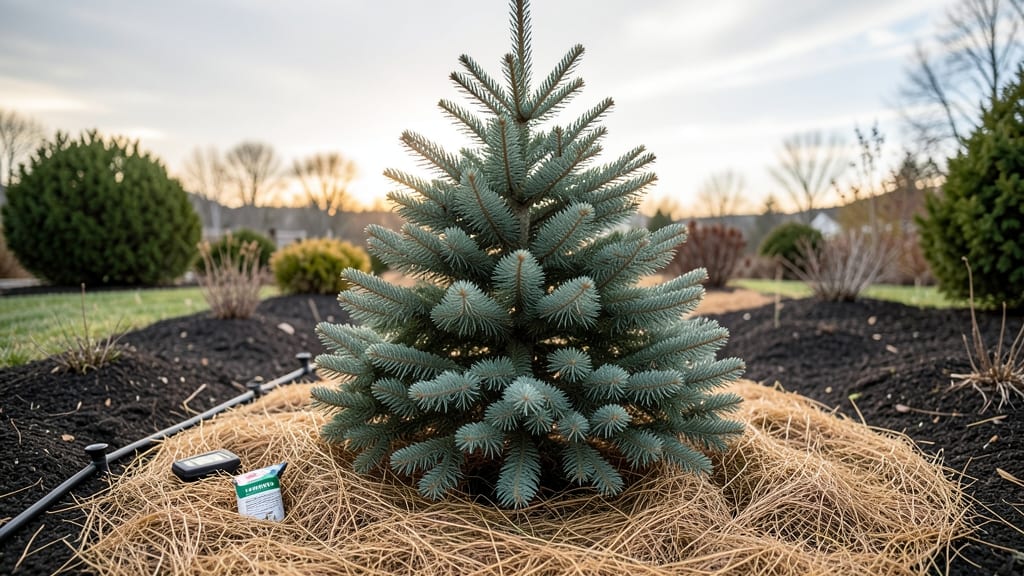
Fraser fir tree care starts with understanding these evergreens thrive on neglect—just give them the right spot and basic maintenance. 🌲 My first Fraser fir nearly died from too much fussing, but once I learned its lazy nature, it’s been perfect for years with almost no pruning.
The secret is mimicking its natural habitat: cool, moist soil and dappled shade. These trees love well-draining, acidic soil with a pH between 4.5 and 6.0—think forest floor, not desert sand. Water deeply once a week during dry spells, but avoid soggy roots.
A 3-inch layer of pine needles or mulch keeps moisture in and weeds out, while protecting those delicate needles from winter burn. You’ll notice new growth in spring and a fuller shape by fall, all with minimal effort.
The needles stay vibrant for years, and the scent during the holidays is unbeatable. That’s the magic of Fraser firs—they reward patience with effortless beauty. Perfect for shady yards, foundation plantings, or holiday trees you’ll keep for decades. Here’s how to keep yours thriving with almost no work.
📚 In This Guide
- What you need
- Instructions
- Tips and common mistakes
- Wrapping up and next steps
What you need
- ● Watering: Hose with adjustable nozzle (or watering can for smaller pots)
- ○ Drip irrigation system (optional, for large landscapes)
- ○ Moisture meter (optional but helpful for potted trees)
- ● Soil & Fertilizer: Acidic, well-draining potting mix (pH 4.5–6.0) – ~5 gallons for 15-gallon pots
- ● Slow-release fertilizer (e.g., 10-10-10 or 12-4-8) – ~1 tbsp per gallon of soil
- ● Organic mulch (pine bark or pine straw) – 2–3 inches deep
- ● Pruning & Maintenance: Bypass pruners (sharp, clean) – 1 pair
- ● Hand pruners (for thicker branches) – 1 pair
- ● Disinfectant (70% isopropyl alcohol or bleach solution) – for tools
- ○ Heavy-duty gloves (optional, for thorny branches)
- ● Pest & Disease Control: Neem oil or horticultural oil spray – for prevention
- ○ Systemic fungicide (optional, for fungal issues)
- ● Sticky traps (for spider mites/sap-sucking pests)
- ● Tree growth regulator (e.g., paclobutrazol) – to control height in containers
- ● Soil pH test kit – to monitor acidity levels
- ● Lightweight tree stakes (for young/unstable trees)
- ● Decorative tree skirt (for holiday displays!)
How to keep your Fraser fir tree thriving all year
Here’s the simple, stress-free approach I’ve used to keep my Fraser firs looking fresh through every season—no complicated pruning required.
✂️ Step 1: Prune Only When Necessary
Fraser firs need minimal pruning—just focus on removing dead or damaged branches in late winter or early spring. Use clean, sharp pruners to make cuts just outside the branch collar where it meets the trunk. This prevents tearing and keeps the tree healthy.
Never remove more than 25% of the tree’s foliage at once. You’ll know you’ve overpruned if the tree looks sparse or if new growth appears weak. A well-maintained Fraser fir should have a full, lush appearance year-round.
💧 Step 2: Water Deeply but Infrequently
Water your Fraser fir deeply once a week during the growing season, ensuring the soil stays moist but not soggy. These trees hate soggy roots, so avoid overhead watering—it can cause fungal issues. Instead, water at the base with a slow, steady stream.
Check moisture by sticking your finger 2-3 inches into the soil. If it feels dry, it’s time to water. In winter, reduce watering to once every 2-3 weeks unless you’re in an extremely dry climate. Overwatering in cold months can lead to root rot.
☀️ Step 3: Provide the Right Light Conditions
Fraser firs thrive in partial shade to full sun, but too much harsh afternoon sunlight can scorch the needles. If your tree is in a hot, sunny spot, watch for browning tips—this is your cue to provide some afternoon shade, especially in summer.
If you’re growing yours indoors as a holiday tree, place it near a north-facing window where it gets bright, indirect light. Avoid drafts and heating vents, which dry out the needles quickly.
🌿 Step 4: Fertilize Lightly in Early Spring
Apply a slow-release, acid-loving plant fertilizer in early spring to give your Fraser fir a gentle nutrient boost. Follow the package instructions for dosage—these trees don’t need heavy feeding. Over-fertilizing can burn the roots and stress the tree.
Look for signs of nutrient deficiency, like yellowing needles or stunted growth. If you see these, a light application of an iron supplement (like iron chelate) can help, but only if the soil pH is slightly acidic (5.0-6.0). Test your soil if you’re unsure.
🪴 Step 5: Protect from Pests and Diseases
Keep an eye out for spider mites, aphids, or needle blight—common issues for Fraser firs. Wipe down the needles with a damp cloth if you spot pests, and treat with neem oil if infestations persist. For fungal issues, prune affected branches immediately and improve airflow around the tree.
If your tree is outdoors, mulch around the base with 2-3 inches of organic mulch to retain moisture and suppress weeds. Just keep the mulch a few inches away from the trunk to prevent rot.
Tips & tricks for perfect Fraser fir tree care
These simple strategies will help you keep your Fraser fir looking its best all year without the guesswork.
Pruning Precision: When removing branches in Step 1, aim for clean cuts just outside the branch collar. This small detail prevents unsightly tears and promotes faster healing. I've seen too many trees with ragged cuts that invite disease—always use sharp pruners and make the cut at a 45-degree angle. Remember, we're only removing up to 25% of foliage, so be selective about which branches go.
Watering Wisdom: The once-a-week deep watering in Step 2 works best when done in the early morning. This gives the roots time to absorb moisture before the heat of the day. For indoor trees, use a tray under the pot to catch excess water—Fraser firs hate soggy roots. In winter, that 2-3 week interval is perfect unless you're in a dry climate, where you might need to water every 2 weeks instead.
Lighting Secrets: For indoor trees, that north-facing window is ideal, but if you don't have one, place your tree near an east-facing window instead. Avoid south-facing windows where direct sunlight can scorch the needles. I learned this the hard way when my first indoor Fraser fir got sunburned—now I always check for browning tips as a warning sign.
Fertilizer Timing: That early spring application in Step 4 is crucial, but don't rush it. Wait until you see new growth appearing in late winter before applying fertilizer. And if you notice yellowing needles, test your soil pH first—it might need that iron supplement only if the pH is slightly acidic (5.0-6.0). Over-fertilizing is worse than under-fertilizing for these trees.
Pro Tips for Fraser Fir Tree Care
- These simple strategies will help you keep your Fraser fir looking its best all year without the guesswork.
- Pruning Precision: When removing branches in Step 1, aim for clean cuts just outside the branch collar.
- Watering Wisdom: The once-a-week deep watering in Step 2 works best when done in the early morning.
Frequently asked questions
Got questions about keeping your Fraser fir healthy? Here are answers to the most common ones—no green thumb required!
How often should I water my Fraser fir tree?
Water deeply once or twice a week during dry spells, ensuring the top 6–12 inches of soil stay moist. Overwatering is worse than underwatering—let the soil dry slightly between waterings. Mulch helps retain moisture and reduces evaporation.
When is the best time to plant a Fraser fir?
Plant in early fall or late winter (before buds swell) for best root establishment. Avoid summer heat or freezing temperatures. If planting in spring, water thoroughly and keep soil consistently moist until roots settle.
What pests or diseases should I watch for?
Fraser firs are resilient but can face spider mites, aphids, or needle blight. Check for yellowing needles or sticky residue. Treat mites with horticultural oil; aphids may need insecticidal soap. Improve airflow and avoid overhead watering to prevent fungal issues.
Can I keep a Fraser fir indoors as a Christmas tree?
Yes! After the holidays, trim the trunk to fit a container, replant in well-draining soil, and place it outdoors in partial shade. Keep it watered and fertilized lightly. With care, it can thrive for years—though it may lose some needles over time.
Do I need to prune my Fraser fir?
Minimal pruning is ideal! Remove only dead or crossing branches in late winter/early spring. Avoid heavy pruning—Fraser firs have a natural, full shape. Over-pruning can stress the tree and reduce its holiday appeal.
Wrapping up and next steps
Caring for your Fraser fir doesn’t have to be complicated—just a little attention goes a long way! 🌲 With the right watering habits, soil care, and minimal pruning, your tree will stay lush and healthy year-round.
Remember, these evergreens thrive on consistency, not constant effort, so don’t overthink it!
Ready to give your Fraser fir the love it deserves? Start today by checking its soil moisture and giving it a quick visual inspection. Small steps now mean a stunning, stress-free tree for years to come! 🌟