
Pruning
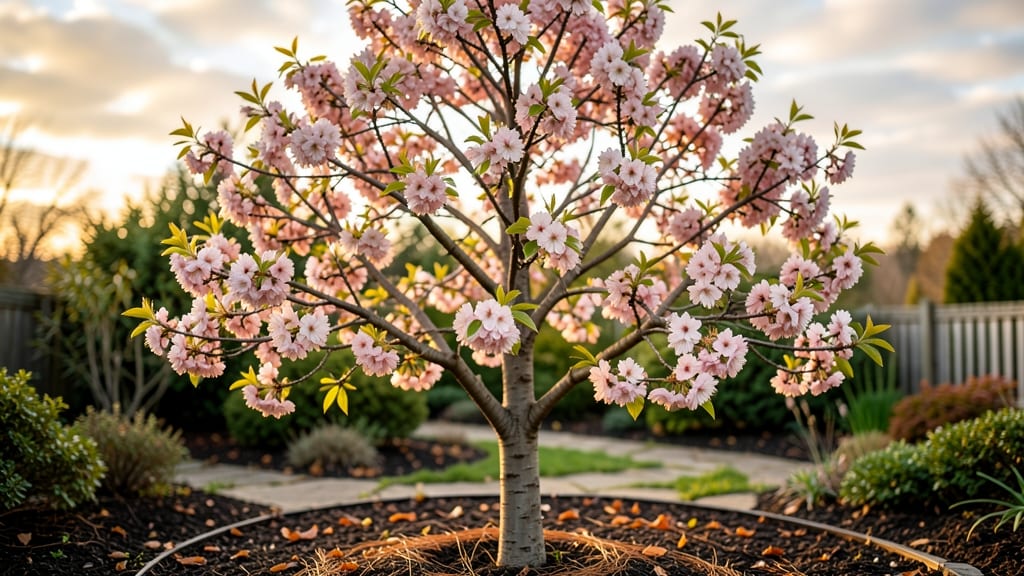
The flowering pear tree size will reach 20-30 feet tall with a 15-25 foot spread—unless you prune it regularly. 🌳 I planted mine near my patio, and within five years, it became a stunning focal point without crowding the space.
The key to managing its size lies in strategic pruning during dormancy, which keeps the canopy compact while maintaining those showstopping spring blooms. This tree grows 2-3 feet per year, so spacing matters: plant it 15-20 feet from structures and other trees to avoid future conflicts.
Poor soil or drought can stunt growth, while rich, well-drained soil encourages steady expansion. My tree thrives in full sun, but even partial shade won’t stop it from flowering—just expect slightly smaller blooms. With proper pruning, you can shape it into a smaller, more manageable tree while preserving its beauty.
I focus on removing water sprouts and thinning crowded branches to improve airflow and light penetration. The result? A tree that fits your landscape perfectly without sacrificing its dramatic spring display.
Whether you’re planting near a sidewalk, foundation, or other plants, this guide ensures your flowering pear stays controlled and stunning for decades. Let’s get pruning!
📚 In This Guide
- What you need
- Instructions
- Tips and common mistakes
- Wrapping up and next steps
What you need
- ● Pruning shears: Bypass pruners (for cuts up to ½ inch thick) – 1 pair (look for ergonomic, stainless-steel blades for clean cuts).
- ● Loppers: For branches ½ to 1½ inches thick – 1 pair (choose ratcheting loppers for ease).
- ● Pruning saw: For thicker branches (1½+ inches) – 1 saw (bow or folding saw with sharp teeth).
- ● Gloves: Heavy-duty gardening gloves (cut-resistant) – 1 pair (protects from thorns and sap).
- ● Disinfectant: 70% isopropyl alcohol or pruning sealant – small bottle (prevents disease spread).
- ● Tarp or drop cloth: Medium-sized (4’x6’) – 1 (to catch debris).
- ● Extension pole: For high branches (10–15 ft) – 1 (saves time and effort).
- ● Ladder: Sturdy, non-slip – 1 (if tree exceeds 8 ft tall).
- ● Marking spray: Non-toxic paint or chalk – small bottle (to outline cuts before pruning).
- ● Safety glasses: – 1 pair (protects from debris).
- ○ Tree wound dressing: (Optional) – small tube (only use if tree has large wounds; otherwise, let it heal naturally!).
- ● Know your tree’s mature size (most flowering pears reach 20–30 ft tall/wide; dwarf varieties stay under 15 ft).
- ● Choose the right time to prune: Late winter/early spring (before buds swell) or immediately after flowering.
- ● Check local weather forecasts—avoid pruning during wet or windy conditions.
- ● Have a clear goal for your tree’s shape (e.g., compact canopy, open center, or formal hedge).
Flowering pear tree size: pruning guide for compact canopy growth
Here’s how to shape a flowering pear into a manageable, ornamental specimen while preserving its stunning spring blooms.
✂️ Step 1: Assess the Tree’s Current Structure and Growth Habits
Start by examining your flowering pear’s existing branches—look for the central leader (main upward-growing stem) and any suckers (vigorous shoots at the base). Flowering pears naturally grow 20-30 feet tall if left unpruned, but you’ll want to limit height to 12-15 feet for easier maintenance. Use a pruning saw for thick branches over 2 inches in diameter and bypass pruners for thinner growth.
Identify water sprouts (fast-growing vertical shoots) and dead or crossing branches—these compete for energy and should be removed first. The goal is to create an open vase shape that allows light penetration to the center, which encourages more blooms. Mark branches to remove with twist ties before cutting to avoid confusion mid-prune.
✂️ Step 2: Remove Problematic Branches First
Begin with dead, diseased, or damaged wood—cut these back to the collar (the swollen area where the branch meets the trunk). Next, tackle crossing branches (where two limbs rub together), removing the weaker of the two. For water sprouts, cut them back to a bud facing outward on a stronger branch to redirect growth. Avoid leaving stubs—always cut just outside the branch collar to prevent decay.
If your tree has too many vertical branches, thin them out to one per foot of trunk diameter. This opens the canopy and reduces weight stress. Flowering pears bloom on old wood, so avoid heavy pruning after mid-summer—you’ll sacrifice next year’s flowers. The best time to prune is late winter or early spring, just before buds swell but before new growth begins.
✂️ Step 3: Shape the Canopy for Balance and Airflow
Step back and visualize the tree’s ideal silhouette—most ornamental pears benefit from a rounded or slightly oval shape. Use hand pruners to trim back overlong branches by one-third to encourage bushier growth. For horizontal branches, cut just above an outward-facing bud to promote growth away from the trunk. Avoid topping (cutting the leader flat)—this creates unsightly stubs and encourages weak, vertical growth.
Focus on lower branches first to maintain an open base. Remove any limbs growing straight up from the trunk (vertical suckers) unless they’re part of your desired structure. Thin the canopy to 50-60% of its original density—this improves airflow, reducing fungal diseases like fire blight, which can devastate flowering pears. After pruning, clean tools with 70% rubbing alcohol to prevent pathogen spread.
⏰ Step 4: Post-Pruning Care for Healthy Regrowth
Apply a 2-inch layer of mulch (like shredded bark) around the base, keeping it 6 inches away from the trunk to prevent rot. Water deeply once a week for the first month after pruning to support new growth. Flowering pears are drought-tolerant once established, but fresh cuts need moisture to heal properly. Avoid fertilizing immediately—wait until new shoots emerge (usually 4-6 weeks post-prune) before applying a balanced 10-10-10 fertilizer at half strength.
Monitor the tree for epicormic shoots (small sprouts along the trunk)—these are a sign of stress from heavy pruning. If they appear, remove them promptly. In the following year, you’ll likely see fewer but larger blooms as the tree redirects energy to stronger branches. Repeat structural pruning every 2-3 years to maintain size, and do light maintenance pruning annually in late winter to remove water sprouts and shape the canopy.
Tips & tricks for pruning flowering pears into compact trees
Real talk: Pruning flowering pears isn't just about cutting branches—it's about sculpting a tree that thrives while keeping maintenance manageable. Here's what nobody tells you about keeping those blooms coming year after year.
Timing is Everything: The late winter/early spring window (just before buds swell) is critical because flowering pears bloom on old wood. If you prune after mid-summer, you'll sacrifice next year's spectacular display. I've learned this the hard way after seeing trees with half the expected blossoms—don't be that person. The 12-15 foot height target isn't arbitrary; this size makes future pruning much easier while still showcasing those stunning spring blooms.
The One-Third Rule: When shaping branches in Step 3, never cut back more than one-third of any branch's length at once. This prevents stress that could lead to epicormic shoots (those unsightly trunk sprouts) or even death of the branch. I once saw a gardener remove half a branch in one go, and it took three years for that branch to recover—if it recovered at all. Think of it like a haircut: you wouldn't shave your head bald in one session, right?
Tool Maintenance Matters: Cleaning your pruning tools with 70% rubbing alcohol after each use isn't just about hygiene—it's about preventing fire blight, a fungal disease that can kill your tree. I keep a small bottle of rubbing alcohol in my tool shed and wipe down blades after every cut, especially when working with flowering pears. The 2-inch diameter threshold for when to use a pruning saw versus bypass pruners is non-negotiable—using the wrong tool on thick branches can damage the branch collar and invite disease.
Visualize Before You Cut: Step back and really look at your tree's silhouette before making any cuts. The open vase shape should allow light to penetrate the center while maintaining that elegant rounded form. I've found that holding a string between two points on opposite sides of the tree helps visualize the ideal shape. This technique ensures you're not just randomly hacking branches—you're creating a balanced, ornamental specimen that will reward you with years of beautiful blooms.
Pro Tips for Flowering Pear Tree Size
- Real talk: Pruning flowering pears isn't just about cutting branches—it's about sculpting a tree that thrives while keeping maintenance manageable.
- Timing is Everything: The late winter/early spring window (just before buds swell) is critical because flowering pears bloom on old wood.
- The One-Third Rule: When shaping branches in Step 3, never cut back more than one-third of any branch's length at once.
Frequently asked questions
Got questions about managing your flowering pear tree’s size?
Here are some of the most common concerns—and straightforward answers—to help you keep your tree healthy and compact.
How fast does a flowering pear tree grow, and how big can it get?
A flowering pear tree typically grows 1 to 2 feet per year under ideal conditions. Left unpruned, mature specimens can reach 20 to 30 feet tall and wide. However, with regular pruning (especially in early spring), you can maintain a more manageable 10 to 15-foot stature—perfect for small yards or urban landscapes!
When is the best time to prune a flowering pear tree for size control?
Prune your flowering pear tree right after it blooms but before new growth starts (late spring, around May). Avoid pruning in fall or winter, as this can stimulate weak growth vulnerable to frost damage. Pro tip: If you must prune later, wait until late summer to minimize stress on the tree.
Can I prune a flowering pear tree too much, and what are the signs?
Yes! Over-pruning (removing more than 25% of the canopy in one season) can stress the tree, leading to reduced flowering, weak branches, or even dieback. Signs of over-pruning include sparse foliage, excessive water sprouts, or no blooms. To avoid this, focus on selective thinning and never cut into old wood—stick to younger, outward-facing branches.
Are there dwarf varieties of flowering pear trees for smaller spaces?
While no true "dwarf" flowering pear exists, some cultivars like 'Aristocrat' or 'Cleveland Select' stay compact (10–15 feet tall) with proper care. For even smaller spaces, consider columnar or weeping varieties (e.g., Pyrus calleryana 'Chanticleer'), though they may require stricter pruning to control width. Always check local nurseries for size-specific options!
Why are my flowering pear tree’s branches dying after pruning?
Dead or dying branches after pruning often signal infection (bacterial or fungal) or pest damage. If you see blackened, oozing cuts, wilting leaves, or sawdust-like frass, act fast:
- Sterilize pruners with rubbing alcohol before/after cuts.
- Remove all infected branches (cut back to healthy wood).
- Apply copper fungicide or neem oil if fungal issues persist.
Prevention? Prune during dry weather and avoid wounding bark.
Wrapping up and next steps
Choosing the right flowering pear tree size and mastering pruning techniques can transform your landscape into a stunning, low-maintenance centerpiece! 🌸 Whether you opt for a dwarf variety for small spaces or a standard tree for bold impact, the key is patience and precision—trimming at the right time ensures vibrant blooms and a compact, healthy canopy.
Ready to elevate your yard?
🌱 Your Next Step:
Grab your pruners and start small—even a single branch trimmed today sets the foundation for years of beauty. Need a refresher? Bookmark this guide or share it with fellow gardeners to keep the inspiration (and blooms!) growing!