
Diseases
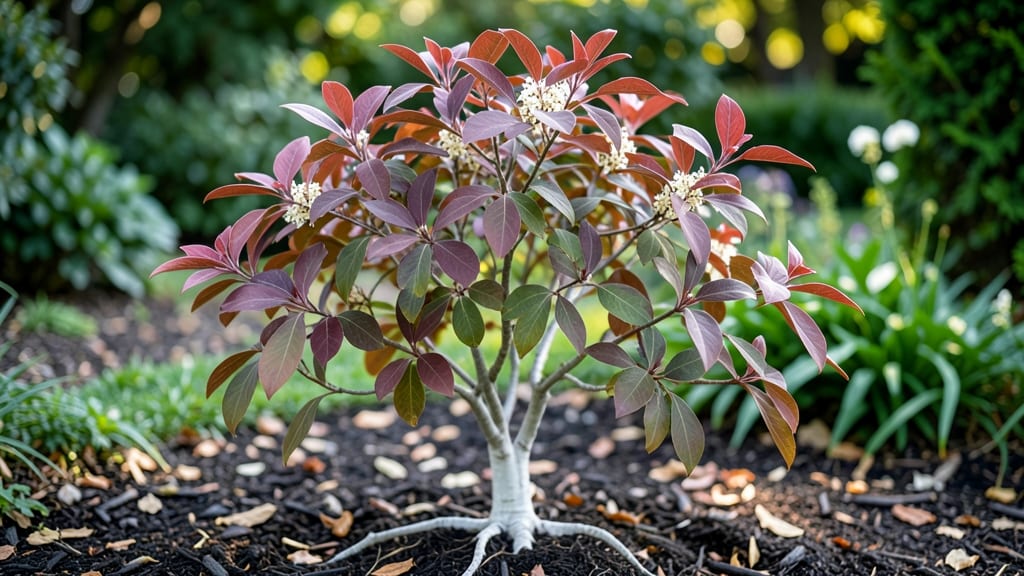
Your eucalyptus tree’s red leaves might seem alarming, but they’re often a sign of stress that’s easy to fix 🌳 — whether from nutrient shortages, watering mistakes, or seasonal shifts.
Picture this: you’ve poured time and care into your towering eucalyptus, only to notice its once-vibrant green leaves turning a bold red. Before you panic, know that this common issue usually points to a few key problems—like magnesium deficiency, overwatering, or even temperature swings—and each has a straightforward solution.
In this guide, I’ll walk you through the top 5 causes behind those red leaves, from drought stress to pest damage, and share step-by-step fixes to restore your tree’s lush green glow. You’ll also learn when to call in a pro for deeper issues like fungal infections.
By the end, you’ll know exactly how to diagnose the problem, adjust your care routine, and give your eucalyptus the healthy comeback it deserves—without guesswork or wasted effort.
5 Common causes of red leaves on eucalyptus trees
When your eucalyptus tree starts showing red leaves instead of its signature deep green, it’s usually a sign of stress. These trees are hardy, but even they react to environmental changes, nutrient imbalances, or improper care.
The good news? Most causes are reversible with targeted fixes. Let’s break down the top 5 reasons and how they manifest in your tree’s foliage.
First, observe the pattern of reddening. Is it on new growth, older leaves, or scattered randomly? This clue helps narrow down whether the issue is water-related, nutrient-deficient, or tied to temperature fluctuations.
For example, red edges often signal low humidity or over-fertilization, while uniform reddening may point to root stress or cold damage.
Eucalyptus trees thrive in well-draining soil and full sun, but even minor deviations can trigger stress responses. The most common culprits are overwatering, nutrient deficiencies, temperature extremes, pest pressure, and soil pH imbalances. Each of these disrupts the tree’s ability to produce chlorophyll, leading to that telltale red hue.
-
1. Nutrient Deficiency
Lack of magnesium or nitrogen causes reddening, often starting between leaf veins. -
2. Overwatering or Poor Drainage
Waterlogged roots starve leaves of oxygen, leading to red or yellow patches. -
3. Temperature Stress
Frost or heatwaves (>90°F) cause reddening as leaves struggle to regulate moisture. -
4. Pest or Disease Pressure
Sap-sucking insects or fungal infections disrupt nutrient flow, turning leaves red or spotted. -
5. Soil pH Imbalance
Acidic (<5.0) or alkaline (>8.0) soil locks out essential nutrients, causing reddening.
Let’s dive deeper into each cause. Nutrient deficiencies are the most common trigger, especially in magnesium or iron. These minerals are vital for chlorophyll production, and without them, leaves lose their green pigment.
Look for red or purple hues between the veins—a classic sign of magnesium deficiency, often called chlorosis. Young leaves are usually the first to show symptoms, as the tree prioritizes sending nutrients to older foliage.
If your eucalyptus tree is planted in clay soil or a spot prone to waterlogging, overwatering could be the culprit. Roots deprived of oxygen can’t absorb nutrients efficiently, leading to red or yellow leaves.
Check the soil 1-2 inches deep—if it’s soggy, your tree is likely drowning. This issue is more common in container-grown eucalyptus or trees planted in low-lying areas where water pools.
Temperature extremes are another frequent offender, particularly in Zone 6 or colder climates. Eucalyptus trees are native to Australia’s warm, dry regions, so they’re sensitive to frost and sudden cold snaps. When temperatures dip below 20°F, leaves may develop red or brown patches as cells freeze and rupture. Heat stress in summer heatwaves (>95°F) can also trigger reddening, as leaves lose moisture faster than roots can replace it.
Pests like psyllids or aphids can also cause red leaves by sapping sap and disrupting nutrient flow. These insects thrive in new growth and leave behind sticky residue called honeydew, which can attract sooty mold.
If you spot tiny insects clustered on stems or undersides of leaves, they’re likely the cause. Fungal infections, such as root rot or leaf spot, can also manifest as red or dark patches, often accompanied by yellowing or leaf drop.
Finally, soil pH imbalances can lock out essential nutrients, even if they’re present in the soil. Eucalyptus trees prefer a slightly acidic pH (6.0-7.0). If your soil is too acidic (<5.0), aluminum toxicity can occur, while alkaline soil (>8.0) reduces iron availability.
Both scenarios lead to red or purple leaves, as the tree struggles to access critical minerals. Test your soil’s pH with a home kit or send a sample to a local extension office for analysis.
Identifying the exact cause of red leaves on your eucalyptus tree is the first step toward recovery. Once you pinpoint the issue—whether it’s nutrient deficiency, water stress, or temperature shock—you can take targeted action to restore your tree’s health.
In the next section, we’ll cover step-by-step fixes tailored to each cause, so your eucalyptus can bounce back to its vibrant green glory.
Step-by-step fixes to restore healthy green leaves
When your eucalyptus tree develops red leaves, it’s often a sign of stress from environmental factors or care mismanagement. The good news? Most causes have simple, actionable fixes.
Start by identifying the root issue—whether it’s overwatering, nutrient deficiency, or sunlight exposure—and apply targeted solutions to restore vibrant green foliage.
One of the first steps is adjusting your watering schedule. Eucalyptus trees thrive on well-draining soil and hate soggy roots. If your tree is in clay soil or a container, ensure excess water drains away within 24 hours.
For newly planted trees, water deeply once a week, while mature trees only need water every 2-3 weeks during dry spells.
⚠️ callout warning
Eucalyptus trees are drought-tolerant once established. Yellowing leaves or reddish-brown tips often signal root rot from excess moisture. Check soil moisture by sticking your finger 2 inches deep—if damp, hold off on watering for a week. Mulch with bark to improve drainage and reduce evaporation.
🌱 Pro Tip: Water at soil level, not the foliage, to prevent fungal issues.
Next, assess your soil quality. Eucalyptus trees prefer sandy or loamy soil with a pH between 6.0 and 7.5. If your soil is compacted or nutrient-poor, amend it with organic matter like compost or aged manure.
For magnesium deficiency (a common cause of red leaves), apply Epsom salt (1 tablespoon per gallon of water) every 4-6 weeks during the growing season.
Pruning can also help revive your tree. Remove damaged or discolored leaves to redirect energy to healthier growth. Focus on dead branches first, then trim back any leggy growth to encourage a fuller shape.
Use sterilized pruners to avoid spreading disease, and prune in late winter or early spring for best results.
Seasonal care plays a key role in prevention. In summer heat, provide light shade during peak afternoon hours to prevent leaf scorch. During winter dormancy, reduce watering and avoid fertilizing, as cold stress can exacerbate red leaf issues.
Monitor your tree’s response to adjustments—healthy leaves should regain their green hue within 4-6 weeks of proper care.
If red leaves persist after 2-3 months of targeted fixes, deeper issues like pest infestations (e.g., psyllids) or fungal diseases may be at play. In such cases, consult a certified arborist to diagnose and treat the problem before it spreads.
With patience and consistent care, your eucalyptus tree can bounce back to its lush, green glory!