
Pruning
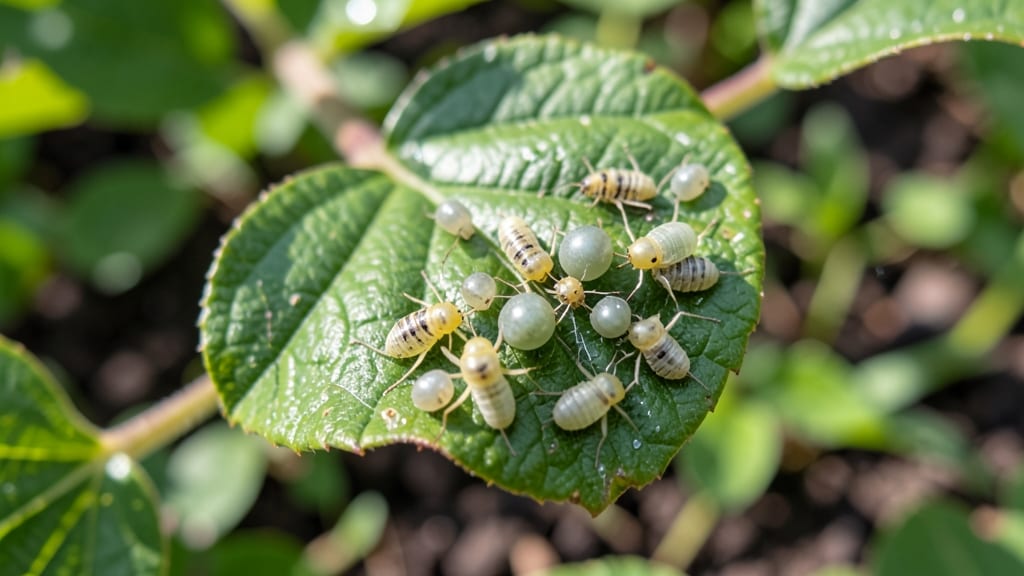
Elderberry trees turn into bug magnets when you least expect it—aphids, borers, and beetles can strip your harvest before you even notice. 🌿 I’ve watched my own bushes go from lush and productive to skeleton branches in just a few weeks, and I learned the hard way that waiting too long means losing the season’s berries.
The worst offenders? Japanese beetles devouring leaves, scale insects sucking sap, and borers tunneling through the bark. These pests don’t just damage foliage—they weaken the tree’s ability to produce fruit. The good news? Catching them early with simple, natural remedies can save your harvest without harsh chemicals.
You’ll spot infestations by checking for sticky residue on leaves, chewed edges, or tiny holes in the bark. A strong blast of water for aphids, neem oil for scale, and beneficial nematodes for borers are my go-to fixes—all proven to work without harming pollinators or future harvests.
Once you’ve treated the problem, keep an eye out for early signs next season. Healthy trees resist pests better, and a little prevention goes a long way toward keeping your bushes thriving for years.
Root Causes of Elderberry Invaders
Your elderberry tree isn’t just a tasty treat for humans—it’s a buffet for a variety of pests. Understanding why these bugs show up in the first place is the first step to keeping your harvest safe and thriving.
Below, we break down the most common reasons behind these uninvited guests, from environmental factors to plant health signals.
Elderberry trees thrive when they have space to grow strong roots and dense foliage. But when branches are too close together or the tree is under stress, it becomes an easier target for pests. Here’s why:
- Poor air circulation: Tightly packed branches create humid, shaded pockets where moisture lingers—perfect breeding grounds for soft-bodied insects like aphids and spider mites. These pests thrive in damp conditions and can multiply rapidly if left unchecked.
- Nutrient competition: Overcrowded trees compete for sunlight, water, and nutrients, weakening their natural defenses. A stressed tree produces less sap and fewer secondary metabolites (like tannins), which are the plant’s built-in pest repellents.
- Physical damage: Branches rubbing against each other (a condition called flagging) create wounds that attract borers and bark beetles. These insects lay eggs in damaged wood, leading to long-term structural issues.
Actionable fix: Prune your elderberry tree annually to open up the canopy, removing dead, diseased, or crossing branches. Aim for a vase-shaped structure with a central leader and well-spaced scaffold branches.
Bugs aren’t just attracted to elderberries—they’re drawn to trees that are already struggling. Nutrient deficiencies (especially nitrogen, phosphorus, or potassium) make plants more vulnerable to infestations. Here’s how it plays out:
| Deficiency | Plant Symptoms | Attracts These Pests |
|---|---|---|
| Nitrogen (N) | Yellowing leaves (chlorosis), stunted growth, weak stems | Aphids, leafhoppers, and whiteflies (they feed on sap, which is more accessible in weakened plants) |
| Phosphorus (P) | Purple or dark green leaves, slow root growth, delayed flowering | Root-knot nematodes and borers (poor root health makes the tree susceptible to soil-dwelling pests) |
| Potassium (K) | Brown leaf edges, weak stems, poor fruit development | Spider mites and scale insects (lack of potassium reduces the plant’s ability to recover from damage) |
Actionable fix: Conduct a soil test every 2–3 years to check nutrient levels. Amend the soil with compost, well-rotted manure, or organic fertilizers like bone meal (for phosphorus) or greensand (for potassium). Avoid over-fertilizing with nitrogen, which can lead to soft, sugary growth that attracts more pests.
Bugs don’t just appear randomly—they follow the calendar and weather patterns. Elderberry trees are particularly vulnerable during specific times of year:
- Early spring (🌱 Sprouting phase):
As new leaves unfurl, they’re tender and nutrient-rich, making them a prime target for leafhoppers, aphids, and sawfly larvae. Mild winters (where pests survive) followed by warm, wet springs create the perfect storm for outbreaks.
- Summer (🍇 Flowering/Fruiting phase):
Overripe or damaged berries attract fruit flies, Japanese beetles, and elderberry borers. High humidity and temperatures (75–85°F) also speed up the life cycles of mites and scale insects.
- Late summer/fall (🍂 Senescence):
As leaves senesce, they become less palatable, but borers and bark beetles seek out weakened wood to lay eggs. Fall pruning wounds (if not sealed) can also invite infestations.
Actionable fix:
- ✅ Monitor weather forecasts and apply neem oil or insecticidal soap preventatively before peak pest seasons.
- ✅ Remove fallen leaves and fruit in autumn to eliminate hiding spots for overwintering pests.
- ✅ Use row covers in early spring to block flying insects from reaching new growth.
Sometimes, the problem isn’t the tree—it’s us. How we manage (or neglect) elderberry trees can inadvertently invite bugs:
- Improper pruning: Cutting too late in the season (after early summer) leaves fresh wounds that ooze sap, attracting sap-feeding insects like aphids and scale.
- Overhead irrigation: Watering from above keeps foliage damp, creating ideal conditions for fungus gnats, thrips, and mites. Drip irrigation or soaker hoses reduce this risk.
- Nearby pest reservoirs: If you have other infested plants (e.g., roses, grapes, or fruit trees) nearby, pests can hopscotch to your elderberries. Some bugs, like Japanese beetles, travel up to 500 feet in search of food.
- Lack of beneficial predators: A monoculture garden (only elderberries) lacks the biodiversity to support ladybugs, lacewings, and parasitic wasps, which naturally keep pest populations in check.
Actionable fix:
- 🔪 Prune in late winter/early spring (before buds swell) and seal large cuts with pruning sealant.
- 💧 Water at the base in the early morning to allow foliage to dry quickly.
- 🌿 Plant companion species like marigolds, dill, or yarrow to attract predator insects.
- 🚫 Avoid broad-spectrum pesticides, which kill beneficial insects along with pests.
By addressing these root causes, you’re not just treating the symptoms—you’re making your elderberry tree a less appealing (and more resilient) option for pests.
The key is proactive care: healthy trees are naturally resistant to many bugs, and a few simple adjustments can go a long way in keeping your harvest bug-free.
Natural Ways To Rescue Your Elderberry Harvest
If your elderberry tree is under siege by bugs, don’t panic—there are effective, eco-friendly solutions to restore balance and protect your harvest. Below, we’ve mapped out practical fixes for the most common culprits, from sap-sucking insects to voracious larvae, along with prevention tips to keep pests at bay for good.
Fix: These tiny pests weaken plants by draining sap, leaving behind sticky residue ("honeydew") that attracts mold. Combat them with:
- 🔥 Homemade Spray (Soap & Oil Mix) Mix 1 tbsp mild liquid soap (like Castile) + 1 tbsp vegetable oil + 1 quart water in a spray bottle. Shake well and apply early morning or evening to avoid harming bees. Reapply every 3–5 days until pests vanish.
- 🌿 Neem Oil Blend Combine 1 tbsp neem oil + 1 tsp dish soap + 1 quart water. Spray directly on infested leaves, focusing on undersides where aphids hide. Reapply weekly for prevention.
- 💡 Prevention Tip: Encourage natural predators like ladybugs and lacewings by planting dill, fennel, or marigolds nearby. These bugs love aphids for breakfast!
Fix: These caterpillar-like larvae devour leaves overnight, leaving skeletonized foliage. Act fast with:
- 🍳 Handpicking (Best for Small Infestations) 👨🍳 Wear gloves and pluck larvae off leaves, dropping them into soapy water to drown. Check morning and evening when they’re most active.
- 🔪 Diatomaceous Earth (DE) Barrier Sprinkle food-grade DE lightly around the base of the tree and on leaves. It dehydrates insects without chemicals. Reapply after rain.
- 🌿 Kaolin Clay Spray Mix 2 tbsp kaolin clay (like Surround WP) with 1 gallon water and spray evenly on leaves. The clay smothers larvae and deters future eggs. Reapply every 7–10 days.
- 🎯 Prevention Tip: Prune in early spring to remove old wood where sawfly eggs overwinter. Mulch with wood chips to discourage egg-laying.
Fix: These metallic-green beetles skeletonize leaves and feast on fruit. Stop them with:
- 🥘 Beer Trap (DIY Bait) Fill a shallow dish with beer and bury it near the tree. Beetles are drawn to the yeast and drown. Refresh every 2–3 days.
- 🌿 Neem Oil or Pyrethrin Spray Use neem oil (as above) or a pyrethrin-based spray (derived from chrysanthemums) to knock them off leaves. Spray late afternoon to avoid harming pollinators.
- 💡 Prevention Tip: Handpick beetles early morning when they’re sluggish. Drop them into soapy water—they multiply fast!
Fix: These sap-sucking pests hide under waxy shells, exuding honeydew that attracts mold. Remove them with:
- 🔪 Scrubbing with Rubbing Alcohol Dip a soft cloth or cotton swab in 70% isopropyl alcohol and wipe off scales from branches. Repeat weekly until gone.
- 🌿 Horticultural Oil Spray Use dormant oil (safe for trees) and apply when temps are above 40°F. Spray thoroughly, including stems and leaf undersides.
- 💡 Prevention Tip: Inspect new plants before adding them to your garden. Scale insects hitchhike on nursery stock!
- 🌿 Plant Companion Flowers: Marigolds, lavender, and basil repel many pests naturally. - 🌡️ Monitor Temperature: Avoid overwatering—bugs love damp soil. Water deeply but infrequently. - ✨ Encourage Beneficial Bugs: Ladybugs, predatory wasps, and birds are your best allies.
Install a birdhouse or bee bath nearby. - 📊 Prune Regularly: Remove dead branches and overcrowded growth to reduce hiding spots.
Pro Tip: Rotate remedies to prevent pests from building resistance. Act at the first sign—early intervention saves your harvest! 🍇
Frequently asked questions
What are the most destructive bugs for elderberry trees?
Japanese beetles, elderberry borers, and scale insects are the worst offenders. Japanese beetles skeletonize leaves, borers tunnel through bark, and scale insects drain sap, all leading to reduced fruit production. Early detection is key—check for chewed leaves, sticky residue, or tiny holes in the bark.
Can I use chemical pesticides on my elderberry tree?
While chemical pesticides work, they harm beneficial insects and pollinators. For organic solutions, try neem oil or insecticidal soap—both are effective against aphids and beetles without killing bees. Always apply in the evening to protect pollinators.
How do I know if my tree has borers?
Look for tiny holes in the bark, sawdust-like frass (borer droppings), or weakened branches that snap easily. Tap branches—if they sound hollow, borers are likely inside. Act fast with beneficial nematodes or pruning out infested wood.
Will pruning help prevent bugs?
Prune in late winter/early spring to remove dead wood and improve airflow. This reduces hiding spots for pests and strengthens the tree. Always seal large cuts with pruning sealant to prevent borers from entering.
Are elderberry bugs harmful to humans?
Most elderberry pests (like aphids or beetles) are harmless to humans, but some can carry diseases. The bigger risk is mold from honeydew (aphid waste), which can cause respiratory issues if inhaled. Always wear gloves when handling infested plants.