
Pruning
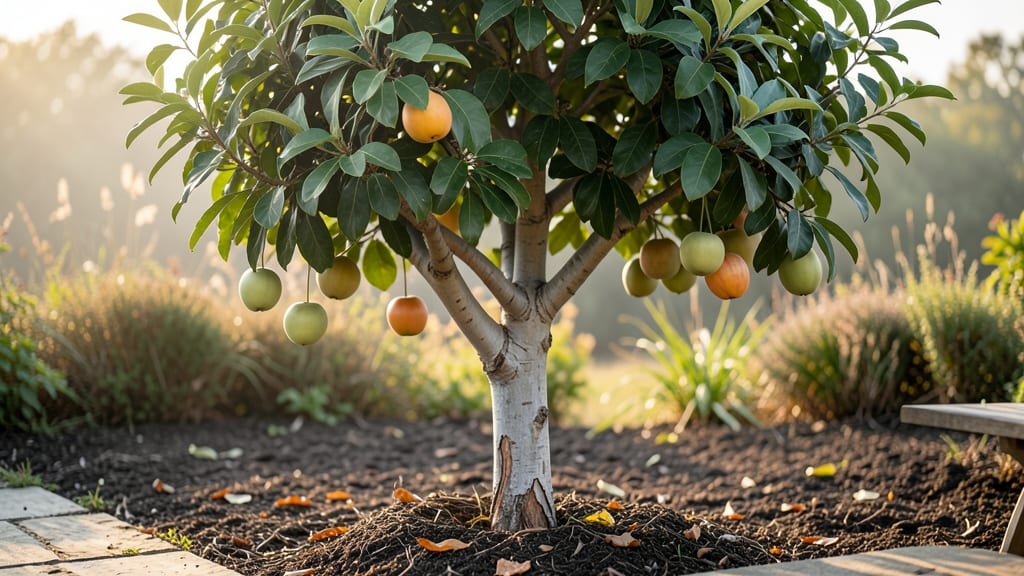
Your persimmon tree might be loaded with fruit that never ripens—and pruning at the wrong time is often the culprit. 🌿 I’ve watched my own trees struggle with unripe fruit for years, but the right cuts at the right moment can transform that problem into a harvest of sweet, jelly-like persimmons by fall.
The issue usually boils down to two things: late pruning (after flowering) or overcrowded branches blocking sunlight. Persimmons need full sun to ripen, and pruning after bloom season stresses the tree just as it’s trying to set fruit. Even worse, dense canopies trap moisture, inviting fungal diseases that stunt ripening.
Here’s the fix: prune in late winter or early spring—before buds swell—to encourage strong new growth. Thin out crossing branches to improve airflow, and remove any dead or diseased wood. With the right timing, you’ll see fruit ripen 2-3 weeks earlier than before, and the flavor? Rich, honey-like perfection.
Works for both Asian (like Fuyu) and American (like American persimmon) varieties. The key is patience—ripe persimmons soften when ready, but never cut into unripe ones (they’re astringent and bitter). Let’s get those branches in shape for next season’s harvest!
Behind Unripe Persimmon Fruit
If your persimmon tree is producing fruit that stays hard, astringent, and unripe—despite what seems like ample time—understanding the root causes can help you intervene effectively. Persimmons are finicky, and several factors, from environmental conditions to tree health, can stall their ripening process.
Let’s break down the science behind why your persimmons might be refusing to soften.
Persimmon trees, especially Diospyros kaki (Asian persimmons), often require a specific number of chilling hours—typically between 200 to 800 hours below 45°F (7°C)—to trigger proper fruit development. Without adequate cold exposure, the tree may fail to initiate the hormonal shifts needed for ripening.
- 📊 What happens? Buds may not open correctly, flowers could drop prematurely, or fruit will develop poorly, staying firm and astringent.
- 🌡️ Where does this happen? Regions with mild winters (e.g., coastal areas, low-elevation zones) or years with unusually warm winters are high-risk.
- 💡 Actionable fix:
- Check your local chilling hour data—some persimmon varieties (like ‘Fuyu’) are more cold-tolerant than others.
- If chilling is insufficient, consider late-spring frost protection (e.g., row covers) to extend the growing season.
- Plant low-chill varieties like ‘Iachie’ or ‘Triumph’ if you’re in a warm climate.
Persimmons are not self-pollinating—they rely on bees, wind, or cross-pollination between trees. If flowers aren’t pollinated properly, fruit may form but fail to mature, staying small, hard, and unripe.
- 🐝 What causes it?
- Lack of pollinator activity (e.g., few bees in early spring).
- Extreme weather (e.g., late frosts killing flowers before pollination).
- Over-application of pesticides that harm bees.
- Planting only one tree (unless it’s a self-fertile variety like ‘McDaniel’).
- 🔍 How to spot it: Look for small, misshapen fruit or clusters of fruit that drop early.
- 💡 Actionable fix:
- Plant two or more persimmon trees of compatible varieties (e.g., ‘Hachiya’ + ‘Fuyu’).
- Avoid pesticides during bloom time (early spring).
- Hand-pollinate with a paintbrush if bees are scarce.
- Protect blossoms from frost with frost cloth.
Persimmons are heavy feeders and require balanced nutrients—especially potassium, nitrogen, and boron—to develop properly. Deficiencies can lead to stunted growth, poor fruit set, or fruit that never softens.
| Nutrient | Deficiency Signs | Fix |
|---|---|---|
| Potassium (K) | Small, hard fruit; weak stems; yellowing leaf edges. | Apply potassium sulfate or wood ash in early spring. |
| Boron (B) | Cracked or deformed fruit; poor pollination; blackened flower buds. | Spray with borax solution (1 tbsp/gallon) at bloom time. |
| Nitrogen (N) | Slow growth; pale green leaves; poor fruit development. | Use compost or blood meal in early spring. |
| Zinc (Zn) | Small, thick leaves; stunted fruit. | Apply zinc sulfate foliar spray. |
⚠️ Warning: Over-fertilizing with nitrogen can lead to excessive leafy growth at the expense of fruit ripening. Always follow a balanced NPK ratio (e.g., 10-10-10).
Aggressive pruning—especially in late winter or early spring—can stress the tree, reducing its energy for fruit development. Additionally, disease, pests, or root damage divert resources away from ripening.
- 🪓 What causes it?
- Pruning too late in the season (after buds swell).
- Removing too many branches at once (e.g., >25% of the canopy).
- Fungal diseases (e.g., anthracnose) or pests (e.g., persimmon borers) weakening the tree.
- Compacted or waterlogged soil restricting root growth.
- 🌿 How to spot it: Look for yellowing leaves, dieback, or sparse fruit set despite adequate care.
- 💡 Actionable fix:
- Prune only in late winter (dormant season) and avoid heavy cuts.
- Thin out overcrowded branches to improve airflow and sunlight.
- Test soil pH (6.0–7.0 ideal) and amend with compost if compacted.
- Treat diseases early with copper fungicide or neem oil.
Not all persimmon varieties thrive in every region. Hachiya persimmons (astringent, disk-shaped) need more chilling hours than Fuyu persimmons (non-astringent, acorn-shaped). Planting the wrong type can result in fruit that never ripens properly.
- 🌎 Common mismatches:
- Planting Hachiya in a warm, low-chill zone (e.g., Southern California).
- Growing Fuyu in a short-season climate (e.g., Northern
Fixing Unripe Persimmons Naturally
Now that you understand why your persimmon tree might be producing unripe fruit, let’s tackle the solutions—starting with practical fixes and ending with prevention tips to ensure a bountiful, harvest-ready crop next season.
If your tree is overloaded with fruit or has poor air circulation, pruning can help. Focus on these key steps:
🔪 Remove Overcrowded Branches
- Thin out branches that are too close together to improve airflow and sunlight exposure.
- Aim to reduce branch density by 20-30%—this helps fruit mature evenly.
- Pro Tip: 💡 Prune in late winter or early spring (before buds swell) to avoid stressing the tree.
🍂 Trim Back Overgrown Canopy
- If the tree’s canopy is too dense, cut back some outer branches to let sunlight reach inner fruit.
- Avoid heavy pruning in summer—save major cuts for dormant seasons.
✂️ Shape the Tree for Balance
- Remove suckers (shoots growing from the base) and water sprouts (fast-growing vertical shoots).
- Keep the tree’s structure open to prevent fungal issues and uneven ripening.
Unripe persimmons often struggle due to poor growing conditions. Fix these issues:
🌞 Increase Sun Exposure
- If your tree is shaded by taller plants or structures, consider thinning nearby foliage or relocating young trees to sunnier spots.
- Persimmons need full sun (6-8 hours daily)—partial shade can delay ripening.
🌱 Fertilize for Stronger Growth
- Test your soil for nitrogen, phosphorus, and potassium imbalances.
- Apply a balanced fertilizer (10-10-10) in early spring, followed by a potassium-rich boost in late summer to support fruit development.
- Warning: ⚠️ Avoid over-fertilizing with nitrogen—it promotes leafy growth over fruit ripening.
💧 Adjust Watering Practices
- Persimmons need deep, infrequent watering (1-2 inches per week).
- Too much water can dilute nutrients, while drought stress slows ripening.
- Mulch around the base to retain moisture and regulate soil temperature.
Pests and diseases can stress the tree, leading to unripe fruit. Act fast with these fixes:
🐜 Monitor for Common Pests
- Aphids, scales, and Japanese beetles sap tree strength. Spray with neem oil or insecticidal soap if infestations appear.
- Birds and squirrels may peck at fruit—use netting on young trees to protect them.
🍄 Prevent Fungal Infections
- Remove fallen leaves and debris to reduce fungal spores.
- If you spot powdery mildew or anthracnose, apply copper fungicide or baking soda spray (1 tbsp baking soda + 1 quart water + a drop of soap).
If some fruit still won’t ripen on the tree, try these workarounds:
🍉 Pick Early and Ripen Indoors
- Astringent persimmons (like Hachiya) must be fully soft before eating. If they’re still hard and bitter:
- Harvest when fully colored but slightly firm.
- Store in a cool, dark place (55-65°F) for 2-4 weeks—they’ll soften naturally.
- Pro Tip: 🌡️ Speed up ripening by placing fruit near a banana or apple (ethylene gas helps!).
🍎 Non-Astringent Varieties (Fuyu)
- These can be eaten firm (like an apple). If they’re underripe:
- Let them sit at room temperature for 1-2 weeks until fully colored.
- Avoid refrigerating until fully ripe—it stops the process.
⚠️ When to Leave Them (or Remove Them)
- If fruit is small, deformed, or infested, prune it off to redirect the tree’s energy to healthier fruit.
- Overripe fruit left on the tree can attract pests—harvest before they spoil.
Once you’ve fixed the current issue, keep these practices to ensure ripe, delicious persimmons year after year:
- 📅 Plant at the Right Time: Choose a sunny, well-drained spot with 6+ hours of sunlight.
- 🌱 Choose the Right Variety: Pick cold-hardy, disease-resistant types like ‘Fuyu’ or ‘Hachiya’ for your climate.
- 🍂 Thin Fruit Early: Remove excess fruit when they’re golf-ball sized to prevent overburdening the tree.
- 🌡️ Monitor Weather: Persimmons need warm summers—if your area has short growing seasons, opt for early-ripening varieties.
- 🔄 Rotate Pruning & Fertilizing: Stick to a yearly pruning schedule and soil testing to maintain tree health.
By addressing pruning, sunlight, nutrition, pests, and harvest timing, you’ll be well on your way to a tree full of perfectly ripe persimmons—no more bitter surprises! 🍉✨
Frequently asked questions
Why do my persimmon fruits stay hard even after they turn orange?
Unripe persimmons often stay firm because they need full sunlight (6-8 hours daily) and proper chilling hours (200-800 below 45°F) to trigger ripening. If your tree lacks either, the fruit may remain astringent. Check for dense branches blocking light or insufficient winter cold in your region.
Can I eat unripe persimmons? What happens if I do?
Never eat hard, astringent persimmons raw—they’ll make your mouth feel dry and bitter! Only Hachiya varieties need to soften completely (like jelly), while Fuyu types can be eaten firm (like apples). If yours are still hard, store them in a cool, dark place for 2-4 weeks to ripen.
How do I know if my persimmon tree needs more sunlight?
Look for small, hard fruit clustered near the center of dense branches—these areas get the least light. If nearby trees or structures shade your persimmon for more than 4 hours/day, thin surrounding foliage or consider relocating young trees to sunnier spots.
What’s the best time to prune a persimmon tree to encourage ripening?
Prune only in late winter or early spring (before buds swell) to avoid stressing the tree. Remove 20-30% of overcrowded branches to improve airflow and sunlight penetration. Never prune after June—this delays next year’s fruit set.
Why did my persimmon flowers drop off, but I still have unripe fruit?
Late frosts, poor pollination (from pesticides or few bees), or nutrient deficiencies (especially boron) can cause flowers to drop while existing fruit struggles to ripen. Try hand-pollinating with a paintbrush or applying borax solution (1 tbsp/gallon) at bloom time next year.