
Pruning
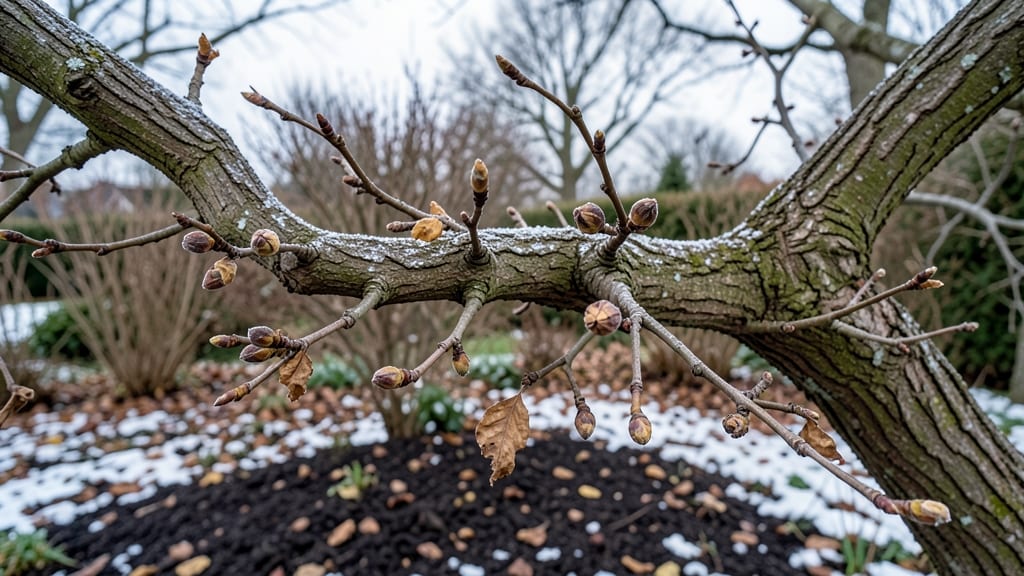
Pruning dormant tree branches isn’t just about tidying up—it’s the secret to keeping your trees healthy year-round. 🌳 I’ve seen firsthand how a few strategic cuts in late winter can transform a struggling tree into a lush, productive one by summer.
The key is knowing which branches to keep and which to remove, whether they’re dead, diseased, or just plain weak.
Most people assume dormant branches mean the tree is resting, but that’s not always the case. Some branches look fine but are actually hiding fungal infections, pest damage, or environmental stress. I learned this the hard way when a seemingly healthy oak lost half its canopy to a silent infection.
The fix? Cutting out the sick branches early and fertilizing the roots to encourage strong regrowth.
With just five simple cuts, you can improve airflow, reduce disease risk, and encourage new growth. The best part? You don’t need fancy tools—just sharp pruners, a little patience, and the right timing.
By spring, your tree will be pushing out fresh leaves and branches like it’s never been stronger.
This method works for fruit trees, shade trees, and even young saplings. Whether you’re dealing with a single branch or an entire tree, the principles stay the same. Let’s get those branches trimmed the right way!
Nature’s Pruning Process Explained
Dormant tree branches don’t just appear out of nowhere—they’re often a natural response to environmental stress, seasonal changes, or the tree’s own survival instincts. Understanding the why behind these "dead" branches helps you prune smarter and keep your trees thriving.
Below, we break down the key reasons dormant branches form, from biological quirks to external pressures.
Most trees enter dormancy in winter as a survival strategy. During colder months, growth slows, and some branches may appear dead—but they’re not always gone for good. Here’s the science:
- Reduced photosynthesis: With less sunlight and cold temperatures, trees prioritize energy storage in roots and trunk over branch growth. Weak branches may look dormant but could still recover with proper care.
- Bud formation: Trees like oaks and maples form buds in late summer/fall that "sleep" through winter. If these buds freeze or dry out, the branch above them may die back—but the root system often stays alive.
- Evergreens vs. deciduous: Evergreens (e.g., pines) shed old needles but keep their structure year-round, while deciduous trees drop leaves entirely. Both can produce dormant-looking branches due to water stress or disease.
Pro tip: 🌡️ Wait until late winter (just before buds swell) to prune dormant branches—this gives you the clearest view of which branches are truly dead vs. just resting.
Harsh conditions can force trees to "abandon" branches to conserve resources. These branches often appear gray, brittle, or snap easily—classic signs of stress-induced dormancy.
| Stress Factor | How It Affects Branches | What to Watch For |
|---|---|---|
| 💧 Drought | Roots can’t supply water to outer branches, causing them to dry out from the tips inward. | Wilting leaves, hollow-sounding wood when tapped, or branches that break easily. |
| ❄️ Freeze Damage | Water in branch cells expands and ruptures during extreme cold, killing tissue. | Dark streaks under bark, peeling bark, or branches that look "mummified." |
| 🌬️ Wind or Hail | Physical trauma severs vascular connections, starving the branch of nutrients. | Jagged breaks, exposed wood, or branches growing at odd angles. |
Actionable fix: If stress is the culprit, focus on revitalizing the tree first—deep watering (for drought), mulching (to insulate roots), or protecting from wind (with burlap or stakes) can help it recover before pruning.
Fungal infections, bacterial rot, or pests like borers and beetles can turn branches dormant by disrupting their ability to transport water and nutrients. These are often the most dangerous causes because they can spread.
- Fungal infections (e.g., anthracnose, powdery mildew):
- Clog pores in bark, preventing gas exchange.
- Look for black spots, white powder, or cankers (sunken, dead areas).
- Bacterial diseases (e.g., bacterial blight):
- Release toxins that kill vascular tissue.
- Check for oozing sap, wilting leaves, or branches that die back suddenly.
- Pest infestations (e.g., emerald ash borer, bark beetles):
- Larvae tunnel through cambium (the tree’s "plumbing system").
- Signs: Sawdust-like frass, exit holes, or branches dying in a "flagging" pattern (one side dead, one side green).
Critical step: 🔥 If you suspect disease or pests, sterilize your pruners with rubbing alcohol between cuts to prevent spreading pathogens. Remove infected branches at the branch collar (the swollen area where the branch meets the trunk) to avoid leaving stubs that trap moisture.
By identifying the root cause—whether it’s seasonal slowdown, environmental strain, or a hidden invader—you can prune with purpose. Next, we’ll cover how to tell dead wood from dormant wood so you only cut what’s truly beyond saving.
Fixing Dead Branches Safely
Now that you understand why dormant branches die back, here’s how to revive your tree’s health—or at least prevent further damage. The key is acting at the right time with the right tools. Below, we’ve mapped common causes to their fixes, plus prevention tips to keep your tree thriving year-round.
Fix: Remove the affected branches completely to stop the spread. Here’s how:
- 🔪 Cut at the Branch Collar
- Use clean, sharp pruning shears (sterilized with rubbing alcohol) to make a precise cut just outside the branch collar—the swollen area where the branch meets the trunk.
- Avoid leaving stubs, which invite decay.
- 🧼 Sterilize Your Tools
- Wipe blades with 10% bleach solution (1 part bleach to 9 parts water) between cuts to prevent cross-contamination.
- 🗑️ Dispose of Infected Debris
- Bag and trash diseased branches immediately—don’t compost them.
💡 Pro Tip: If fungal spots (like powdery mildew) appear, apply a copper fungicide to the wound after pruning.
Fix: Wait until late winter or early spring (when new growth starts) to assess damage. Then:
- 👀 Test for Lifeless Branches
- Scratch the bark with your fingernail—if it’s green underneath, the branch is still alive. If brown, it’s dead.
- ✂️ Prune Dead Wood Only
- Cut dead branches back to live tissue (green bark). No need to over-prune healthy growth.
- 🌱 Feed the Tree
- Apply a balanced fertilizer (like 10-10-10) in early spring to help recovery.
❄️ Prevention: Wrap young trees in burlap during harsh winters to shield them from freezing winds.
Fix: Act fast to prevent further structural damage.
- 🚨 Assess Safety First
- If branches are hanging precariously, call an arborist. Never climb or work near unstable limbs.
- 🔹 Make Clean Cuts
- Use a pruning saw for thick branches. Cut at a 45-degree angle just outside the branch collar.
- 🪓 Remove Large Debris
- Chip broken wood into small pieces for mulch (if disease-free) or dispose of it.
🌡️ Prevention: Thin the canopy slightly in summer or early fall to reduce wind resistance.
Regardless of the cause, follow these year-round rules for healthy trees:
- ⏰ Time It Right:
- Dormant season (late winter/early spring) is ideal for major pruning.
- Avoid heavy cuts in fall (invites disease) or summer (stresses the tree).
- 📏 Keep It Proportional:
- Never remove more than 25% of the canopy in one season.
- 🌿 Encourage Airflow:
- Thin out crossing or rubbing branches to reduce disease risk.
- 🌱 Mulch & Water:
- Add 2–3 inches of mulch around the base (keep it 6 inches from the trunk) and water deeply once a week during dry spells.
If your tree is suddenly wilting (not just dormant branches), act fast:
- 💦 Water Deeply – Soak the root zone if the soil is dry.
- 🌿 Check for Root Rot – If the base smells foul or oozes sap, consult an arborist.
- 🛡️ Protect from Pests – Spray with neem oil if you spot borers or aphids.
Final Thought: A little regular maintenance goes a long way. By pruning strategically and addressing issues early, your tree will stay strong—and those dormant branches will either wake up or make way for healthier growth! 🌳✨
Frequently asked questions
How can I tell if a dormant branch is truly dead or just resting?
Scratch the bark with your fingernail—if it's green underneath, the branch is alive but dormant. If the bark is brown all the way through, it's dead. For extra confirmation, tap the branch: a hollow sound means it's dead, while a solid thud suggests it's still alive but dormant.
Is it safe to prune dormant branches in winter?
Yes, late winter (just before buds swell) is actually the best time to prune dormant branches. The tree isn't actively growing, so it won't bleed sap excessively. Plus, you can see which branches are dead vs. just resting. Avoid pruning in extreme cold or during frost.
What should I do if my tree has dormant branches but no leaves at all?
Check for signs of disease or pests first—look for oozing sap, sawdust-like frass, or exit holes in the bark. If the tree is otherwise healthy, it might just need fertilizer and deep watering in early spring. If the trunk is soft or smells foul, consult an arborist for root rot.
Can I prune dormant branches without special tools?
You can start with basic hand pruners for smaller branches, but thicker branches need a pruning saw. For safety, always wear gloves and eye protection. If you're unsure about large branches, call a professional—some trees require specialized equipment to handle safely.
Will pruning dormant branches encourage new growth?
Removing dead or weak branches reduces stress on the tree and allows energy to flow to healthier parts. After pruning, apply a balanced fertilizer and mulch around the base. You should see new buds forming by late spring if the tree is otherwise healthy.