
Trees
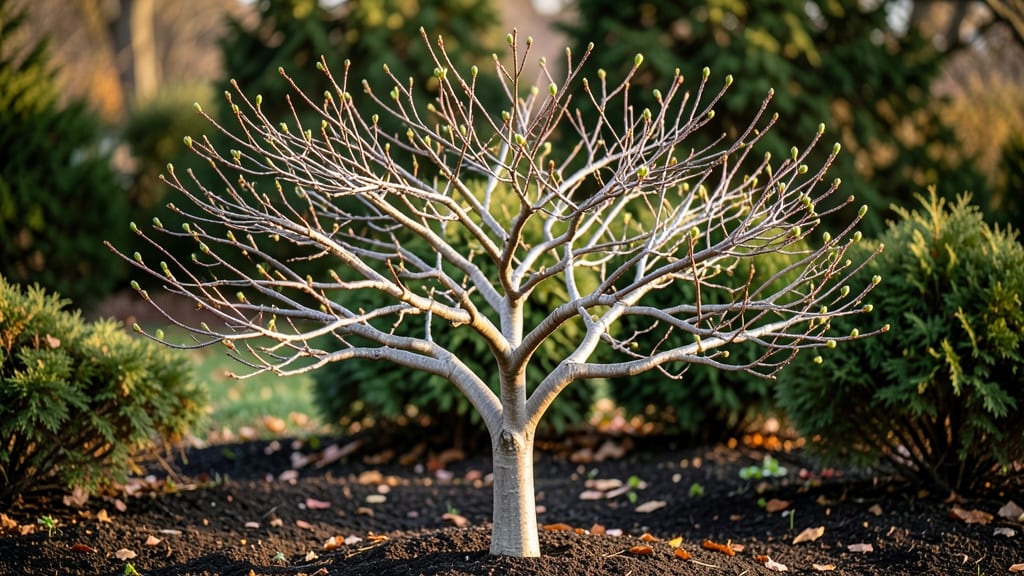
A dogwood tree without leaves might look sad, but it’s often just resting—or signaling a fixable problem. 🌳 I’ve nursed back several over the years, and the first step is ruling out whether it’s normal winter dormancy or something more serious like disease or stress.
Start by checking for anthracnose (those telltale black spots on stems) or pests like borers, which can strip leaves. If the bark looks cracked or the soil is waterlogged, that’s your clue to adjust care. Prune dead branches in late winter, and give it a balanced fertilizer to boost recovery.
📚 In This Guide
- What you need
- Instructions
- Tips and common mistakes
- Wrapping up and next steps
What you need
- ● Pruning shears – Sharp, bypass-style (for small branches, 6–8" blades).
- ● Loppers – For thicker branches (1–2" diameter), with a long handle for reach.
- ● Pruning saw – Curved-tooth saw for branches 2" or larger.
- ● Ladder – Sturdy, extendable (16–20 ft) with non-slip feet.
- ● Gloves – Heavy-duty, cut-resistant (e.g., mechanics’ or pruning gloves).
- ● Disinfectant – 70% isopropyl alcohol or bleach solution (1 part bleach : 9 parts water) to sterilize tools.
- ○ Tree wound dressing (optional) – Pruning sealant (e.g., Tanglefoot Tree Wound Pruning Seal) for large cuts.
- ● Work boots – Waterproof, ankle-supporting for stability.
- ● Safety glasses – ANSI-rated to protect from debris.
- ● Trash bags – Heavy-duty, 30+ gallon for debris removal (2–3 bags).
- ● Pole saw – For high-reach branches without climbing.
- ● Tree bag – Mesh bag to collect large pruned branches.
- ● Extension cord – If using electric tools (e.g., chainsaw for thick limbs).
- ● First-aid kit – For minor cuts or scrapes.
- ● Camera/phone – To document before/after pruning for reference.
How to care for a dogwood tree that loses its leaves
Here's how to keep your winter-bare dogwood thriving year-round.
🌿 Step 1: Understand Why Dogwoods Shed Their Leaves
Dogwoods are deciduous, meaning they naturally drop leaves in fall to conserve energy through winter. This isn't a problem—it's part of their life cycle. The real work starts in early spring when you'll notice new growth emerging from the bare branches. Watch for tiny buds swelling along the stems, signaling the tree is waking up.
Don't panic if your dogwood looks bare—this is normal. The key is providing consistent care during dormancy. Mulch the base with 2-3 inches of organic mulch (like shredded bark) to protect roots from freezing temperatures. This also prevents soil erosion from winter rains.
☀️ Step 2: Prune for Health and Shape in Late Winter
The best time to prune dogwoods is late winter or early spring, before new growth begins. Remove any dead, diseased, or crossing branches first—they're easy to spot on the bare tree. Cut back to the branch collar (the swollen area where the branch meets the trunk) to prevent future damage.
For shaping, limit yourself to removing no more than 25% of the tree's canopy in one season. Dogwoods bloom on old wood, so avoid heavy pruning after flowering. Look for branches growing inward or rubbing against others—these should be removed to improve air circulation and reduce disease risk.
💧 Step 3: Water Deeply During Critical Growth Periods
Dogwoods need 1-1.5 inches of water per week during their active growing season (spring through fall). Water deeply but infrequently—aim for every 7-10 days unless you're experiencing extreme heat or drought. The soil should be dry 2-3 inches below the surface before watering again.
Newly planted dogwoods require more frequent watering—2-3 times per week for the first year—to establish strong root systems. Use a soaker hose to deliver water slowly at the base, avoiding the leaves to prevent fungal diseases. You'll know you're doing it right when the soil stays consistently moist but not soggy.
✂️ Step 4: Fertilize for Vibrant Spring Growth
Apply a balanced, slow-release fertilizer (like 10-10-10) in early spring as new leaves emerge. Spread the fertilizer evenly over the root zone, keeping it 6-12 inches away from the trunk. Water thoroughly after application to help nutrients penetrate the soil.
Dogwoods generally don't need heavy feeding, but young trees or those in poor soil benefit from an annual application. Avoid high-nitrogen fertilizers—they encourage leafy growth at the expense of flowers. Instead, focus on building healthy soil with organic matter like compost or well-rotted manure.
🪴 Step 5: Protect Against Common Pests and Diseases
Dogwoods are susceptible to fungal diseases like anthracnose and powdery mildew, which appear as dark spots or white powder on leaves. To prevent these, water in the morning so foliage dries quickly. Prune for good air circulation and remove any infected branches immediately.
Keep an eye out for borers, which tunnel into the bark. Signs include sawdust-like frass at the base of the tree or oozing sap. If you spot these, treat with a systemic insecticide or consult a local arborist. Healthy dogwoods with proper spacing and care rarely have serious pest issues.
Tips & tricks for perfect dogwood tree care
Here's what nobody tells you about keeping your winter-bare dogwood thriving—these are the details that make all the difference.
Timing is Everything: That late winter/early spring pruning window (Step 2) is your golden opportunity. I learned this the hard way—pruning too early can stimulate new growth that gets damaged by late frosts. Wait until you see those swollen buds in Step 1, then prune within 2-3 weeks after. This timing ensures you're not cutting off potential flower buds that form on old wood.
Mulch Matters More Than You Think: The 2-3 inches of organic mulch in Step 1 isn't just decoration—it's insulation. I recommend using shredded bark or wood chips because they break down slowly, providing nutrients over time. Apply it in a 3-inch wide ring around the trunk, keeping it 6 inches away from the base to prevent rot. This creates a perfect microclimate for roots during winter dormancy.
Watering Wisdom: The 1-1.5 inches per week guideline in Step 3 is perfect, but here's the secret: water in the morning so foliage dries completely by evening. This simple habit prevents fungal diseases like anthracnose that love damp leaves. For newly planted trees, I add a 4-inch layer of mulch after watering to lock in moisture—this reduces watering frequency by about 30%.
Fertilizer Finesse: When applying that 10-10-10 fertilizer in Step 4, think quality over quantity. I've seen dogwoods stressed by over-fertilizing, especially in poor soil. Instead of annual applications, consider a slow-release fertilizer that lasts 3-4 months. For established trees, a light top-dressing of compost in early spring works wonders without the risk of overfeeding.
Pro Tips for Dogwood Tree Without Leaves
- Here's what nobody tells you about keeping your winter-bare dogwood thriving—these are the details that make all the difference.
- Timing is Everything: That late winter/early spring pruning window (Step 2) is your golden opportunity.
- Mulch Matters More Than You Think: The 2-3 inches of organic mulch in Step 1 isn't just decoration—it's insulation.
Frequently asked questions
Got questions about your dogwood tree’s seasonal shedding or care?
Here are the most common concerns—and their simple solutions—to keep your winter-bare beauty thriving.
Why does my dogwood tree lose all its leaves in winter?
A dogwood tree is deciduous, meaning it naturally sheds leaves in fall to conserve energy during cold months. Don’t worry—this is completely normal and a sign of good health! New foliage will return in spring, often with vibrant blooms.
Is it okay if my dogwood tree stays bare longer than usual?
If your tree hasn’t sprouted leaves by late April or early May (depending on your climate), it may be stressed. Check for:
- Late frost damage (tender new shoots can freeze)
- Root issues (drought or poor soil)
- Pests or disease (like anthracnose fungus)
Can I prune my dogwood tree when it’s bare?
Yes! Winter (while leafless) is the ideal time to prune dogwoods because:
- You can see the tree’s structure clearly
- It’s dormant, so stress is minimized
- Avoids spreading fungal diseases (common in wet spring)
What can I do to encourage more leaves next season?
Boost your dogwood’s health with these easy fixes:
- Water deeply during droughts (1–1.5 inches per week)
- Mulch 3 inches around the base (keep mulch away from the trunk)
- Fertilize in early spring with balanced 10-10-10 or acid-loving plant food
- Ensure 6+ hours of sunlight daily (dogwoods prefer partial shade but won’t thrive in deep shade)
Could my bare dogwood tree be dying? How do I tell?
Compare these signs to rule out trouble:
Healthy Signs
Warning Signs
Firm, brown bark (no cracks or oozing sap)
Peeling, blackened, or wet-looking bark
Flexible branches (snap test: bend slightly without breaking)
Brittle, snapping branches or dead wood
Buds swelling by spring
No buds and no new growth by late May
Wrapping up and next steps
Seeing your dogwood tree without leaves might feel like a seasonal mystery, but now you know it’s simply embracing its natural rhythm—and with the right care, it’ll burst back to life with stunning blooms and foliage.
Whether you’re pruning for health, preparing for winter, or just admiring its winter-bare elegance, your efforts make a difference. 🌿
Ready to give your dogwood the love it deserves? Start by scheduling a quick check this spring—watch for those first buds and enjoy the transformation! For deeper questions, consult a local arborist or dive into seasonal care guides to keep your tree thriving year-round.