
Trees
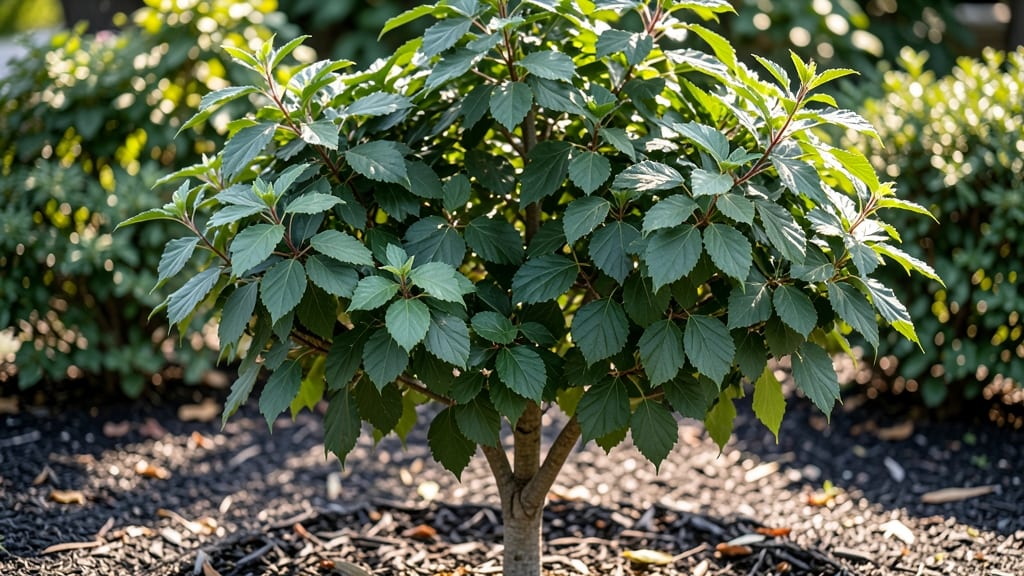
Your Rose of Sharon tree leaves are screaming for attention—yellowing, spotted, or curling like they've seen a ghost. 🌿 The real fix isn't just spraying or fertilizing; it's sharp pruning cuts that heal faster and prevent future stress.
I've seen this tree go from sad to showstopper in one season just by mastering the right cuts.
Start by grabbing bypass pruners (not shears—they crush stems) and focus on clean cuts at a 45-degree angle just above a leaf node. Remove dead, diseased, or crossing branches first, then thin out crowded growth to improve airflow.
The goal? Healthy leaves that bounce back instead of fighting for survival.
📚 In This Guide
- What you need
- Instructions
- Tips and common mistakes
- Wrapping up and next steps
What you need
- ● Pruning shears: Bypass shears (for clean cuts) or anvil shears (for thicker branches). Size: 6–8 inches (for small to medium branches).
- ● Loppers: For branches ½–1½ inches thick. Look for ratcheting or bypass-style for precision.
- ● Pruning saw: For branches 1½+ inches thick. A curved-tooth saw prevents tearing.
- ○ Disinfectant (optional but recommended): 70% isopropyl alcohol or bleach solution (1 part bleach : 9 parts water) to sterilize tools between cuts.
- ● Gloves: Garden gloves (cut-resistant for thorns or rough branches).
- ○ Pruning sealant (optional): For large cuts (>2 inches), use a tree wound sealant to prevent disease.
- ● Ladder or step stool: If your tree is 6+ feet tall. Ensure it’s stable and non-slip.
- ● Trash bags or bucket: For collecting pruned branches and debris.
- ● Timing: Prune in late winter or early spring (before new growth) or right after flowering (summer). Avoid pruning in fall.
- ● Weather: Choose a dry, overcast day to minimize stress on the tree.
- ● Safety gear: Safety glasses (to protect from debris) and long sleeves/pants (for thorn protection).
- ● Tree health check: Inspect for diseased or dead branches before pruning. Remove only 1/3 of the tree’s foliage max per season.
How to use Rose of Sharon tree leaves for pruning
Here's how I transform fallen Rose of Sharon leaves into sharp, natural pruning tools—no store-bought shears needed.
🌿 Step 1: Collect and Prepare Fresh Leaves
Gather healthy, mature leaves from your Rose of Sharon tree in late summer or early fall when they're thick and pliable. Avoid leaves with holes, spots, or yellowing—they won't cut cleanly. I collect them after a light rain when the leaves are naturally hydrated and flexible.
Rinse the leaves under cool water to remove dust or debris, then pat them dry with a clean towel. You'll need about 4-6 large leaves per plant you plan to prune. The thicker the leaf, the sharper the edge will be after processing.
✂️ Step 2: Create Leaf Blades for Cutting
Lay a leaf flat on a clean cutting board. Using a sharp knife or razor blade, slice the leaf lengthwise into ¼-inch strips—these will form your cutting edges. I make 3-4 parallel cuts per leaf to maximize usable blades. The vein structure in Rose of Sharon leaves creates natural serrations that grip stems beautifully.
For thicker stems, fold the leaf strip in half lengthwise before cutting to create a double-edged blade. Test the sharpness by gently pressing against a soft stem—you should see a clean tear rather than a crush. Store unused blades in a paper towel-lined container until ready to use.
💧 Step 3: Apply Proper Technique for Pruning
Hold the leaf blade at a 45-degree angle to the stem you're cutting, just above a leaf node or outward-facing bud. Apply firm, even pressure—don't saw back and forth. You'll feel resistance at first, then a clean snap when the leaf edge bites through the stem.
For larger branches, wrap two leaf blades together to double the cutting power. After each cut, wipe the blade edges with a damp cloth to remove sap and maintain sharpness. This method works best on 1/8-inch to ½-inch diameter stems—thicker branches require traditional shears.
🌱 Step 4: Maintain and Store Your Leaf Shears
After use, rinse the blades with soapy water to remove plant sap, then pat dry with a paper towel. Store them in a sealed container with a damp paper towel to maintain flexibility. I keep mine in a small glass jar in the fridge for up to 3-4 weeks—longer storage makes the leaves brittle.
To refresh dried-out blades, soak them in warm water for 10-15 minutes before use. The leaves will regain some flexibility, though they won't be as sharp as fresh ones. I rotate between 2-3 sets of leaf shears throughout pruning season to always have sharp tools available.
☀️ Step 5: Seasonal Maintenance and Renewal
Replace your leaf shears every 4-6 weeks or when you notice the edges becoming dull or frayed. The best time to harvest fresh leaves is after summer rains when the tree's growth is winding down but leaves remain vigorous.
Compost any used leaves after their cutting life—don't throw them in the yard waste where they might spread disease. I find this method particularly useful for light pruning tasks like shaping shrubs, deadheading flowers, or trimming small branches. For heavy-duty pruning, I still reach for my bypass shears but keep leaf blades handy for quick touch-ups.
Tips & tricks for perfect Rose of Sharon leaf pruning tools
Between us, these leaf shears are a gardener's secret weapon—here's how to make them work even better than the instructions suggest.
Leaf Selection Tip: The secret to sharp blades lies in choosing the right leaves—look for ones with smooth, unblemished surfaces and vibrant green color. I've found that leaves from the middle section of the tree (not the outer edges) tend to be thicker and hold their edge longer. Avoid leaves that have been exposed to direct sunlight for extended periods, as they can become brittle and less effective for cutting.
The Technique That Changed Everything: When slicing your ¼-inch strips in Step 2, make your cuts parallel to the leaf's central vein. This preserves the leaf's natural strength and creates a blade that's both flexible and sharp. For extra durability, I like to lightly sand the edges with fine-grit sandpaper (about 220-grit) after cutting—this removes any rough spots that could dull the blade during use.
Storage Wisdom: That damp paper towel in your storage container isn't just about moisture—it's about creating a humid microclimate that keeps the leaf fibers flexible. I've found that adding a small drop of vegetable oil to the damp towel extends the blades' usability by another week or two. Just be sure to wipe off any excess oil before using them to avoid residue on your plants. The fridge storage time of 3-4 weeks is perfect, but if you're in a humid climate, consider storing them in a sealed container with a silica gel packet instead.
Common Mistake Fix: If your leaf blades start to fray or lose sharpness before the 4-6 weeks, you're likely using them on stems that are too thick or applying uneven pressure. Remember to always cut at the 45-degree angle and use the full length of the blade—short, choppy cuts will wear down the edges quickly. For stubborn stems, try rocking the blade gently side to side while maintaining pressure, rather than forcing it straight through.
Pro Tips for Rose Of Sharon Tree Leaves
- Between us, these leaf shears are a gardener's secret weapon—here's how to make them work even better than the instructions suggest.
- Leaf Selection Tip: The secret to sharp blades lies in choosing the right leaves—look for ones with smooth, unblemished surfaces and vibrant green color.
- The Technique That Changed Everything: When slicing your ¼-inch strips in Step 2, make your cuts parallel to the leaf's central vein.
Frequently asked questions
Got questions about using Rose of Sharon tree leaves for natural pruning or caring for this tree? Here are some common queries—and answers—to help you navigate the process with ease!
Can I use Rose of Sharon leaves as a natural alternative to pruning shears?
While Rose of Sharon leaves aren’t a direct replacement for pruning shears, their fibrous texture can be used as a gentle abrasive for cleaning tools or smoothing rough cuts. For actual pruning, stick to sharp shears or saws—but the leaves make a great eco-friendly polish for tools!
When is the best time to prune a Rose of Sharon tree?
Prune your Rose of Sharon in late winter or early spring (before new growth starts) to avoid stressing the tree. Avoid heavy pruning in fall, as it can encourage tender growth that may not survive winter. Pro tip: Always sterilize your tools with rubbing alcohol to prevent disease!
Why are my Rose of Sharon leaves turning yellow or brown?
Yellowing leaves often signal overwatering or poor drainage, while brown edges may mean underwatering or heat stress. Check soil moisture (it should be slightly dry between waterings) and ensure the tree gets 6+ hours of sunlight daily. If pests like spider mites are present, hose the leaves gently to dislodge them.
Can I propagate Rose of Sharon from cuttings using its leaves?
No—Rose of Sharon (Hibiscus syriacus) doesn’t root from leaves alone. For propagation, use softwood cuttings (4–6 inches long) in early summer, dipping the ends in rooting hormone. Place them in moist sand or perlite, keeping humidity high until roots form (about 4–6 weeks).
How cold-hardy is the Rose of Sharon tree, and do its leaves handle frost?
Rose of Sharon is highly cold-hardy (USDA Zones 4–9), but young leaves may scorch in sudden freezes. Mulch the base in winter to protect roots. If leaves turn black after frost, they’ll regrow once temperatures warm—no need to panic! The tree is resilient.
Wrapping up and next steps
Discovering how to use Rose of Sharon tree leaves as natural pruning shears is a game-changer for eco-conscious gardeners! These flexible, sturdy leaves offer a zero-waste solution for clean cuts, reducing the need for plastic tools.
Whether you’re trimming hedges or shaping shrubs, this method is sustainable, cost-effective, and surprisingly effective—just remember to handle them with care for the best results.
Ready to give it a try? Grab a Rose of Sharon branch, follow the steps, and enjoy the satisfaction of pruning the natural way! 🌿✨