
Pruning
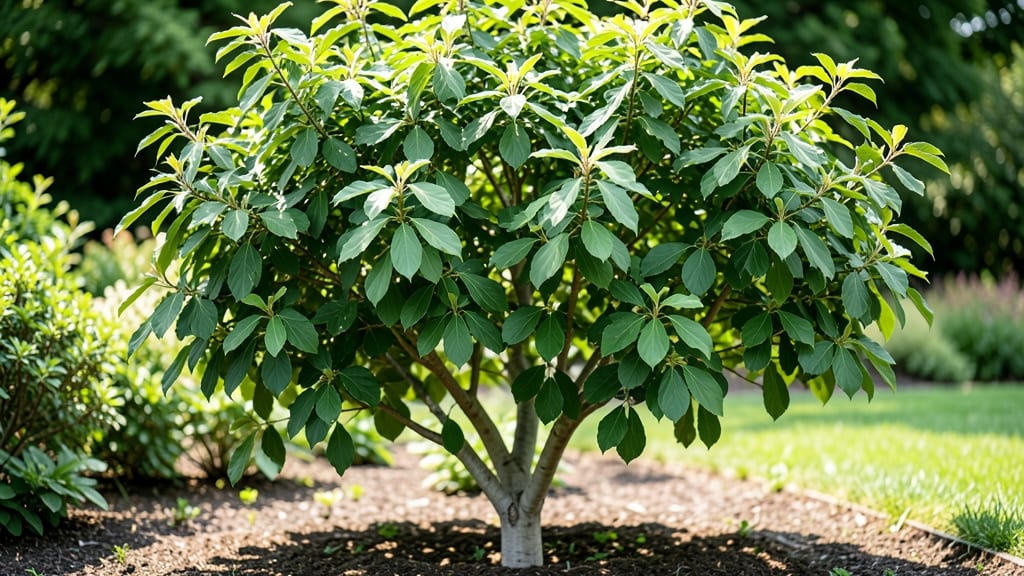
Your dogwood tree’s stubborn green leaves when they should be blazing red or gold?
That’s not just a seasonal quirk—it’s a wake-up call. ✨ The right pruning timing and technique can transform that dull foliage into vibrant, healthy growth that finally shows off its fall colors (or at least stops looking stressed year-round).
Most gardeners overlook pruning as the real culprit—cutting at the wrong time or too aggressively stresses the tree, leaving it stuck in survival mode. Add nutrient imbalances, fungal infections hiding in dense branches, or even overwatering, and you’ve got a tree that refuses to change.
The fix starts with sharp tools, the right season, and a focus on airflow.
By next spring, you’ll see fresh, lush green leaves that actually want to turn color—if you’re in the right zone. The key is thinning branches to let light and air move through, removing deadwood, and feeding the tree just enough to encourage strong growth without smothering it.
Think of it as giving your dogwood a spa day.
This works for both flowering and non-flowering varieties, whether your tree is young or mature. The secret? Less is more—prune lightly in late winter, avoid heavy cuts in summer, and watch how your tree responds. No more guessing games, just healthy foliage that finally does what it’s supposed to.
📚 In This Guide
- What you need
- Instructions
- Tips and common mistakes
- Wrapping up and next steps
What you need
- ○ Pruning shears: Bypass pruners (for clean cuts on small branches, ¼"–½" blade size). Optional: Anvil pruners for thicker branches (up to ¾").
- ● Loppers: 10–12" bypass loppers for branches ½"–2" in diameter.
- ● Pruning saw: Curved-tooth handsaw for branches 2"–4" thick (avoid cheap saws—they tear wood!).
- ● Gloves: Heavy-duty gardening gloves (cut-resistant for thorns or rough bark).
- ● Disinfectant: 70% isopropyl alcohol or bleach solution (1 part bleach to 9 parts water) to sterilize tools between cuts.
- ○ Pruning sealant: Optional but helpful for large cuts (use tree wound paint or pruning wax to prevent disease).
- ● Ladder or step stool: Sturdy, extendable ladder (if your dogwood is over 6 ft tall). Safety first!
- ● Trash bags: Heavy-duty contractor bags (2–3) for collecting pruned branches.
- ● Timing: Prune in late winter or early spring (before buds swell) or summer after flowering (avoid fall—it stresses the tree!).
- ● Weather: Choose a dry, overcast day (wet wood splinters and attracts pests).
- ● Research: Know your dogwood type! Cornus florida (flowering dogwood) has different needs than Cornus kousa (Kousa dogwood).
- ● Safety gear: Eye protection (goggles) and long sleeves/pants (dogwood thorns are sneaky!).
Step-by-step guide to pruning dogwood trees for lush, year-round foliage
Healthy dogwoods thrive when you prune with purpose—here’s how to keep those vibrant leaves year after year.
✂️ Step 1: Time Your Pruning for Optimal Growth
Prune your dogwood in late winter or early spring, just as buds begin to swell but before new growth starts. This timing ensures you remove dead branches while encouraging fresh, healthy foliage. Avoid pruning in fall—it leaves wounds vulnerable to disease over winter.
I like to schedule this task right after the last frost date in my zone. Watch for tight buds forming along the branches—that’s your cue. If you miss this window, wait until summer to remove only diseased or damaged limbs, but avoid heavy pruning then.
🌿 Step 2: Remove Dead, Diseased, or Damaged Branches First
Start by cutting out any branches that are dead, diseased, or crossing others. Use clean, sharp pruners to make cuts at a 45-degree angle, about ¼ inch above a outward-facing bud. This prevents water from pooling and rot from setting in.
Look for branches with blackened tips, peeling bark, or fungal growth—these should go first. If a branch is larger than 2 inches in diameter, use a pruning saw instead. Never leave stubs; precise cuts heal faster and encourage stronger regrowth.
🌱 Step 3: Thin the Canopy for Better Airflow and Light
Step back and assess the tree’s shape. Remove up to 20% of the canopy by selectively thinning branches from the inside outward. This improves airflow, reducing humidity that can lead to powdery mildew or other fungal issues.
Focus on branches that rub against each other or grow inward. Cut these back to a side branch or bud to maintain the tree’s natural form. You’ll see more uniform foliage and fewer bare spots as sunlight reaches all parts of the tree.
☀️ Step 4: Shape for Balance and Encourage New Growth
Now, shape the tree by lightly trimming the outer branches to maintain its natural form. Dogwoods respond well to open-center pruning, so avoid cutting back too aggressively—this can stress the tree and reduce flowering.
Make cuts just above a bud facing the direction you want growth to go. For example, if the branch is growing too upright, cut above a bud that angles outward. Within 4-6 weeks, you’ll see fresh, vibrant leaves emerging from those buds.
🪴 Step 5: Clean Up and Protect for Long-Term Health
After pruning, sterilize your tools with rubbing alcohol to prevent spreading disease. Remove all clippings and debris from the base of the tree to reduce pests and fungal spores. Apply a layer of mulch (2-3 inches thick) around the tree, keeping it 6 inches away from the trunk.
Water deeply after pruning to help the tree recover. Over the next few weeks, monitor for new leaf growth—this is your sign that the tree is healing well. If you notice yellowing leaves or wilting, it may need more water or protection from direct afternoon sun.
Tips & tricks for pruning dogwood trees like a Pro
Pruning your dogwood tree doesn't have to be intimidating—these practical tips will help you achieve that perfect balance of health and beauty.
Timing is Everything: The late winter to early spring window is critical because it allows the tree to heal before summer's heat and pests arrive. I've seen dogwoods stressed by fall pruning develop fungal issues over winter, so never skip this timing. If you absolutely must prune outside this window, summer is your next best option—but only remove diseased or damaged branches, never do heavy shaping.
Tool Prep Saves Trees: Before you even touch a branch, sterilize your pruners with rubbing alcohol. I can't stress this enough—clean tools prevent spreading disease from one cut to the next. Also, make sure your blades are sharp; dull tools crush branches instead of making clean cuts, which slows healing. A quick test: if you're struggling to cut through a pencil with your pruners, they're too dull.
Bud Direction Matters: When making cuts in Step 4, pay attention to bud orientation. The bud you leave behind should face the direction you want new growth to go. I learned this the hard way by accidentally leaving buds facing inward, which created a dense, shaded center. Think of it like planting a garden—you want sunlight to reach all parts of your tree.
Mulch Like a Pro: After pruning, that 2-3 inch layer of mulch isn't just decoration—it's protection. Keep it 6 inches away from the trunk to prevent rot, and use organic mulch that will break down slowly. I've noticed trees with proper mulching recover faster after pruning, especially in hot summers. Just remember: too much mulch can suffocate the roots.
Pro Tips for Dogwood Tree Green
- Pruning your dogwood tree doesn't have to be intimidating—these practical tips will help you achieve that perfect balance of health and beauty.
- Timing is Everything: The late winter to early spring window is critical because it allows the tree to heal before summer's heat and pests arrive.
- Tool Prep Saves Trees: Before you even touch a branch, sterilize your pruners with rubbing alcohol.
Frequently asked questions
When is the best time to prune a dogwood tree for vibrant green leaves?
The ideal time is late winter or early spring (before buds break) or summer after flowering. Avoid pruning in fall—it can stress the tree and invite disease. For year-round greenery, light pruning in late spring helps maintain shape without shocking the tree.
How much can I trim without harming my dogwood tree?
Never remove more than 25% of the canopy in one season. Dogwoods are sensitive—over-pruning weakens growth and reduces flowering. Focus on selective trimming to open the center for airflow, which keeps leaves healthier and greener longer.
Why are my dogwood leaves turning yellow or brown even after pruning?
Yellowing/browning often signals disease (like powdery mildew), pests, or poor drainage. Check for:
- White powder on leaves → Fungal issue (treat with neem oil).
- Holes or chewed edges → Insects (use insecticidal soap).
- Soggy soil → Root rot (improve drainage).
Can I prune a dogwood tree in winter for spring greenery?
Yes, but wait until late winter (after frost risk passes). Pruning too early can expose tender wood to cold damage. If you must prune in winter, cover cuts with pruning sealant to protect against sunscald.
Are there dogwood alternatives that stay greener with less maintenance?
If your dogwood struggles to stay lush, try:
- Kousa dogwood (Cornus kousa) – More disease-resistant and retains leaves well.
- Oakleaf hydrangea – Glossy foliage and adaptable to pruning.
- Serviceberry (Amelanchier) – Tolerates pruning and stays vibrant.
Wrapping up and next steps
Your dogwood tree’s vibrant green foliage is a testament to your care—and now, you’re armed with the pruning secrets to keep it thriving! Remember, timing, technique, and tools are your best friends.
Start small, stay consistent, and always prioritize health over aesthetics to ensure your tree stays lush and resilient year-round.
Ready to put your new skills to work? Grab your pruners and schedule that first trim! 🌿 With patience and practice, your dogwood will reward you with stunning, year-round greenery that turns heads in every season.