
Pruning
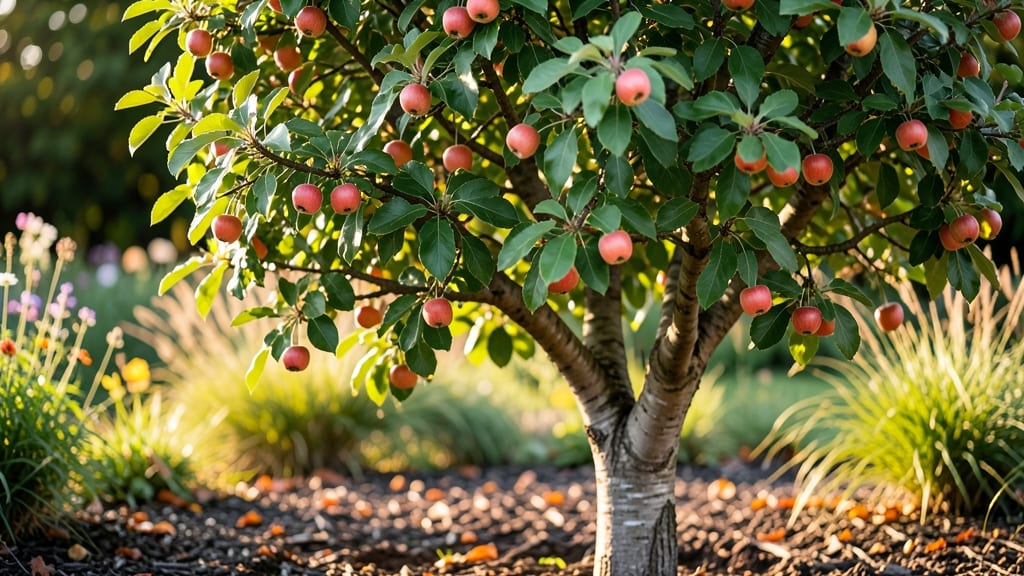
Summer pruning your crabapple tree keeps it looking like a showstopper all year—without losing next spring’s blooms. ✂️ I learned the hard way that cutting too late can stunt flowers, but there’s a sweet spot for shaping while still letting the tree thrive in the heat.
The key is timing: prune right after blooms fade but before summer’s worst heat. Thin out crowded branches first—this improves airflow and cuts down on powdery mildew. Water deeply every 10-14 days, and mulch to keep roots cool and moist.
You’ll end up with a tree that stays lush and full, even in July’s heat. The branches will hold their shape, and the tree will bounce back stronger for next year’s blossoms. Plus, fewer pests mean less work later.
Works for both ornamental varieties and fruit-bearing crabapples. Here’s how to do it without stressing the tree—and still enjoy those signature spring blooms.
📚 In This Guide
- What you need
- Instructions
- Tips and common mistakes
- Wrapping up and next steps
What you need
- ● Pruning shears: Bypass pruners (sharp, 6–8" blades) for small branches (1/4" thick). Pro tip: 💡 Sanitize blades with rubbing alcohol between cuts to prevent disease!
- ● Loppers: 1 pair (8–10" blades) for medium branches (1/4"–1.5" thick). Look for ratcheting or bypass types for precision.
- ● Pruning saw: 1 handheld saw (8–10" blade) for thick branches (1.5"–3" thick). Bow saws work best for crabapple wood.
- ● Gloves: 1 pair of cut-resistant, breathable gloves (e.g., Mechanix or heavy-duty gardening gloves).
- ● Ladder: Extendable or step ladder (16–24 ft tall, depending on tree height). Safety first: Use stabilizers and never overreach!
- ○ Disposable pruning bags: 2–3 large bags (15–20 gallon) to collect debris. Optional: A tarp underneath for easy cleanup.
- ● Sealing wax: 1 small tube of tree wound pruning sealant (e.g., Tanglefoot Tree Wound Pruning Seal). Use sparingly—only on cuts >1" in diameter.
- ● Weather check: Prune on a dry, cloudy day (avoid extreme heat or wind). Ideal temps: 60–85°F (15–29°C).
- ● Tree health assessment: Inspect the tree for disease (e.g., fire blight, powdery mildew) or pests. Skip pruning if issues are severe—consult an arborist!
- ● Safety gear: Safety glasses (1 pair) and ear protection (if using a chainsaw for very thick branches).
- ● First-aid kit: Bandages and antiseptic wipes (just in case).
- ● Pole saw: For high branches without a ladder (12–16 ft reach).
- ● String or chalk: To mark branches for removal before cutting.
- ● Tree growth regulator: 1 bottle of hormonal rooting powder (e.g., Clonex) if propagating cuttings.
- ● Camera/phone: To document the tree’s shape before and after pruning.
Instructions for summer pruning your crabapple tree
Summer pruning keeps your crabapple tree lush while preserving those showstopping spring blooms.
🌿 Step 1: Identify the Right Branches to Trim
Start by scanning your tree for branches that cross or rub against each other—these are prime candidates for removal. You’ll spot them easily because they’ll have small wounds or callused areas where they’ve been damaging the bark. Look for branches growing straight up too, as they compete with the main leader and weaken the tree’s structure.
Next, focus on any branches that are dead, diseased, or clearly dying. They’ll appear brown and brittle, or they might have no leaves at all. These should be pruned out completely to prevent pests or disease from spreading to healthy branches. I like to do this first—it’s like giving your tree a fresh start before any cosmetic trimming.
✂️ Step 2: Use Proper Tools and Technique
Grab your sharp bypass pruners for branches up to ½ inch thick, and a pruning saw for anything thicker. Dull tools tear bark and leave jagged edges, which invite infections. Always make your cuts just outside the branch collar—the swollen area where the branch meets the trunk. This ensures the wound heals properly.
Cut at a 45-degree angle if you’re removing a branch larger than ¾ inch thick, but for smaller branches, a straight cut works fine. Avoid leaving stubs—these can rot and weaken the tree. If you’re unsure where to cut, trace the branch’s outline with your thumb before making the cut to avoid over-pruning.
☀️ Step 3: Prune for Airflow and Light
Now, focus on thinning out the canopy to improve airflow and sunlight penetration. Remove about 20-25% of the smallest branches—these are the ones growing inward or too densely. You’ll see them easily because they’ll have fewer leaves and might look spindly. This step is crucial for preventing fungal diseases like apple scab, which thrives in shady, damp conditions.
Step back frequently to assess the tree’s shape. Your goal is to create an open, vase-like structure that allows light to reach the center. If you’re unsure, imagine sunlight streaming through the branches—any area that blocks light too much needs thinning. Avoid heavy pruning in one spot; instead, make small cuts all over the tree to maintain balance.
🪴 Step 4: Clean Up and Monitor
After pruning, rake up and dispose of all debris—especially branches with signs of disease. Don’t compost them; instead, bag them and throw them away to prevent reinfesting your tree. Wipe down your tools with rubbing alcohol to kill any lingering spores or bacteria.
Keep an eye on your tree over the next few weeks. If you see any new growth sprouting from the base of a cut (called "water sprouts"), prune them out as soon as they appear. These compete with the main branches for nutrients and can weaken the tree’s structure. Water your tree deeply after pruning to help it recover, especially if the summer has been particularly dry.
⏰ Step 5: Schedule Follow-Up Pruning
Summer isn’t the only time to prune—plan for a light cleanup in late winter or early spring before new growth starts. This is when you’ll address any missed branches or new issues that arose after your summer pruning. Mark your calendar now so you don’t forget!
If your tree looks stressed after pruning, don’t panic. Crabapples are resilient, and as long as you’ve followed the right techniques, it’ll bounce back beautifully. Just give it time, and you’ll be rewarded with even more vibrant blooms and fruit next season.
Tips & tricks for perfect summer pruning of crabapple trees
Here's what nobody tells you about keeping your crabapple tree healthy through summer—these tricks will make all the difference for long-term growth.
Tool Selection Matters: I've learned this the hard way after ruining three pruning sessions with dull tools. Always use sharp bypass pruners for branches up to ½ inch thick—they make clean cuts that heal faster. For anything thicker, switch to a pruning saw with a fine-tooth blade. Dull tools crush bark instead of cutting cleanly, which invites infections and slows recovery.
Visual Cues for Healthy Cuts: When making cuts outside the branch collar in Step 2, look for that swollen ridge where the branch meets the trunk. Your cut should be just beyond this collar, following the natural angle of the branch. This creates the best healing response. If you're unsure, trace the branch outline with your thumb before cutting—it'll show you exactly where to make the cleanest possible cut.
Thinning Strategy: The 20-25% guideline for thinning in Step 3 is your safety net, but don't be afraid to go slightly higher if your tree looks particularly dense. Focus on removing branches that grow inward or cross others—these are the ones that block sunlight and create dark, damp conditions where fungal diseases thrive. Think of it like opening a window in a stuffy room: you want that airflow!
Post-Pruning Care: After cleaning up, don't just toss those pruned branches in your compost pile. Diseased branches should go straight to the trash to prevent reinfesting your tree. Wipe down your tools with rubbing alcohol—it's a quick way to kill any lingering spores or bacteria that could spread to healthy branches. This simple step has saved me from dealing with repeat infections.
Pro Tips for Crabapple Tree Summer
- Here's what nobody tells you about keeping your crabapple tree healthy through summer—these tricks will make all the difference for long-term growth.
- Tool Selection Matters: I've learned this the hard way after ruining three pruning sessions with dull tools.
- Visual Cues for Healthy Cuts: When making cuts outside the branch collar in Step 2, look for that swollen ridge where the branch meets the trunk.
Frequently asked questions
about crabapple tree summer pruning—because even the pros need a little guidance! Here are answers to the most common queries to help you keep your tree thriving while maintaining that stunning summer shape.When is the exact best time to prune a crabapple tree in summer?
The ideal window is late spring to early summer (May–June), right after flowering but before new growth hardens. Avoid pruning when temperatures exceed 85°F—stress weakens the tree. If you miss this, wait until fall (September–October) for light shaping only.
How much can I trim without hurting my crabapple tree?
Limit summer pruning to 10–15% of the tree’s canopy per year. Over-pruning stresses the tree and can reduce next year’s blooms. Focus on removing only dead, crossing, or overcrowded branches. For heavy pruning, split it into two sessions (spring + fall) with a 6–8 week gap.
Why are my crabapple leaves curling after summer pruning?
Curling leaves usually signal stress or pests. If pruned correctly, it’s likely temporary shock—water deeply and avoid fertilizing for 4–6 weeks. Check for aphids, spider mites, or scale insects (common after pruning). Spray with horticultural oil if needed, or consult a local arborist for targeted solutions.
Will summer pruning kill next year’s flowers?
Not if done right! Crabapples bloom on old wood, so pruning after flowering (late spring/early summer) preserves buds. Avoid heavy cuts in late summer or fall, as new growth won’t harden enough for winter blooms. Light shaping is safe—just never prune when buds are forming (typically August–September).
Can I replace a crabapple tree with a different fruit tree for easier pruning?
If pruning feels overwhelming, consider dwarf fruit trees (like columnar apples or ornamental cherries) or non-fruiting alternatives like ornamental cherries (Prunus serrulata) or serviceberry (Amelanchier). These require less aggressive pruning while still offering stunning summer foliage and fall color. Just ensure they fit your space and climate!
Pro Tip:
Mark your calendar! June 1–15 is prime time for summer pruning—cooler temps and active growth mean faster healing. Use a sharp bypass pruner and seal cuts with pruning sealant (optional but helpful for large branches) to prevent disease.
Wrapping up and next steps
Your crabapple tree is ready to shine this summer—and beyond!
With the right pruning techniques, you’ve got the power to shape its growth, boost its health, and preserve those stunning blooms for years to come. 🌳✨ Whether you’re a pruning pro or just starting, every careful cut brings you closer to a tree that’s both beautiful and well-balanced.
Now’s the perfect time to schedule your next session. Grab your tools, mark your calendar, and give your crabapple tree the love it deserves—your future summer garden will thank you! 🌞💚