
Pruning
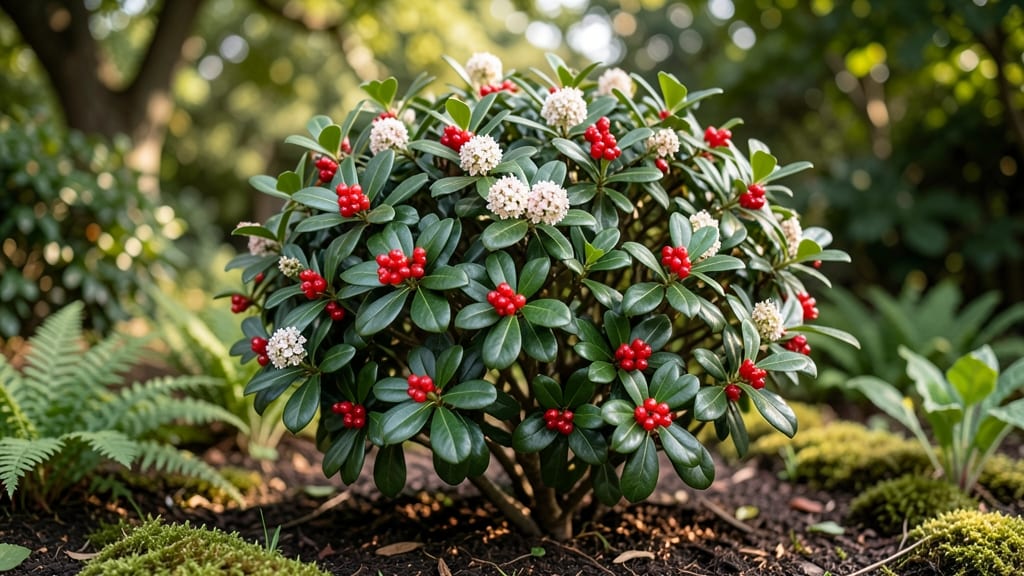
Your yard could look like a holiday postcard all year long. 🎄 The Christmas tree shrub is the secret weapon for instant privacy and festive charm—whether you're framing a patio or masking an unsightly view. These evergreen shrubs grow like living trees but stay compact enough for small spaces.
The magic happens in pruning: shape them in early spring while new growth is tender, and you'll see that classic conical form emerge. Varieties like Thuja occidentalis 'Smaragd' or Abies koreana 'Korean Fir' stay lush and symmetrical with minimal effort.
I've pruned mine the same way for five years, and they've never looked better. You'll end up with a year-round privacy screen that doubles as a holiday centerpiece. Add twinkling lights in winter, or let it anchor a garden bed with spring bulbs at its base.
The possibilities are endless for both function and festive flair. Works in sun to partial shade, from city yards to rural landscapes. Here's how to keep them looking their best through every season.
📚 In This Guide
- What you need
- Instructions
- Tips and common mistakes
- Wrapping up and next steps
What you need
- ● Pruning shears: Bypass pruners (for small branches, 1–2 pairs)
- ● Loppers: For thicker branches (1 pair, 6–8" cutting capacity)
- ● Hand pruners: For precision trimming (1 pair, sharp blades)
- ● Gloves: Heavy-duty gardening gloves (1 pair)
- ● Disinfectant: 70% isopropyl alcohol or pruning sealant (small bottle)
- ● Sharpie or marker: For labeling cuts (1)
- ● Ladder or step stool: If shrub is 6+ feet tall
- ● Trash bags: For cleanup (2–3 large bags)
- ○ Water: Small spray bottle or hose (optional but helpful)
- ● Extension pole pruners (for tall shrubs)
- ● Pruning saw (for stubborn, thick branches)
- ● Hedge shears (for shaping dense foliage)
- ● Plant food or fertilizer (post-pruning boost)
- ● Camera or phone (to document progress!)
Step-by-step guide to pruning your Christmas tree shrub
Transform your shrub into a lush, year-round privacy screen with these simple shaping techniques.
✂️ Step 1: Assess the Current Shape and Growth
Start by examining your Christmas tree shrub from all sides—step back 10 feet to spot uneven growth or bare spots. Look for new growth at the tips of branches, which is where you’ll focus your pruning. I always prune in early spring, just as buds begin to swell, because that’s when the plant is most responsive to shaping.
Run your hands along the branches to feel for tight clusters of growth. These areas need thinning to improve airflow and sunlight penetration. Mark any branches growing inward or crossing others with a small piece of twine—these will be your first cuts. The goal is to create a pyramidal shape that mimics a traditional Christmas tree.
✂️ Step 2: Thin Out Crowded Branches
Using clean, sharp pruning shears, cut back any branches that are growing inward or rubbing against others. Start at the outer edges of the shrub and work your way inward. I like to remove about one-third of the smallest branches first—this opens up the center and lets light reach the lower branches, which encourages fuller growth.
Don’t worry about making the cuts perfect; the shrub will fill in naturally. If you’re unsure which branches to remove, follow the "thirds rule"—cut back branches that are one-third as thick as your thumb or smaller. This prevents damaging the shrub while still achieving the desired shape. After thinning, step back again to check for balance.
✂️ Step 3: Shape the Pyramidal Form
Now focus on refining the pyramidal silhouette. Use your shears to trim the top third of the shrub first, cutting branches back to just above a leaf bud or side branch. This ensures the cut encourages new growth in the right direction. For the middle third, trim branches to create a gradual taper, and for the bottom third, trim lightly to maintain a wider base.
Here’s the thing—never cut more than one-third of the shrub’s total foliage at once. Over-pruning stresses the plant and can lead to sparse growth. If you’re working with a mature shrub, spread the shaping over two years to avoid shock. After each cut, wipe your shears with rubbing alcohol to prevent spreading disease between branches.
🌿 Step 4: Clean Up and Encourage New Growth
Once you’ve finished shaping, remove all dead, diseased, or crossing branches—these are easy to spot because they’re brown, brittle, or lack leaves. Dispose of these clippings immediately to prevent pests or fungi from lingering. For the remaining cuts, make sure they’re clean and angled slightly away from the branch to allow water to run off.
After pruning, give your shrub a deep watering to help it recover. You’ll notice new growth emerging within 4-6 weeks, especially if you pruned just as buds were swelling. To encourage even growth, apply a balanced fertilizer (like 10-10-10) in early spring and again in early summer. This keeps the shrub lush and supports the dense, tree-like shape you’re aiming for.
⏰ Step 5: Maintain Shape Through the Year
Lightly trim any wayward branches twice a year—once in late spring and again in early fall—to keep the shape intact. Avoid heavy pruning in fall, as new growth won’t have time to harden off before winter. In winter, you can do a light shape-up if needed, but avoid heavy cuts during dormancy.
Watch for new shoots growing at the base of the shrub—these are your signal to thin out any that are crowding the main structure. Over time, your Christmas tree shrub will develop a dense, evergreen canopy that provides privacy year-round. The key is patience; with consistent care, it’ll look like a professional landscaper did the work!
Tips & tricks for perfect Christmas tree shrub pruning
These simple yet game-changing tricks will help you transform your shrub into a stunning privacy screen without the guesswork.
The Right Time Matters: Early spring is your golden window for pruning—just as those buds begin to swell. This timing ensures the plant is actively growing and can recover quickly. If you miss this window, wait until late winter when the shrub is still dormant. Never prune in fall, as new growth won't have time to harden off before winter. I've learned this the hard way after seeing shrubs struggle to recover when pruned too late.
Visual Cues for Perfect Cuts: When shaping in Step 3, look for the leaf bud or side branch just below where you're cutting. This ensures you're making clean cuts that encourage new growth in the right direction. For the top third, aim to create a pointy peak—imagine a classic Christmas tree! For the middle and bottom, taper gradually to maintain that elegant pyramid shape. The key is to step back every few minutes to check your progress from all angles.
Tool Maintenance is Critical: Always clean your pruning shears with rubbing alcohol between cuts to prevent spreading disease. I keep a small bottle of alcohol in my gardening toolkit and wipe down shears after every 5-10 cuts, especially when working with diseased branches. Sharp tools make cleaner cuts, which heal faster and reduce the risk of infection. A dull pair of shears can tear branches, causing more damage than good.
Post-Pruning Care Wins: That deep watering after pruning isn't just a suggestion—it's essential. The shrub needs moisture to recover from the stress of cutting. I also recommend applying a balanced fertilizer (like 10-10-10) within a week of pruning to give it a nutrient boost. You'll notice new growth emerging within 4-6 weeks if you've timed everything right. This is when your shrub truly starts looking like that professional landscaper's work!
Pro Tips for Christmas Tree Shrub
- These simple yet game-changing tricks will help you transform your shrub into a stunning privacy screen without the guesswork.
- The Right Time Matters: Early spring is your golden window for pruning—just as those buds begin to swell.
- Visual Cues for Perfect Cuts: When shaping in Step 3, look for the leaf bud or side branch just below where you're cutting.
Frequently asked questions
Got questions about keeping your Christmas Tree Shrub looking its best? We’ve got answers! Whether you’re a newbie or a seasoned pruner, these FAQs will help you tackle common challenges and keep your shrub thriving year-round.
When is the best time to prune my Christmas Tree Shrub?
The ideal time to prune is late winter or early spring, just before new growth begins (February–March in most climates). This encourages healthy, dense foliage for the holiday season. Avoid heavy pruning in fall—it can stimulate tender new growth that won’t survive winter frost. Pro tip: Lightly shape it in summer if needed, but keep cuts minimal to avoid stressing the plant.
How much can I trim without harming the shrub?
You can safely remove up to one-third of the plant’s total volume in a single session, but spread it out if possible. For a Christmas Tree Shrub, focus on selective pruning—trim back overgrown branches to maintain its conical shape while preserving the lower foliage for density. Warning: Avoid "shearing" (cutting uniformly all over)—this can lead to a leggy, sparse look.
Can I prune my shrub to look like a Christmas tree year-round?
The Christmas Tree Shrub (like Podocarpus or Thuja varieties) is bred for this look, but it requires consistent shaping. Prune annually to maintain its triangular form, and use a string guide for symmetry. For a fuller base, avoid trimming the lower branches too aggressively—this is where new growth emerges.
What should I do if my shrub looks brown or sparse after pruning?
Brown patches or sparse growth often mean over-pruning, underwatering, or winter burn. If you cut too much, the shrub may struggle to recover—stick to the one-third rule. Check soil moisture (they prefer well-draining, slightly acidic soil) and mulch to retain moisture. For winter damage, trim back dead branches in spring and fertilize lightly to encourage new growth.
Are there alternatives to pruning for shaping my shrub?
While pruning is the best way to shape your Christmas Tree Shrub, you can train young plants with stakes or strings to grow in the desired form. For mature shrubs, topiary techniques (like using a wire frame) can help maintain shape with minimal cutting. However, regular pruning is still key for health and density.
Wrapping up and next steps
Transforming your Christmas tree shrub into a lush, year-round privacy screen or sculpted masterpiece is totally within reach! With the right tools, timing, and techniques—like pruning in late winter or shaping gradually—you’ll enjoy a vibrant, healthy shrub that keeps gifting you beauty season after season. 🌿✨
Ready to roll up your sleeves? Start small: tackle one section at a time, and soon, your shrub will be the star of your outdoor space. Happy pruning!