
Pruning
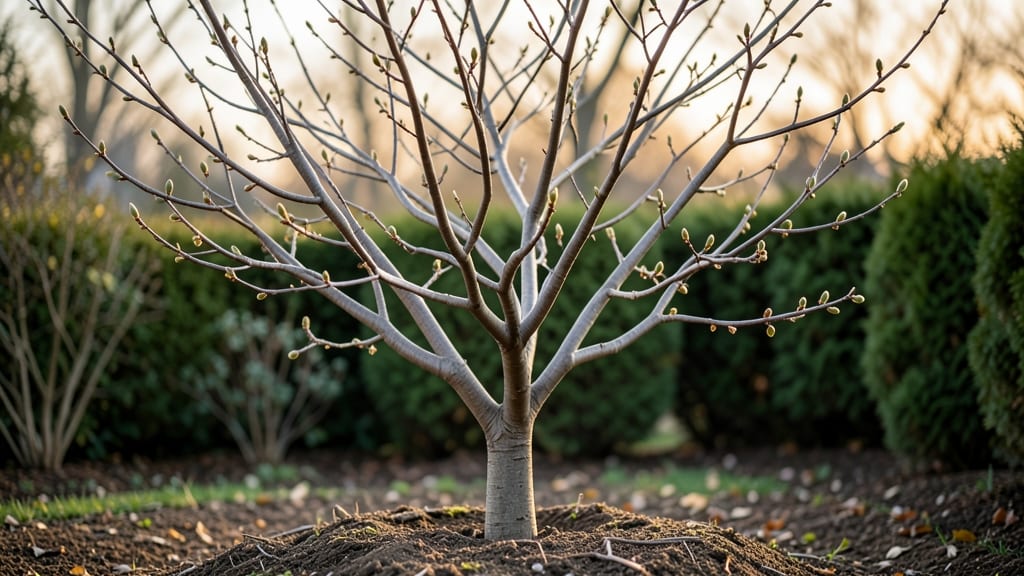
Winter pruning your Chinese fringe tree is the secret to those show-stopping spring blooms. 🌿 This deciduous stunner thrives in cold climates, but the right dormant-season cuts make all the difference—especially when your goal is to encourage next year's dramatic, fringe-like flowers.
The tree's natural winter beauty—those striking exfoliating bark and persistent buds—actually gives you a head start. Prune too late, and you risk cutting off next spring's flower buds before they're ready. The ideal time is late winter, right after the worst cold snaps but before new growth starts.
A sharp pair of pruners and a clear day are all you need. You'll end up with a tree that bursts into bloom like clockwork, its cascading white flowers drawing every neighbor's attention.
The pruning itself takes 20-30 minutes and focuses on removing dead wood, thinning crowded branches, and shaping for airflow. No fancy tools required—just a steady hand and an eye for structure. Works perfectly for gardeners in USDA zones 4-8, where winter chill is part of the tree's charm.
Here's how to do it right without sacrificing next year's floral display.
📚 In This Guide
- What you need
- Instructions
- Tips and common mistakes
- Wrapping up and next steps
What you need
- ● Pruning shears: Bypass pruners (for small branches, ¼"–¾" diameter) – 1 pair (sterilized with rubbing alcohol).
- ● Loppers: For medium branches (¾"–2" diameter) – 1 pair (with a 4–6 ft. reach for taller trees).
- ● Pruning saw: For thick branches (>2") – 1 saw (bow or folding saw with fine teeth).
- ● Gloves: Heavy-duty, cut-resistant (e.g., Mechanix or Cooper brand) – 1 pair.
- ● Disinfectant: 70% isopropyl alcohol or bleach solution (1 part bleach : 9 parts water) – small spray bottle.
- ○ Pruning sealant: (Optional but recommended for cuts >½") – 1 small tube (e.g., Tanglefoot Tree Wound Pruning Seal).
- ● Ladder: Extendable or step ladder (height depends on tree size; 8–12 ft. recommended for mature trees).
- ● Safety gear: Safety glasses and long sleeves/pants (to protect from thorns and debris).
- ● Trash bags: Heavy-duty for debris collection – 2–3 bags.
- ○ Notebook & pen: To sketch pruning notes or mark cuts (optional but helpful!).
- ● Tree pruning guide: A branching structure diagram of your tree (download free templates online!).
- ● Rake or leaf blower: For clearing fallen debris post-pruning.
- ● Sharpener: For keeping blades in top condition (e.g., Fiskars pruner sharpener).
- ● Pruning rope: (For large branches) – 1 roll (to guide heavy limbs to the ground).
- ● Camera: Snap before/after photos to track progress!
Instructions for pruning Chinese fringe trees in winter
Winter’s dormant season is the perfect time to shape your fringe tree for stronger spring blooms.
✂️ Step 1: Assess the Tree’s Structure and Identify Dead or Weak Branches
Start by examining the tree’s overall form, looking for branches that are crossing, rubbing, or growing inward. These create weak points where bark can tear or disease can enter. I always use a small pruning knife to gently scrape the bark at the base of suspicious branches—healthy bark feels firm and smooth, while dead or diseased wood is soft or crumbly.
Next, scan for branches that are smaller than a pencil in diameter or those growing straight up from the main trunk. These vertical "water sprouts" compete with the tree’s energy and rarely produce flowers. Mark these with a piece of twine or flagging tape so you don’t accidentally cut healthy growth later.
Here’s the thing—Chinese fringe trees (Chionanthus retusus) naturally grow with a layered, tiered shape. Preserve that by keeping the lowest branches at least 12 inches above the ground to allow for easy maintenance and airflow at the base.
✂️ Step 2: Remove Dead, Diseased, or Damaged Wood First
Using clean, sharp pruning shears, cut out any branches that are dead, diseased, or broken at their point of origin. Make your cuts just outside the branch collar—the swollen area where the branch meets the trunk. This ensures the tree can seal the wound quickly and prevents decay from creeping into the trunk.
For larger branches over ½ inch thick, use a pruning saw to avoid tearing the bark. I like to make a small notch on the underside of the branch, about 1/3 of the way through, before completing the cut from the top. This prevents the branch from splitting as you remove it.
Don’t rush this step. Take your time to step back and visualize how each cut affects the tree’s balance. You’ll see the skeleton of the tree’s natural form emerge as you go—this is your guide for the next steps.
✂️ Step 3: Thin Out the Canopy for Better Airflow and Light Penetration
Now focus on thinning the canopy by removing 20-30% of the smaller branches to improve airflow and sunlight exposure. Start at the outer edges and work your way inward, cutting branches that are growing too densely or blocking light from reaching the center of the tree.
Look for branches that are growing in the same direction as others—they create a "crowded" look and reduce flower production. Remove every other branch in clusters to open up the tree’s structure. You’ll notice how the remaining branches perk up almost immediately, as if relieved of competition.
For Chinese fringe trees, aim to maintain a rounded, vase-like shape rather than a flat-topped or conical form. This encourages the tree to produce flowers along the branches rather than just at the tips. If you’re unsure, snap a photo before you start—you’ll thank yourself later for having a reference.
✂️ Step 4: Shape the Tree for Optimal Bloom Display
Chinese fringe trees are prized for their spectacular spring blooms, so now’s the time to shape the tree to maximize their impact. Focus on reducing the height by no more than 10% to avoid stressing the tree. Cut just above an outward-facing bud to encourage new growth in the direction you want.
If your tree has become too tall or leggy, you can head back the main branches by cutting just above a strong lateral branch or bud. This encourages the tree to bush out and produce more flowers. Just be patient—it may take a year or two for the tree to fully adjust to its new shape.
Real talk: If you’re pruning a young tree (under 10 years old), you can be more aggressive with shaping. Mature trees, however, respond better to gradual changes. Always step back and admire your work—you’re sculpting a living piece of art.
✂️ Step 5: Clean Up and Protect the Tree for Spring
After pruning, gather all the debris and dispose of it in a sealed bag or burn pile—never leave cuttings on the ground under the tree. This prevents pests and diseases from taking hold over winter. I also like to sterilize my pruning tools with 70% rubbing alcohol or a 10% bleach solution to kill any lingering pathogens.
Apply a thin layer of mulch around the base of the tree, keeping it 3-4 inches away from the trunk to prevent moisture buildup. Use 2-3 inches of organic mulch, like shredded bark or wood chips, to insulate the roots and retain moisture. This is especially important if you’re in a region with freezing winters—the mulch acts like a blanket for the soil.
Finally, give the tree a deep watering before the ground freezes to ensure it has enough moisture to sustain itself through the dormant season. You’ll see how the soil holds moisture better with the mulch in place, which means less work for you come spring.
Tips & tricks for perfect Chinese fringe tree winter pruning
Winter pruning transforms your fringe tree into a spring bloom powerhouse—here’s how to avoid costly mistakes and elevate your results.
Visual Assessment First: In Step 1, when identifying branches to remove, use a small mirror or extendable pole to inspect hard-to-reach areas. I’ve caught hidden dead branches this way that would’ve gone unnoticed until spring—preventing potential disease spread. For water sprouts (those pencil-thin vertical branches), snap a photo before cutting to visualize the tree’s natural shape afterward. This reference becomes your guide for maintaining that elegant tiered form.
Precision Cutting Technique: When making cuts in Step 2, especially on branches over ½ inch thick, use the "three-cut method" for clean results: First, make an undercut about 1/3 of the way through the branch from the bottom. Then, cut through the branch from the top, leaving a small stub. Finally, make a third cut to remove the stub flush with the branch collar. This prevents bark tearing and creates a smoother wound closure.
Canopy Thinning Strategy: In Step 3, when removing 20-30% of smaller branches, prioritize branches growing directly toward the tree’s center. These create dense clusters that block sunlight and airflow. I like to work in sections—start at the outer edges and move inward—so I can see how each cut affects the overall structure. For every branch you remove, ask: "Does this improve light penetration or airflow?" If not, reconsider.
Seasonal Timing Insight: While winter is ideal, prune only when temperatures are consistently above freezing (32°F) for at least 24 hours. Cold snaps can stress the tree, especially after major cuts. If you’re in a region with unpredictable winters, schedule your pruning for late winter when spring is clearly on the horizon. This timing ensures the tree can heal properly before new growth begins.
Pro Tips for Chinese Fringe Tree In Winter
- Winter pruning transforms your fringe tree into a spring bloom powerhouse—here’s how to avoid costly mistakes and elevate your results.
- Visual Assessment First: In Step 1, when identifying branches to remove, use a small mirror or extendable pole to inspect hard-to-reach areas.
- Then, cut through the branch from the top, leaving a small stub.
Frequently asked questions
about Chinese fringe tree winter care—because even winter warriors need answers!When is the exact best time to prune my Chinese fringe tree?
The ideal window is late winter (February to early March) while the tree is still dormant but before new growth begins. Aim for 3–4 weeks before your last frost—this ensures buds aren’t damaged by late cold snaps. If you miss this, early spring (before leaves emerge) is the next best option.
Will pruning in winter hurt my tree’s spring blooms?
Not if done correctly! Chinese fringe trees (Chionanthus retusus) bloom on old wood, so avoid cutting back too aggressively. Focus on removing dead, crossing, or weak branches—this enhances next year’s flowers. Just skip heavy structural pruning until after blooming season.
How much can I trim without overdoing it?
For first-timers, limit cuts to 15–20% of the tree’s canopy. Target:
- Dead/diseased wood (cut to the branch collar)
- Branches rubbing together
- Suckers at the base (remove entirely)
What if my tree looks sad after pruning? Should I panic?
Not necessarily! A leggy or sparse look post-prune is normal—focus on new growth in spring. If branches don’t regrow by late May, they may be severely damaged. In that case, prune those branches back further next winter. Yellow leaves? Likely just winter stress; water deeply if soil is dry.
Are there alternatives to winter pruning for lazy gardeners?
If winter pruning feels intimidating:
- Light shaping in early spring (after blooms fade) works for maintenance.
- Use hand pruners for small branches—no ladder needed!
- Let the tree grow wild for 1–2 years, then prune selectively in winter.
Wrapping up and next steps
Winter is the perfect time to revitalize your Chinese fringe tree—and with the right pruning techniques, you’ll set the stage for stunning spring blooms and a healthier tree. Remember, patience and precision are key: focus on removing dead wood, thinning out crowded branches, and shaping with care.
Your efforts will pay off in vibrant purple plumes and lush foliage come spring! 🌸
Ready to transform your tree? Grab your pruners and get started! If you’re unsure about any steps, consult a local arborist or revisit our guide for a refresher. Happy pruning—your garden will thank you! ✂️🌿