
Light Requirements
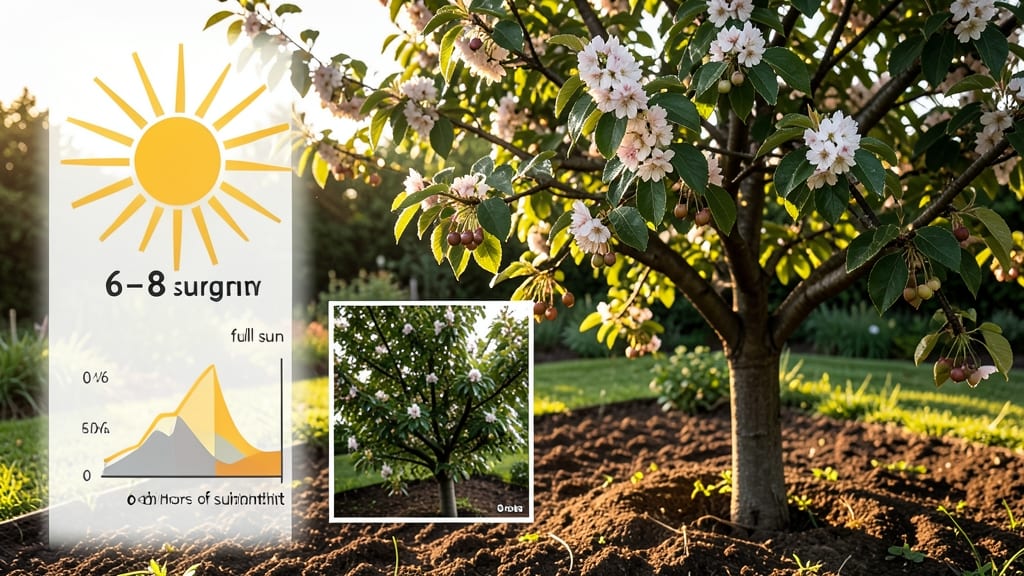
The cherry tree sun requirements are critical to growing a productive, healthy tree—at least 6 hours of direct sunlight daily, with more yielding bigger harvests.
Struggling to grow a thriving cherry tree? Sunlight is the #1 factor determining whether your tree will produce lush foliage and sweet fruit—or struggle to survive. Without enough light, branches grow weak, leaves yellow, and fruit production drops dramatically.
Most gardeners assume any sunny spot will work, but cherry trees are picky about light quality. They need morning sun to dry dew quickly (preventing fungal diseases) and afternoon sun to ripen fruit properly. Too much harsh afternoon heat, though, can scorch leaves—especially in hot climates.
In this guide, I’ll break down exactly how much sun cherry trees need by variety, how to position them for maximum growth, and how to adjust light exposure for young vs. mature trees. You’ll learn how to spot sun stress early and keep your tree healthy and productive for years.


How many hours of sun do cherry trees need for optimal growth?
If you're dreaming of a bountiful cherry tree loaded with juicy fruit, sunlight is your secret weapon. Cherry trees—whether sweet or sour varieties—thrive on ample light, but the exact needs vary.
Understanding these requirements will help you avoid common pitfalls like poor fruit set or stunted growth. Let’s break down the sunlight hours your cherry tree craves and how to meet them year-round.
Most cherry trees demand 6 to 8 hours of direct sunlight daily for peak performance. However, sour cherries (like Montmorency) often tolerate slightly less light than sweet cherries (like Bing or Rainier). The difference?
Sweet cherries rely on full sun to develop their signature sweetness and vibrant colors, while sour cherries can adapt to partial shade—though fruit quality may suffer. Let’s dive into the specifics to ensure your tree gets just the right amount.
🌱 Visual Guide: Cherry Tree Sunlight Requirements
Seasonal adjustments are key, especially in hot climates or regions with intense summer sun. Cherry trees can suffer from sunburn if exposed to sudden, harsh light after winter dormancy.
To prevent this, gradually introduce your tree to full sun in early spring, especially if it’s been sheltered during winter. Think of it like giving your tree a sun tan—slow and steady wins the race!
Watch for leaf scorch or yellowing edges as signs of too much sun. These symptoms often appear as crispy, brown patches on leaves, especially during peak summer heat. On the flip side, pale green leaves or stunted growth signal insufficient light.
If your tree’s leaves look like they’re throwing a shade party, it’s time to relocate or prune nearby obstacles to let more light in.
For container-grown cherry trees, sunlight needs are even more critical due to limited root space. Place pots in the sunniest spot available, and rotate them occasionally to ensure even light exposure.
Containers also dry out faster, so pair your sunny location with consistent watering to keep roots happy. Pro tip: Use a light-colored container to reflect excess heat away from the roots.
In northern climates with shorter days, supplement natural light with grow lights if indoor growing is an option. However, outdoor cherry trees will still need protection from late-season frosts, which can damage blossoms.
Use frost cloth or a row cover during critical bloom periods to safeguard your investment. Timing is everything—cherry trees bloom early, often before last frost, so plan ahead!
If you’re planting in urban areas with limited space, consider dwarf cherry trees like 'Stella' or 'Compact Stella.' These varieties adapt better to partial shade (4-5 hours of sun) but still reward you with delicious fruit.
Just remember: even dwarf trees crave light, so avoid planting them under large trees or tall buildings that cast long shadows. Every extra hour of sunlight counts toward a bigger harvest!
Finally, observe your tree’s growth patterns to fine-tune its sunlight exposure. Healthy cherry trees produce vigorous new growth in spring and abundant blossoms followed by fruit. If you notice fewer blossoms or smaller cherries, it’s a red flag that your tree isn’t getting enough light.
Adjust its position or prune nearby foliage to restore balance. With the right sunlight strategy, your cherry tree will thrive and reward you with years of homegrown fruit!
🌿
Best practices for positioning cherry trees in your garden
Positioning your cherry tree correctly is the secret to unlocking its full potential. While these trees thrive in full sun, not all sunny spots are equal—microclimates, wind exposure, and even nearby plants can dramatically affect growth and fruit quality.
By strategically placing your tree, you'll maximize sunlight while protecting it from heat stress and sunburn, which can scorch leaves and reduce yields.
Start by analyzing your garden's sunlight patterns. Observe how sunlight moves throughout the day—morning sun is gentler, while afternoon rays can be intense.
Cherry trees need at least 6-8 hours of direct sunlight daily, but positioning them to receive morning sun with afternoon shade (especially in hot climates) can prevent leaf scorch. This balance is key for both sweet and sour varieties.
- 🌞 South-facing spots are ideal for northern hemisphere gardens, offering maximum sunlight exposure without harsh afternoon heat.
- 🌬️ Windbreaks (like fences or shrubs) protect young trees from drying winds, which can stress roots and leaves.
- 🌿 Companion plants like roses or lavender provide shade during peak afternoon heat while deterring pests.
- 🌱 Dwarf varieties can thrive in partial shade (4-6 hours of sun), but expect smaller fruit yields compared to full-sun placement.
- 💧 Mulch deeply (3-4 inches) to retain moisture and regulate soil temperature, especially in hot climates.
Consider your local climate when choosing a spot. In hot, dry regions, afternoon shade from a nearby structure or taller plant can prevent sunburn on young leaves. Conversely, in cooler climates, full sun exposure year-round ensures consistent fruit production.
If your garden lacks natural shade, install a lightweight shade cloth (30-50% coverage) during peak summer afternoons to protect delicate foliage.
Wind is another critical factor—strong winds can desiccate leaves and damage branches, especially on young trees. Plant your cherry tree near a natural windbreak, such as a hedge or fence, to create a sheltered microclimate.
If your garden is exposed, consider container growing for dwarf varieties, which you can move to a protected spot during storms or high winds.
Companion planting isn't just for vegetables—it works wonders for fruit trees too! Pair your cherry tree with companion plants that provide shade, deter pests, or improve soil health. For example, clover fixes nitrogen in the soil, while marigolds repel nematodes.
Avoid planting under competitive trees like oaks or pines, which can steal moisture and nutrients, stunting your cherry tree's growth.
Finally, think long-term about your tree's mature size. Standard cherry trees can grow 20-40 feet tall, so plant them far enough from structures, sidewalks, or other plants to avoid future crowding.
Dwarf varieties (like 'Stella' or 'Compact Stella') are perfect for smaller gardens but still need full sun. Always check the variety's mature height before planting to ensure it fits your space.
With the right placement, your cherry tree will reward you with vibrant foliage, abundant blossoms, and juicy fruit for decades. Start by testing your garden's sunlight with a simple sun mapping exercise—mark the sunniest spots and adjust your design accordingly.
Your tree (and future fruit harvests) will thank you! 🍒