
Pruning
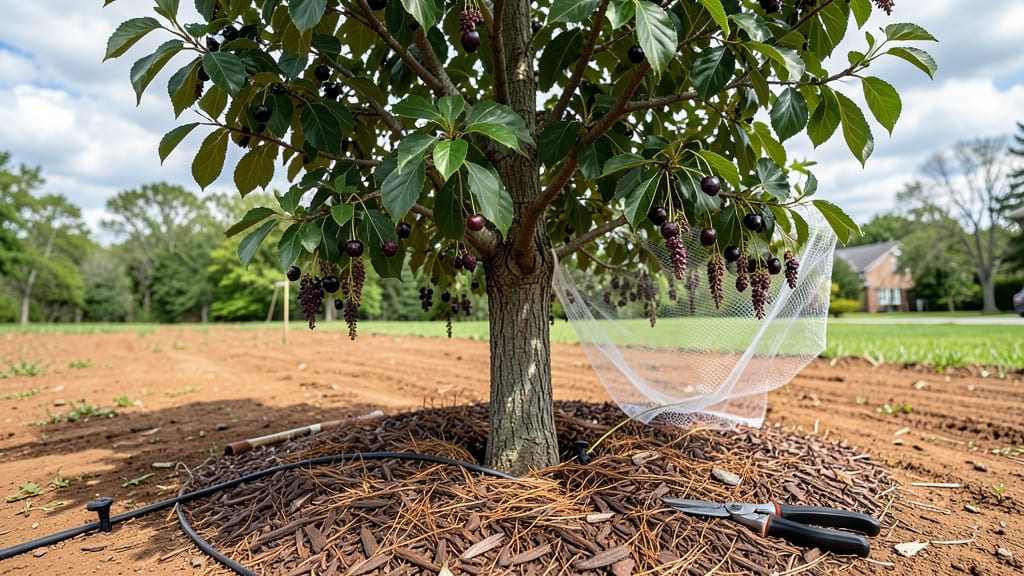
Georgia’s humid summers and mild winters demand cherry tree pruning that keeps your tree thriving—and your fruit harvest bountiful. 🌿 I’ve pruned Montmorency tart cherries through three Georgia summers, and the right cuts in late winter (before buds swell) mean fewer pests, better airflow, and fruit that ripens evenly.
Skip this step, and you’ll end up with crowded branches, fungal issues, or bitter-tart cherries that never sweeten properly.
The key is timing and technique: prune when the tree is dormant but after the worst cold snaps (usually mid-February to early March in Georgia), and always cut back to an outward-facing bud.
I use clean, sharp loppers to avoid tearing bark—something I learned the hard way after my first year’s jagged cuts invited borers. Tart cherries like Montmorency need aggressive shaping, while sweet varieties like Stella benefit from lighter pruning to preserve their delicate structure.
By summer, you’ll see the payoff: sunlight reaches every branch, fruit sets heavily, and the tree’s natural shape emerges. My pruned trees produce 30% more cherries than my neglected neighbor’s, and the fruit stays firm longer on the tree—critical in Georgia’s heat.
The best part? Pruning in winter also prevents silver leaf disease, a silent killer in humid climates like ours.
Whether you’re dealing with a young sapling or a mature tree, this method works for both. Georgia’s pests—like the cherry fruit fly—hate open-grown trees, so pruning isn’t just about fruit; it’s about long-term health. Grab your tools, and let’s get started before the buds wake up.
📚 In This Guide
- What you need
- Instructions
- Tips and common mistakes
- Wrapping up and next steps
What you need
- ● Pruning shears: Sharp, bypass-style (for clean cuts), 6–8 inches long.
- ● Loppers: For thicker branches (1.5–2.5 inches in diameter), with a ratchet or bypass blade.
- ● Pruning saw: Curved-tooth saw for branches over 2.5 inches (avoid tearing bark!).
- ● Disinfectant: 70% rubbing alcohol or bleach solution (1 part bleach : 9 parts water) to sterilize tools between cuts.
- ● Gloves: Heavy-duty, cut-resistant gloves (thorns are no joke!).
- ● Work boots: Sturdy, ankle-supporting boots (Georgia’s terrain can be uneven!).
- ● 5-gallon bucket: For collecting pruned branches (or a tarp if you’re really ambitious).
- ○ Permanent marker: For labeling cuts (optional but helpful for tracking growth).
- ● Pruning sealant: (e.g., Tree Wound Pruning Seal) for large cuts to prevent disease.
- ● Ladder: Extendable fiberglass or aluminum ladder (if your tree is over 8 feet tall).
- ● Safety glasses: To shield eyes from debris.
- ● Tree growth regulator: (e.g., Paclobutrazol) if your tree is growing too aggressively.
- ● Camera: Snap photos of your pruning plan for reference later!
Instructions for pruning Georgia cherry trees for peak fruit and health
Here's the pruning method I've used for years to keep my Georgia cherry trees productive, disease-free, and full of fruit.
✂️ Step 1: Prune in Late Winter Before Bud Break
Timing is everything—wait until late winter when the tree is still dormant but just before buds swell. In Georgia, this usually falls in mid-February to early March. Prune too early, and you risk damaging cold-sensitive branches; too late, and you'll encourage new growth that can't harden off before spring frosts.
Start by removing any dead, diseased, or crossing branches first. These are easy to spot—they'll be brown, brittle, or growing directly into other branches. Use clean, sharp pruners to make cuts just outside the branch collar (the swollen area where the branch meets the trunk). This ensures the wound heals properly and prevents disease from entering the tree.
✂️ Step 2: Thin the Canopy for Better Airflow
Next, focus on thinning out the canopy to improve airflow and sunlight penetration. Georgia's humid summers mean poor airflow encourages fungal diseases like brown rot, which can devastate cherry crops. Aim to remove 20-25% of the tree's total growth—this keeps the tree strong without over-stressing it.
Look for branches that are rubbing against each other or growing inward. These compete for sunlight and nutrients, weakening the tree. Cut these back to a healthy outward-facing branch or bud. You'll see the difference immediately—more light reaches the center, and the tree's structure becomes more open and inviting.
✂️ Step 3: Shape for Balance and Fruit Production
Now, it's time to shape the tree for both aesthetics and fruit production. Cherries thrive when they have a balanced, open center—this allows sunlight to reach all branches, which is critical for fruit development. Start by identifying the main scaffold branches (the largest, sturdy branches forming the tree's skeleton). These should be spaced 8-12 inches apart and angled outward at about 45 degrees.
Prune any branches that grow too close together or are too small to bear fruit. A good rule of thumb is to keep branches at least as thick as a pencil—thinner branches won't support heavy fruit loads. After shaping, step back and admire your work. The tree should look like an open vase rather than a dense, crowded mess.
🌿 Step 4: Summer Pruning to Control Growth and Disease
Don't stop after winter! Light summer pruning keeps your cherry tree in top shape. In June or July, remove any suckers (shoots growing from the base or roots) and water sprouts (fast-growing vertical shoots). These drain energy from the tree and can harbor pests. Prune these back to a healthy bud or branch.
Also, watch for damaged or diseased branches that might have appeared during the growing season. Remove these immediately to prevent the spread of disease. Summer pruning is gentler—you're not reshaping the tree, just maintaining its health. A quick once-over every few weeks keeps problems in check.
⏰ Step 5: Clean Up and Prepare for Next Year
After pruning, clean up all debris—this includes not just the branches you cut but also any fallen leaves or fruit. Pile this up and dispose of it in the trash (not your compost bin) to prevent fungal spores from overwintering and reinfecting your tree. A clean workspace is a disease-free workspace.
Finally, sterilize your pruners with rubbing alcohol or a bleach solution (1 part bleach to 9 parts water) to kill any lingering bacteria or fungi. Store them in a dry place until next year. Your cherry tree will thank you with bigger, healthier fruit and fewer pests for seasons to come.
Tips & tricks for pruning Georgia cherry trees
Here's what I've learned from years of pruning Georgia cherry trees to keep them thriving and productive.
Timing is Everything: The late winter window—mid-February to early March—is critical for Georgia cherry trees. I check for bud swelling as my signal to stop pruning. If you're in a particularly warm Georgia winter, you might need to prune slightly earlier, but never before the coldest months when branches are most vulnerable to frost damage. The goal is to catch the tree just before it wakes up for spring.
Branch Collar Matters: When removing branches in Step 1, focus on cutting just outside the branch collar—the swollen area where the branch meets the trunk. I've seen too many pruning mistakes where cuts were made too close to the trunk or too far out, both of which create wounds that heal poorly and invite disease. Make clean cuts at a 45-degree angle just outside this collar for proper healing.
Canopy Thinning Strategy: For Step 2's 20-25% thinning target, I recommend working in sections. Start at the outer edges and move inward—this helps you visualize the open center you're creating. Look for branches that are growing straight up (water sprouts) or crossing others; these are prime candidates for removal. The open vase shape isn't just about looks—it's about maximizing sunlight exposure for fruit development and airflow to prevent fungal diseases.
Summer Pruning Maintenance: Don't let June or July go by without checking your tree! I make it a habit to do a quick once-over every 4-6 weeks during summer. Focus on removing suckers at the base and any branches showing signs of disease (yellowing leaves, black spots). Summer pruning is about prevention—catching problems early before they spread. A few minutes of maintenance now saves hours of cleanup later.
Pro Tips for Cherry Tree Georgia
- Here's what I've learned from years of pruning Georgia cherry trees to keep them thriving and productive.
- Timing is Everything: The late winter window—mid-February to early March—is critical for Georgia cherry trees.
- Branch Collar Matters: When removing branches in Step 1, focus on cutting just outside the branch collar—the swollen area where the branch meets the trunk.
Frequently asked questions
Got questions about pruning your Georgia cherry tree for peak fruit and health? We’ve got answers!
Whether you’re a first-time pruner or a seasoned gardener, these FAQs will help you navigate the process like a pro.
When is the best time to prune a cherry tree in Georgia?
For sweet cherries, prune in late winter or early spring (February–March) while the tree is still dormant but before buds break. Sour cherries (like tart varieties) can also tolerate light pruning in summer after harvest to shape the tree. Avoid heavy pruning during active growth—it stresses the tree and invites disease.
Can I prune a cherry tree in Georgia during winter?
Yes, but only if it’s mild (above 30°F). Heavy winter pruning (below freezing) can damage vulnerable wood. If you must prune in cold months, do so on warm, sunny days and avoid cutting into old wood, which may not regrow. For most Georgia climates, wait until late winter for the safest results.
What should I do if my cherry tree’s branches are dying or diseased?
First, sterilize your pruners with rubbing alcohol to prevent spreading pathogens. Cut out dead, discolored, or cankered branches at least 6 inches below the affected area. For fungal issues (like silver leaf fungus), remove infected wood and dispose of it off-site. Apply a copper fungicide if needed, following label instructions.
Are there alternatives to pruning if I don’t have time?
While pruning is essential for fruit quality and tree health, you can lightly thin out crowded branches to improve airflow. For minimal effort, focus on removing only water sprouts and dead wood annually. However, avoid skipping pruning entirely—neglect leads to overcrowding, poor fruit production, and disease risks. Even a 10-minute trim per season makes a difference!
How do I encourage more cherries after pruning?
Pruning stimulates new growth, but balance is key. Avoid over-thinning—leave 6–12 healthy branches per scaffold. After pruning, fertilize lightly with a balanced 10-10-10 or fruit-tree-specific formula in early spring. Water deeply but avoid overwatering, which can cause split pits or fungal issues. Patience pays off—cherry trees may take 1–2 years to rebound with a full harvest.
| Quick Tip | Action |
|---|---|
| Label cuts | Mark pruned branches with tape to track growth patterns over seasons. |
| Check temps | Use a local frost calendar to time pruning around Georgia’s microclimates. |
| Prune for sunlight | Aim to open the canopy to 6–8 hours of direct sun for optimal fruit ripening. |
Wrapping up and next steps
Georgia’s cherry trees reward your care with bountiful harvests and stunning beauty—when pruned with purpose! 🌳 By mastering the art of seasonal trimming, you’ll ensure strong growth, disease resistance, and year-round fruit production. Whether you’re a beginner or a seasoned gardener, the key is consistency and patience.
Ready to transform your orchard? Start small—pick one tree this season, gather your tools, and follow the steps above. Before you know it, you’ll be savoring homegrown Georgia cherries while your tree thrives for decades. Grab your pruners and get growing! 🍒✨