
Blooming
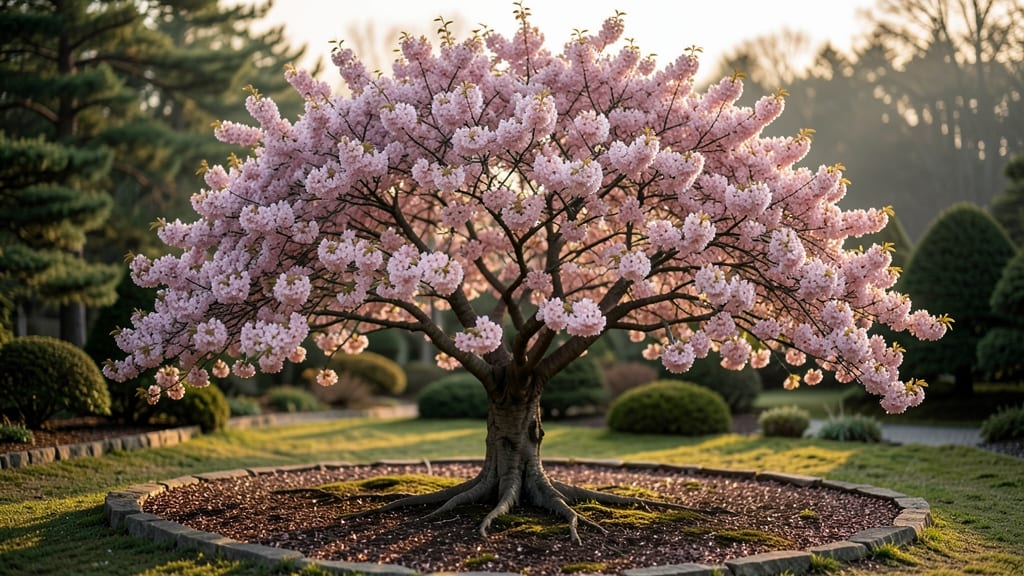
Your cherry tree blossom time arrives like spring’s most stunning invitation—pink canopies that transform your yard into a dreamy postcard. 🌸 I still remember the first time I stood beneath my tree during peak bloom, surrounded by that delicate perfume and the soft flutter of bees.
The timing varies wildly: early bloomers like Yoshino burst into color by late March in warmer zones, while late varieties like Kanzan wait until May in colder climates.
The secret to maximizing your blossom season lies in understanding your tree’s variety and local climate. A sudden cold snap can delay blooms, while warm winters often trigger earlier flowering. Pruning in late winter—just before buds swell—helps shape the tree and ensures those branches don’t get overcrowded with fruit later.
Even if you don’t prune, simply stepping outside during bloom time to sketch the petals or photograph the light filtering through them turns an ordinary spring into something magical.
What you’ll get is more than just pretty flowers—it’s a sensory experience. The air hums with bees, the ground softens under petal rain, and your neighbors will pause to admire your tree like it’s a living work of art.
For me, it’s the one time of year when gardening feels like pure joy, no soil stains or sweat required. Just standing there, watching the petals drift down like confetti from nature’s own celebration.
Whether you’re planning a spring picnic under the branches, timing your annual cherry blossom festival photos, or simply savoring the quiet beauty of a tree in full bloom, this is the moment gardening becomes pure poetry.
The best part? You don’t even have to do anything—just show up and let the tree do its magic.
📚 In This Guide
- What you need
- Instructions
- Tips and common mistakes
- Wrapping up and next steps
What you need
- ● Cherry Tree Saplings: 1–3 Prunus serrulata (Japanese cherry) or Prunus avium (wild cherry) saplings (choose based on mature height and bloom time).
- ○ Optional: Dwarf varieties (e.g., 'Stella Compact') for smaller gardens.
- ● Soil Amendments: 5–10 lbs of well-draining garden soil (or a mix of 60% topsoil, 30% compost, and 10% perlite/sand).
- ● 1 lb of slow-release fertilizer (10-10-10 NPK ratio) for planting.
- ● Planting Tools: 1 shovel (for digging holes).
- ● 1 garden trowel (for delicate root adjustments).
- ● 1 pruning shears (to trim dead branches post-planting).
- ● 1 measuring tape (to ensure proper spacing—15–25 ft apart for full-sized trees).
- ● Mulch: 2–3 inches of organic mulch (wood chips or shredded bark) to retain moisture.
- ● Support Stakes: 2–3 bamboo stakes + soft plant ties (for young trees in windy areas).
- ● Drip Irrigation System: A soaker hose or micro-sprinkler to keep roots hydrated during dry spells.
- ● Decorative Accents: Solar-powered garden lights (to highlight blossoms at night).
- ● A benchtop or trellis nearby for spring picnics under the pink canopy!
Step-by-Step guide to encouraging stunning cherry tree blossoms
Here's how to coax your cherry tree into full, vibrant bloom—spring's most breathtaking display.
🌱 Step 1: Prune for Airflow and Light in Late Winter
Start in late winter (just before buds swell) by removing dead, crossing, or inward-growing branches with clean bypass pruners. I always cut just outside the branch collar—never leave stubs. This opens the canopy so light reaches inner branches where buds form.
Focus on branches thicker than ½ inch—thinner growth won't produce meaningful blossoms. Remove no more than 25% of the total canopy in one year. You'll see thicker, more robust buds forming along remaining branches by early spring.
☀️ Step 2: Provide Proper Sunlight and Chill Hours
Cherry trees need full sun (6+ hours daily) for vibrant blooms. If your tree gets afternoon shade, consider pruning nearby structures or transplanting to a sunnier spot. You'll notice buds develop more evenly when branches receive consistent light.
Most flowering cherries require 600-1,000 chill hours below 45°F—track your winter lows. If you're in a warm climate, choose low-chill varieties like 'Stella Pink' or 'Royal Raindrops.' Without enough chill, buds may fail to open properly.
💧 Step 3: Water Deeply During Bud Break
When buds begin to swell and turn pink (usually late winter to early spring), water deeply once a week—about 15 gallons per inch of trunk diameter. I always water in the early morning to reduce evaporation and fungal risks.
Keep soil moist but not soggy—saturated roots can cause bud rot. You'll know moisture is right when the top 6 inches of soil feel damp but not heavy. Mulch with 2-3 inches of organic mulch to retain moisture and regulate soil temperature.
✂️ Step 4: Lightly Thin Blooms for Larger Flowers
Once half the blossoms open, gently remove every other cluster using hand pruners or your fingers. This prevents overcrowding and lets remaining flowers develop larger, showier blooms. I focus on removing clusters from the outer edges first.
Don't thin too aggressively—cherry trees set fruit after pollination, and heavy thinning can reduce next year's harvest. If you're growing for fruit, leave 2-3 clusters per branch instead of thinning completely.
🌿 Step 5: Protect Blooms from Late Frosts
Cover trees with frost cloth when nighttime temps drop below 32°F after buds open. Secure the cloth loosely—don't smother branches. I use wooden stakes to create a tent shape over the canopy. Remove covers by 10 AM to allow sunlight and airflow.
If frost hits after petals fall, buds may still develop into fruit. But if frost damages open blossoms, you'll see blackened, mushy petals—a sure sign to prune those branches back after the season.
Tips & tricks for stunning cherry tree blossoms
Here's what nobody tells you about getting that perfect pink canopy every spring.
Pruning Precision: When you're working in Step 1, look for branches that grow inward—they're the real culprits blocking sunlight from reaching inner buds. I always make my cuts just outside the branch collar (that little bump where the branch meets the trunk), and I use a sharp bypass pruner to avoid tearing the bark. This clean cut helps prevent disease from entering the tree. The key is patience here—don't rush to remove too much at once, or you'll stress the tree and reduce next year's blossoms.
Chill Hour Tracking: Those 600-1,000 chill hours below 45°F are non-negotiable for most cherry trees. I keep a simple garden journal where I record nighttime temperatures during winter. If you're in a warm climate, consider planting low-chill varieties like 'Stella Pink'—they'll still give you beautiful blooms with fewer cold hours. Remember, without proper chilling, buds might swell but fail to open completely, leaving you with disappointing results.
Watering Wisdom: During bud break in Step 3, that 15 gallons per inch of trunk diameter might sound like a lot, but it's crucial for establishing those vibrant blossoms. I always check soil moisture by sticking my finger about 6 inches down—it should feel damp but not soggy. Early morning watering is a game-changer because it gives the water time to soak in before the heat of the day. And don't forget that 2-3 inches of organic mulch—it's like putting a cozy blanket around your tree's roots, keeping moisture in and weeds out.
Frost Protection Strategy: When you're covering your tree in Step 5, remember that frost cloth needs to breathe. I use wooden stakes to create a loose tent shape—this allows sunlight to filter through while still protecting delicate blossoms. The key is to remove covers by 10 AM, giving your tree time to warm up naturally. If you notice blackened, mushy petals after a frost, those branches will need pruning later in the season to encourage new growth.
Pro Tips for Cherry Tree Blossom Time
- Here's what nobody tells you about getting that perfect pink canopy every spring.
- Pruning Precision: When you're working in Step 1, look for branches that grow inward—they're the real culprits blocking sunlight from reaching inner buds.
- Chill Hour Tracking: Those 600-1,000 chill hours below 45°F are non-negotiable for most cherry trees.
Frequently asked questions
Got questions about cherry tree blossom time? You’re not alone! Here are answers to the most common queries—so you can plan your spring garden like a pro.
When is the best time to plant a cherry tree for optimal blossoms?
Plant in early spring or fall (after the last frost) for the best results. Young trees need 1-2 years to establish roots before they’ll burst into full bloom. Choose a variety suited to your USDA hardiness zone—most ornamental cherry trees thrive in zones 5-8.
How long do cherry tree blossoms last?
Blossoms typically last 1-2 weeks, depending on weather. Cooler nights and sunny days extend their lifespan. Pro tip: Avoid pruning during bloom season—wait until late spring or early summer to encourage next year’s flowers!
What should I do if my cherry tree isn’t blooming?
No blossoms? Check these fixes:
- Age: Young trees (under 3 years) may not bloom yet.
- Sunlight: Ensure 6+ hours of sun daily—partial shade can stunt flowers.
- Soil: Amend with compost for nutrients; cherry trees love well-draining, slightly acidic soil (pH 5.5-6.5).
- Variety: Some trees (like Prunus serrulata) bloom reliably, while others (e.g., Prunus avium) focus on fruit.
If the issue persists, consult a local arborist to rule out pests or disease.
Can I grow cherry blossoms in containers?
Yes! Dwarf varieties (like ‘Shirotae’ or ‘Amanogawa’) thrive in large containers (15+ gallons) with fast-draining mix. Use a balcony or patio spot with full sun, and repot every 2-3 years to refresh soil. Warning: Container trees may bloom slightly later than in-ground plants.
What’s the best way to photograph cherry blossoms?
Capture the magic with these tips:
- Golden hour: Shoot at sunrise or sunset for soft light.
- Macro lens: Highlight details like petals or bees (if pollinating).
- Silhouettes: Backlight trees against a clear sky for drama.
- Tripod: Use one for long exposures if branches sway in the wind.
Bonus: Visit a local cherry blossom festival (like DC’s Tidal Basin) for iconic backdrops!
Wrapping up and next steps
Cherry tree blossom time isn’t just a fleeting moment—it’s a celebration of nature’s artistry that transforms your garden into a dreamy pink paradise.
Whether you’re planting your first tree or savoring the beauty of an established one, this season reminds us to slow down, appreciate the little wonders, and embrace the magic of spring. 🌸
Ready to make the most of blossom season? Start by marking your calendar for peak bloom times in your region, then plan a cozy picnic, photography session, or even a DIY project to preserve the memories. Your garden—and your soul—will thank you!