
Diseases
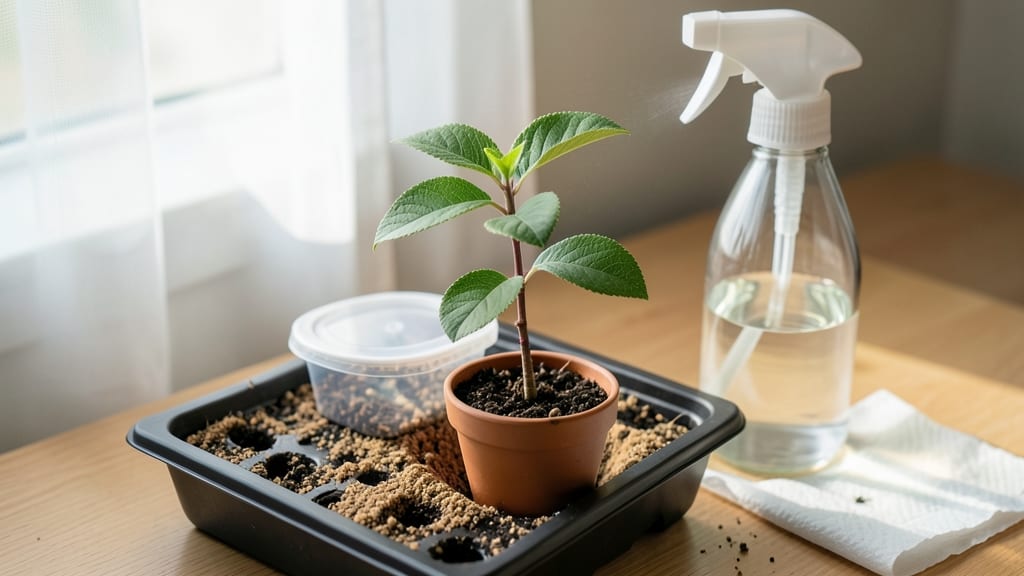
You can grow a plum tree from a plum seed, but the resulting tree will almost certainly produce fruit that differs dramatically from the parent plant—often with poorer flavor, smaller size, or weaker disease resistance. Successful germination depends on cold stratification and careful nurturing, though results vary widely based on seed source and growing conditions.
While it's true that plum seeds can sprout into trees, the fruit they produce will likely be a genetic lottery. 🌱 The reason? Plum trees are typically self-pollinating but highly variable—what you get from a seed might be a completely different variety, even if grown from your favorite supermarket plum.
I've seen seed-grown trees take 5-7 years just to produce fruit, if they ever do at all, compared to 2-3 years for grafted nursery trees. For consistent, high-quality plums, grafting remains the gold standard among gardeners.
If you're still eager to try, start with fresh, fleshy seeds (avoid dried ones) and subject them to 60-90 days of cold stratification in moist sand or a damp paper towel.
Plant them ½ inch deep in well-draining soil and keep them in bright, indirect light until they sprout—typically within 2-4 weeks after stratification. Remember, patience is key: seed-grown trees often develop slowly and may require extra care to survive their first winter.
💡 In This Article
- Why Plum Seedlings Rarely Match Parent Fruit Quality
- Step-by-Step Plum Seed Germination and Tree Care Guide
Why plum seedlings rarely match parent fruit quality
The genetic variability in plum seeds stems from how fruit trees reproduce. Unlike grafting, which produces genetically identical trees, seeds carry a mix of traits from both parent trees—often involving cross-pollination from nearby varieties.
This means your seedling might inherit characteristics from a completely different plum, like a smaller fruit, thinner skin, or even a different color. 🌱 For example, a seed from a sweet 'Santa Rosa' plum could grow into a tree producing tart, mealy fruit resembling wild plums instead.
Plum trees also exhibit what botanists call "heterozygosity"—meaning they carry multiple alleles for each trait, which can lead to unpredictable offspring. The seed's genetic code might favor traits like hardiness over fruit quality, or vice versa.
Commercial growers avoid this variability by grafting desirable varieties onto rootstocks, ensuring consistent fruit production. Without this control, seed-grown trees often take 5-7 years to bear fruit (if at all), compared to 2-3 years for grafted trees.
Environmental factors during seedling development play a critical role too. Temperature fluctuations, soil moisture, and light exposure can stress young trees, further altering their growth patterns. For instance, a seedling exposed to inconsistent watering might develop weaker roots, making it more susceptible to disease.
This is why nursery-grown trees—bred for specific climates—outperform seed-grown ones in most home gardens.
Dormancy also affects the process. Plum seeds require 60-90 days of cold stratification to break their natural dormancy, mimicking winter conditions. Without this step, germination rates drop dramatically. Even with stratification, only about 30-50% of seeds will sprout, and those that do may struggle to survive their first year.
The unpredictability is part of the charm for experimenters, but it’s a gamble for anyone hoping to replicate their favorite plum.
Consider this: a seed from a 2-inch plum might grow into a tree bearing 1-inch fruit, or one with a completely different flavor profile—sour where the parent was sweet.
The science behind this lies in the tree's polygenic inheritance, where multiple genes influence traits like size, color, and taste. 💫 This is why professional orchards rely on grafting: it guarantees the exact variety you want, year after year.
For the adventurous gardener, the journey of growing a plum tree from seed is as much about discovery as it is about fruit. The resulting tree might surprise you with unexpected hardiness or disease resistance, even if the fruit falls short of expectations.
Think of it as a genetic experiment—one where nature holds all the cards.