
Container Gardens
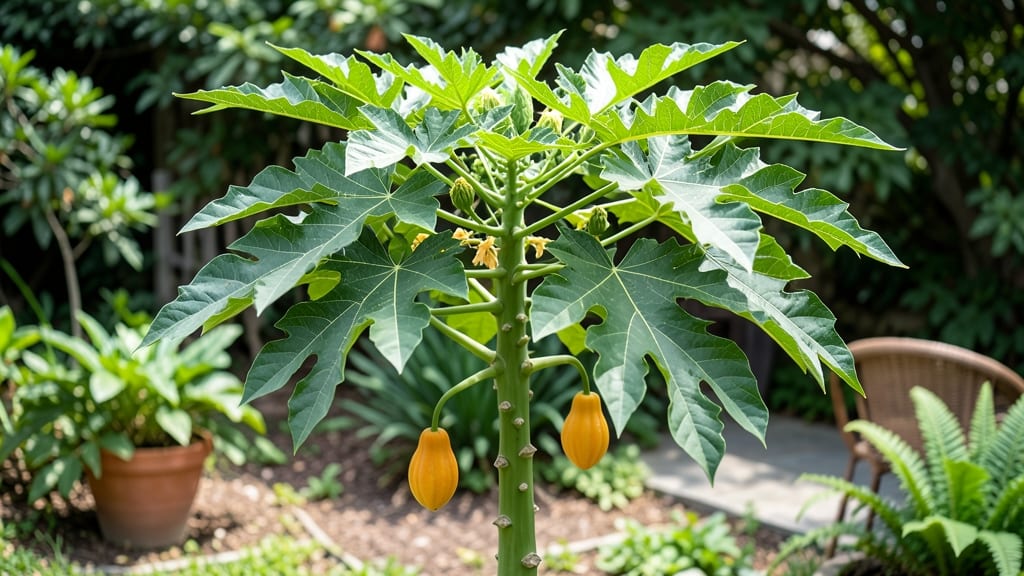
You can grow a papaya tree in pots by selecting dwarf varieties and using appropriately sized containers—opt for at least a 10-gallon pot for types like 'SunUp' or 'Tahitian,' ensuring proper drainage and nutrient-rich soil to encourage strong roots and fruit development.
Papaya trees thrive in containers when you choose compact varieties designed for limited spaces. 🌱 The key is matching the plant's growth habits to your pot size—smaller cultivars like 'SunUp' stay manageable at 3-5 feet tall, while larger types need bigger containers to prevent root binding.
I've found that adding a 2-inch layer of perlite to the soil mix improves drainage dramatically, which is crucial for preventing root rot in tropical plants. These container-friendly varieties also produce fruit more reliably when given consistent warmth and humidity, making them perfect for indoor-outdoor setups in warm climates.
Beyond just pot size, successful container papayas need a few extra care considerations. Six hours of direct sunlight daily is non-negotiable, and you'll want to fertilize monthly with a balanced tropical plant formula during growing season.
The first year is all about establishing roots, so I recommend holding off on heavy fruiting until the plant's root system fills the container—this prevents stress and ensures better yields when flowers finally appear.
💡 In This Article
- Best Dwarf Papaya Varieties for Container Gardening
- Container Gardening Essentials for Papaya Trees
Best dwarf papaya varieties for container gardening
Dwarf papaya varieties are specifically bred to thrive in confined spaces, making them ideal for container gardening. The 'SunUp' cultivar, for example, typically reaches only 3-5 feet in height and produces fruit weighing 1-2 pounds, perfect for a 15-gallon pot.
Its compact growth habit means it develops a strong root system without outgrowing its container, which is crucial since papaya roots can grow aggressively in ideal conditions. 🌱 The 'Tahitian' variety is another excellent choice, staying around 4-6 feet tall and producing slightly larger fruits (2-3 pounds) when given proper care in a 20-gallon pot.
What sets these dwarf varieties apart is their ability to balance growth and fruiting in limited space. Unlike their larger counterparts that can reach 15-20 feet in tropical gardens, these compact types focus energy on fruit production rather than vertical growth.
The 'Solo' papaya, for instance, is a self-pollinating dwarf that produces 1-1.5 pound fruits and stays under 4 feet tall—ideal for 10-15 gallon containers. This self-pollination feature also makes it more reliable for fruit production in container settings where natural pollinators might be scarce.
The key to successful fruiting in containers lies in selecting varieties with proportional root systems. Papaya trees develop a fibrous root structure that spreads outward rather than downward, which is why wide, shallow containers work better than tall, narrow ones.
A 12-inch diameter pot provides enough space for these roots to establish while preventing the plant from becoming root-bound too quickly. I've found that adding 3-4 inches of compost to the bottom of the pot creates an ideal rooting zone that encourages both root development and nutrient uptake.
Another important consideration is fruit size versus container capacity. Larger fruiting varieties like 'Tahitian' need bigger containers to support their heavier fruit loads without tipping over. The weight of a mature papaya can reach 3 pounds, and a 20-gallon pot provides the stability needed.
For smaller varieties, a 10-15 gallon container is sufficient, but always leave 2-3 inches of space between the root ball and pot edge to allow for seasonal growth fluctuations.
When choosing your dwarf variety, consider your climate zone as well. Tropical varieties like 'SunUp' thrive in USDA zones 10-11 but can be grown in containers and brought indoors during cooler months. In warmer climates, these container-friendly papayas can produce fruit year-round with proper care.
The trade-off is that indoor growing during winter months may reduce fruiting potential, so timing your purchase to plant in spring or early summer gives the tree the longest possible growing season for fruit production.
One final tip: look for disease-resistant varieties when selecting your container papaya. Dwarf types like 'SunUp' are bred to resist common papaya diseases such as powdery mildew and root rot, which are particular concerns in container growing where drainage issues can develop.
This resistance means less maintenance and higher success rates for container gardeners who may not have access to the same pest control options as ground gardeners.