
Propagation
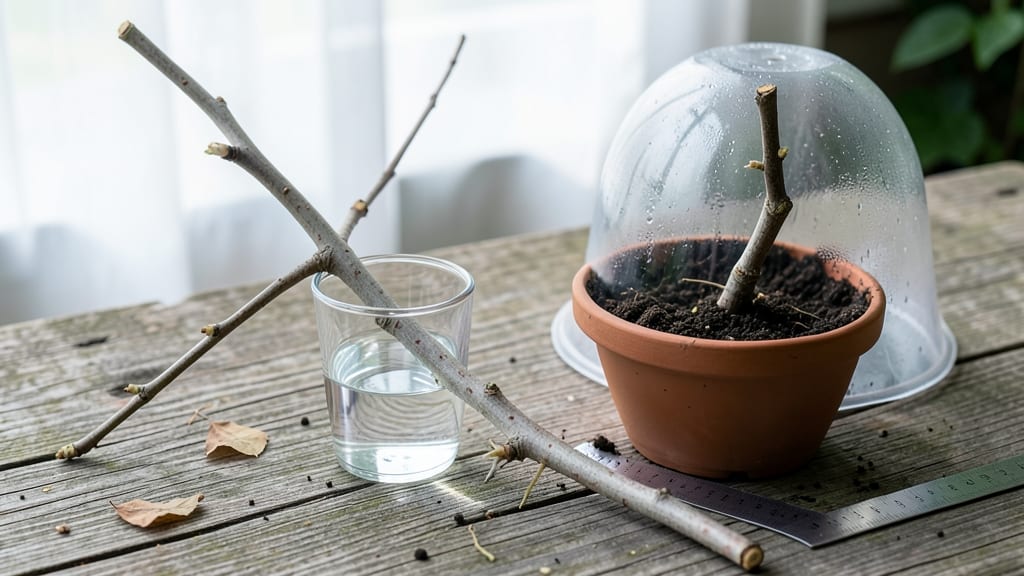
A tree branch can grow roots when planted in moist, well-draining soil with direct sunlight and proper care, through processes like layering or grafting. Success depends on timing, species, and avoiding environmental stress.
A tree branch grows roots through a natural process called propagation, where the cambium layer—just beneath the bark—produces new cells that develop into roots. 🌱 This happens when the branch stays hydrated and receives the right balance of sunlight and humidity.
Some species, like willow or maple, root more easily than others, so choosing the right branch and timing matters. For best results, cut branches during their active growing season (spring or early summer) and maintain consistent moisture without overwatering.
This method isn’t just for experts—even beginners can try it with patience. The key is mimicking the branch’s natural environment while it adjusts to its new conditions. For example, wrapping the cut end in damp sphagnum moss helps retain moisture until roots form.
Success rates vary widely, but with the right approach, many branches can establish roots within weeks.
💡 In This Article
- How Tree Branches Develop Roots: The Science of Propagation
- Step-by-Step Guide to Growing Roots from a Cut Branch
How tree branches develop roots: the science of propagation
The magic happens in the cambium layer, a thin strip of living cells just beneath the bark that acts like a biological factory. When you cut a branch, these cells—normally focused on growing stems and leaves—reprogram under the right conditions.
Auxin, a plant hormone, surges near the cut end, signaling cells to differentiate into root initials. This process is called adventitious root formation, where new roots emerge from non-root tissues. 🌱 Without proper moisture and hormones, the cambium stays dormant, and no roots develop.
Humidity and soil contact trigger this transformation. The cut end must stay moist (around 70-80% humidity) to prevent drying, which would seal the wound and block root growth. Willow branches, for example, root easily because their cambium is highly responsive to auxin, while oak branches require more precise conditions.
Temperature also matters—ideal rooting occurs between 65-75°F, mimicking spring conditions when trees naturally produce new growth. Without these factors, the branch simply dries out or rots.
Light plays a surprising role too. While branches need sunlight for energy, too much direct exposure can dry them out. A 50% shade cloth or partial sunlight balances photosynthesis with moisture retention.
The branch’s energy reserves (stored as starch in the stem) fuel root development, but if stressed by heat or drought, those reserves deplete before roots establish. This is why willow branches—with high starch reserves—often root faster than maple branches, which have denser wood.
Root formation isn’t random—it follows a pattern. First, tiny root hairs appear within 2-4 weeks if conditions are perfect. These hairs increase surface area for water absorption, setting the stage for larger roots. Without this initial stage, the branch remains dependent on its stored energy, eventually dying.
The process mirrors how plants naturally spread via suckers or layering, but with human intervention to control timing and environment.
Think of it like teaching a baby to walk: the branch needs support, practice, and the right conditions to take its first steps. Auxin acts as the coach, humidity as the training wheels, and sunlight as the motivation. 💫 Without one piece, the whole process stalls.
Even the most resilient branches—like those from fruit trees—require this delicate balance to succeed.
For example, a 1-inch-thick willow branch might produce roots in 3-6 weeks with proper care, while a 2-inch oak branch could take 3-6 months or fail entirely. The difference lies in the species’ natural rooting ability and the cambium’s responsiveness to environmental cues.
This is why gardeners often use rooting hormones—a synthetic auxin boost—to improve success rates in less cooperative species.
Here’s the takeaway: propagation isn’t just about sticking a branch in the ground. It’s a biological dance between hormones, moisture, and energy. Master these variables, and even the most stubborn branches can become thriving new plants. ✨