
How To
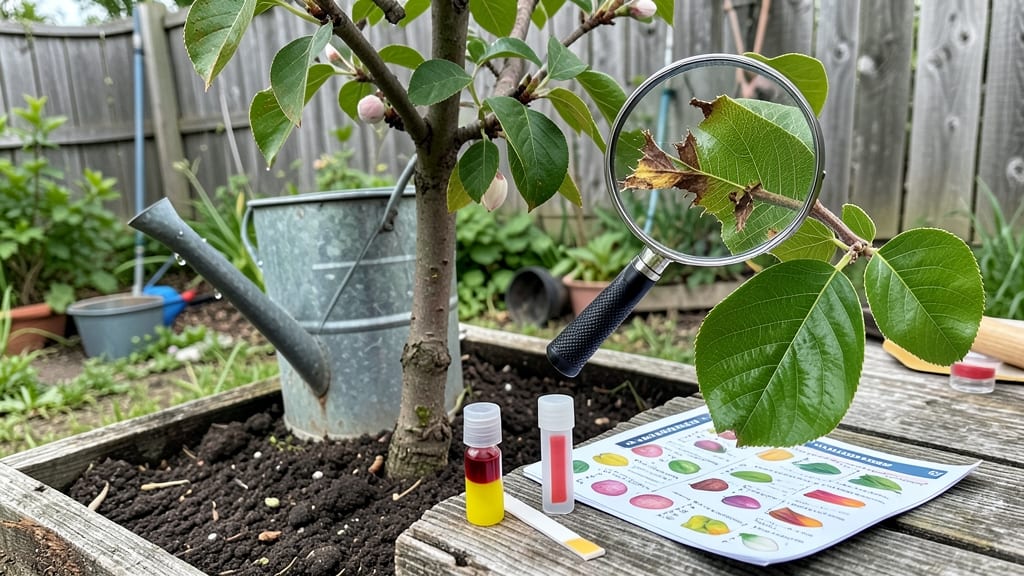
Brown tips on almond tree leaves could be your tree’s way of saying, "I’m struggling—but I can bounce back." ✨ I’ve seen this problem turn into a full recovery with just a few targeted fixes, and I’m sharing exactly what worked for me (and how to avoid it next time).
The most common culprits are overwatering, nutrient imbalances, or fungal spots from wet foliage. My tree’s tips started browning after a dry spell followed by heavy irrigation—classic salt buildup in the soil. The good news?
Each issue has a simple fix, and I’ll walk you through the three-step cure that saved mine. By the end, you’ll have a plan to revive your tree’s leaves and keep them vibrant. Think lush, glossy foliage that makes neighbors ask, "What’s your secret?"
The key is acting fast—before the problem spreads to the whole canopy. Here’s how to diagnose the exact cause and stop it in its tracks. No guesswork, just results.
Root Causes Of Leaf Discoloration
When your almond tree’s leaves start showing brown tips, it’s often a cry for help from the plant. Understanding the why behind this symptom is the first step toward fixing it.
Below, we break down the most common culprits—each with a clear scientific explanation and actionable insights to address them.
Almond trees are drought-tolerant, but excess moisture—especially in poorly draining soil—can suffocate roots and lead to oxidative stress. When roots struggle to absorb water and nutrients, leaves develop brown, crispy edges as a sign of nutrient deficiency or cellular breakdown.
🔬 Why it happens:
- Waterlogging cuts off oxygen to roots, triggering anaerobic respiration, which produces toxic ethanol and weakens the tree’s ability to transport water and minerals.
- Salt buildup in soil (from irrigation water or fertilizers) further stresses roots, causing osmotic imbalance—where the tree can’t absorb water efficiently, leading to leaf desiccation.
- Fungal infections like Phytophthora thrive in soggy conditions, clogging root vessels and restricting nutrient flow.
💡 How to fix it:
- Test soil drainage: Dig a 12-inch hole, fill it with water, and time how long it takes to drain. If it’s slower than 4–6 hours, amend soil with sand or perlite.
- Adjust watering: Almond trees need deep, infrequent watering (1–1.5 inches per week, less in winter). Avoid shallow sprinkling.
- Mulch properly: Use 3–4 inches of organic mulch (wood chips, straw) to regulate soil moisture and temperature.
Almond trees are hardy, but intense heat or drying winds can cause leaf edges to scorch and turn brown. This is often mistaken for disease, but it’s purely physical damage from transpiration exceeding the tree’s ability to replace moisture.
🔬 Why it happens:
- Transpiration rate outpaces root uptake: On hot, windy days, leaves lose water faster than roots can supply it, leading to plasmolysis (cell membrane shrinkage) and dead tissue.
- Salt accumulation on leaf surfaces: Evaporating water leaves behind mineral deposits, which can clog stomata (leaf pores) and restrict gas exchange.
- Young leaves are most vulnerable: New growth has thinner cuticles, making it easier for moisture to escape.
💡 How to fix it:
- Provide afternoon shade: Use shade cloth (30–50%) during peak summer heat (12 PM–4 PM).
- Windbreaks: Plant fast-growing hedges or use lattice screens to reduce wind exposure.
- Deep watering before heatwaves: Soak the root zone 2–3 days before extreme heat to build moisture reserves.
Fungal pathogens like Botrytis cinerea (gray mold) or Alternaria thrive in humid conditions, causing brown, crusty tips that may spread to entire leaves. These fungi block stomata and disrupt photosynthesis, leading to leaf death.
🔬 Why it happens:
- High humidity + poor airflow: Fungal spores germinate in 70–90% humidity, especially on dense foliage or near irrigation systems.
- Weakened tree defenses: Stress from nutrient deficiencies, drought, or physical damage makes trees more susceptible.
- Overhead watering: Wet leaves for prolonged periods create ideal conditions for fungal spores to latch on.
💡 How to fix it:
- Prune for airflow: Remove crossing or dense branches to improve circulation. Aim for an open canopy.
- Fungicide treatment: Apply copper-based or sulfur fungicides (e.g., Copper Soap) at first sign of spots, repeating every 7–14 days.
- Water at the base: Use drip irrigation or soaker hoses to keep leaves dry.
Brown tips can signal a lack of key nutrients, particularly potassium, calcium, or magnesium. These elements regulate osmotic balance, enzyme function, and cell structure—without them, leaves become brittle and discolored.
🔬 Why it happens:
Nutrient Deficiency
Symptoms
Scientific Cause
Potassium (K)
Brown, scorched tips that spread inward; weak stems.
Potassium regulates stomatal function and water transport. Without it, cells lose turgor pressure, leading to desiccation.
Calcium (Ca)
Brown, dead tips with interveinal chlorosis (yellowing between veins).
Calcium stabilizes cell walls. Deficiency weakens new growth, causing apical meristem death.
Magnesium (Mg)
Brown, crinkled tips with yellowing between veins (similar to Ca but starts at older leaves).
Magnesium is central to chlorophyll production. Deficiency disrupts photosynthesis, leading to secondary nutrient starvation.
💡 How to fix it:
- Soil test first: Use a home test kit or send a sample to a lab to confirm deficiencies.
- Targeted fertilization:
- Potassium: Apply potassium sulfate (0-0-50) or wood ash (for Ca/K).
- Calcium: Use gypsum (CaSO₄) or lime (avoid over-applying—test pH first!).
- Magnesium: Sprinkle Epsom salt (MgSO₄) around the base (1 tbsp per gallon of water, applied as a foliar spray or soil drench).
- Organic boost: Compost or worm castings improve soil microbial activity, aiding nutrient uptake.
🎯 Pro Tip: If multiple symptoms appear (
Fixing Brown Leaf Tips Fast
Now that you know the culprits behind those pesky brown tips on your almond tree leaves—whether it’s fungal spots, environmental stress, or nutrient deficiencies—it’s time to take action!
Below are practical, step-by-step solutions tailored to each cause, plus prevention tips to keep your tree thriving. Let’s get those leaves healthy again!
If your almond tree is battling brown or black spots with yellow halos, fungal infections like brown spot or anthracnose are likely to blame. Here’s how to tackle them:
🔥 Step 1: Prune Infected Leaves & Branches
- Remove severely damaged leaves (gloves recommended!) and dispose of them in the trash—not the compost bin—to prevent spores from spreading.
- Trim back any branches with heavy fungal growth.
Sterilize pruners with rubbing alcohol between cuts to avoid cross-contamination.
🍳 Step 2: Apply Fungicide (Organic or Chemical)
- For organic control, spray your tree with a baking soda solution (1 tsp baking soda + 1 quart water + a few drops of dish soap) or neem oil (1 tbsp per quart of water).
Reapply every 7–10 days until new growth appears. - For severe cases, use a copper-based fungicide (like copper hydroxide) or a chlorothalonil product (follow label instructions). Apply in the early morning or evening to avoid burning leaves.
🌡️ Step 3: Improve Airflow & Reduce Moisture
- Thin out dense foliage to allow sunlight and air to circulate.
- Water at the base (not overhead) to keep leaves dry.
If possible, drip irrigation is ideal. - Avoid overhead sprinklers, especially in the evening, as damp leaves invite fungal growth.
💡 Pro Tip: After treatment, mulch around the base with wood chips or straw (2–3 inches deep) to improve soil health and reduce splashing water onto leaves.
If brown tips appear crispy, dry, or scattered (not in spots), your tree is likely suffering from underwatering, overwatering, or sun scorch.
👨🍳 Step 1: Check Soil Moisture & Adjust Watering
- Stick your finger 2–3 inches into the soil—if it’s dry, water deeply.
If it’s soggy, cut back immediately to prevent root rot. - Water slowly and deeply (1–2 inches per week, depending on climate) rather than frequent shallow watering. - Use a moisture meter for accuracy, especially in sandy or clay soils that drain poorly.
🥘 Step 2: Protect from Harsh Sun & Wind
- Young or newly planted trees need afternoon shade (use shade cloth if needed).
- Mulch heavily (3–4 inches) to retain moisture and regulate soil temperature.
- Windbreaks (like a fence or hedge) can shield delicate leaves from drying winds.
⏰ Step 3: Gradually Acclimate Trees to Sun
- If you’ve recently moved a tree to a sunnier spot, harden it off over 2–3 weeks by slowly increasing sunlight exposure.
💡 Pro Tip: Drip irrigation with emitters is the gold standard for almond trees—it delivers water directly to roots while keeping leaves dry.
Brown tips with yellowing between veins often signal iron or zinc deficiency, while purplish-brown edges may mean magnesium (potassium) issues.
🔪 Step 1: Test Your Soil (Know What’s Missing!)
- Grab a DIY soil test kit (or send a sample to a local extension office) to confirm deficiencies.
- Quick fixes based on common issues:
- Iron deficiency? Sprinkle iron sulfate or chelated iron around the base and water it in.
- Zinc deficiency? Use zinc sulfate (1 tbsp per gallon of water) as a foliar spray.
- Magnesium deficiency? Apply Epsom salt (1 tbsp per gallon) to the soil or spray on leaves.
🍎 Step 2: Boost Soil Health Long-Term
- Amend the soil with compost or well-rotted manure to improve nutrient availability.
- Avoid over-fertilizing with nitrogen—it can worsen deficiencies by making other nutrients less accessible.
- Mulch with leaf mold or worm castings for slow-release nutrients.
💡 Pro Tip: Foliar sprays (like seaweed extract) can provide a quick nutrient boost while you work on soil health.
Once your tree is back in shape, prevent future brown tips with these habits: ✅ Water consistently—deep and infrequent is key. ✅ Monitor for pests (like aphids or mites) that weaken trees. ✅ Prune for airflow—avoid overcrowded branches. ✅ Fertilize in early spring with a balanced formula (e.g., 10-10-10). ✅ Apply preventive fungicide (like neem oil) before wet seasons.
With these targeted fixes, your almond tree should bounce back in 4–8 weeks, depending on the severity. Stay vigilant, and those brown tips won’t stand a chance! 🌿✨
Frequently asked questions
Why do almond tree leaves get brown tips in summer?
Summer brown tips usually mean heat stress or water imbalance. Almond trees lose moisture faster in hot weather, causing leaf edges to dry out. Check if your tree gets afternoon shade—direct sun can scorch tender new growth. Water deeply 2-3 days before heatwaves to build moisture reserves.
Are brown tips on almond leaves contagious?
Not usually—unless they're caused by fungal infections like brown spot. Fungal spores can spread if leaves stay wet, but environmental stress (over/underwatering, nutrient issues) isn't contagious. Remove heavily infected leaves immediately and improve airflow to prevent fungal spread.
How can I tell if brown tips are from overwatering vs. underwatering?
Check the soil: Soggy soil + yellowing leaves = overwatering (roots suffocate). Dry, crispy soil + wilted leaves = underwatering. Almond trees prefer deep, infrequent watering—1-2 inches per week. Stick your finger 2-3 inches deep to test moisture.
Will pruning help brown tips on almond leaves?
Yes! Prune to remove 1/3 of affected leaves to reduce stress on the tree. Focus on crossing branches that block airflow—better circulation prevents fungal growth. Sterilize pruners with rubbing alcohol between cuts to avoid spreading disease.
How long until almond leaves recover from brown tips?
With proper care, new growth appears in 4-6 weeks. Focus on fixing the root cause (water, nutrients, or fungus) first. Healthy leaves will emerge from buds along branches. If no improvement after 8 weeks, consider a soil test for hidden deficiencies.