
Pruning
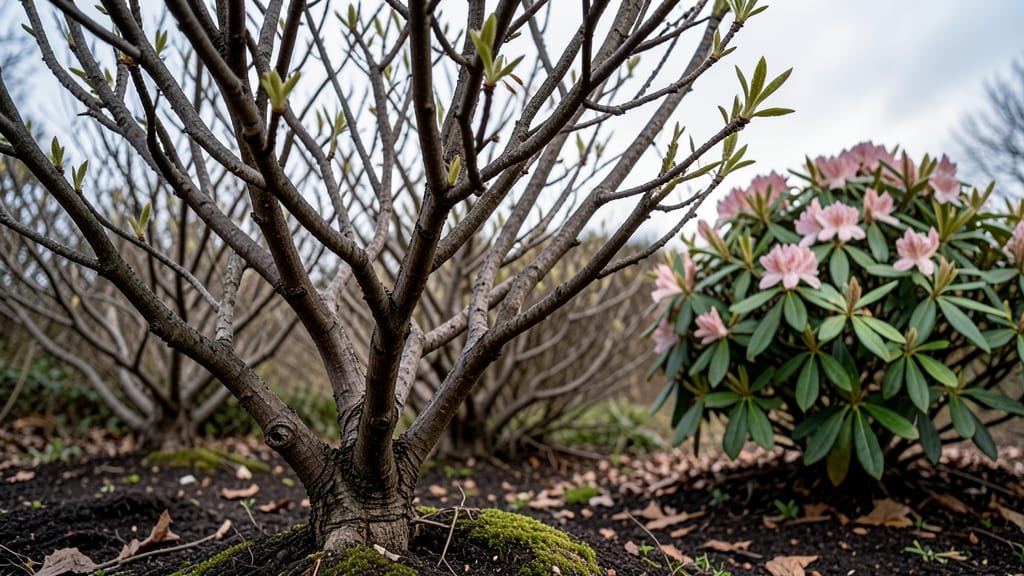
Mastering broadleaf tree and shrub pruning transforms your garden from chaotic to curated. These 10 year-round techniques ensure dense growth, healthier plants, and professional-looking landscapes—whether you're a beginner or seasoned gardener.
Winter Dormant Season Pruning for Broadleaf Trees

When your broadleaf trees stand bare in winter, their dormancy isn’t just a quiet period—it’s the perfect window to give them a health boost. Pruning during these cold months (December through early March) lets you remove deadwood and reshape their structure without stressing the plant, since it’s not actively growing or flowering.
Start by cutting out dead, diseased, or crossing branches first—these are easy to spot without foliage in the way. Then, thin out crowded areas to improve airflow, which prevents fungal issues like powdery mildew. Use clean, sharp tools and make cuts just outside the branch collar for the cleanest heal. This is also the ideal time to reshape young trees for future growth patterns.
Urban gardeners with limited space will especially appreciate how winter pruning keeps trees manageable while preventing future hazards. Plus, you’ll set the stage for vibrant spring blooms and lush foliage. 🌟
Spring Flowering Shrub Renewal Pruning

Your lilacs and azaleas just finished their spectacular spring show—but don’t celebrate yet! Pruning these spring-flowering shrubs immediately after blooming is the secret to next year’s even more dramatic display. This isn’t just maintenance; it’s a growth hack that keeps your shrubs bushy and blooming abundantly.
Focus on cutting back last year’s flower stems (they’ll be the faded branches) while leaving this year’s buds intact. For lilacs, trim just above the first set of leaves below the blooms, while azaleas respond well to a light thinning of crowded branches. Avoid heavy pruning—stick to removing no more than one-third of the plant’s volume to prevent shock. This timing ensures energy goes into next season’s flowers instead of seed production.
This technique is especially valuable for gardeners with limited space, as it keeps shrubs compact while maximizing floral impact. With just a few strategic cuts, you’ll transform last year’s overgrown shrubs into year-round performers. 🌻
Summer Light Pruning for Leafy Shrubs

Summer is peak growing season, but aggressive pruning can turn your leafy shrubs into stressed, leggy shadows of their former selves. Instead of heavy cuts, try light pruning to maintain shape and density without stunting new growth—perfect for hydrangeas, abelias, and other dense broadleaf shrubs.
Focus on removing only the longest, leggiest stems that spoil the shape, cutting just above a leaf node or side branch. Avoid trimming more than one-third of the foliage at once, and always use sharp, clean tools to prevent tearing. This approach keeps your shrubs lush while encouraging bushier growth for years to come.
Urban gardeners with limited space will love this method—it keeps shrubs compact and thriving without the risk of over-pruning. Just a few minutes every few weeks makes all the difference. 🌿
Fall Cleanup Pruning for Disease Prevention

Autumn’s fallen leaves aren’t just a seasonal nuisance—they’re a fungal buffet for pests lurking in your oak leaf hydrangeas and other broadleaf shrubs. Leaving infected debris on the ground creates the perfect overwintering conditions for diseases like powdery mildew and leaf spot.
Start by raking up all fallen leaves and removing any branches showing signs of brown spots, mold, or discoloration. Sterilize your pruners with rubbing alcohol between cuts to prevent spreading spores. For evergreen shrubs, focus on clearing debris from the base where moisture lingers. This simple cleanup reduces next year’s disease pressure by up to 70%.
Gardeners in humid climates or those with shade-loving broadleaf plants will see the biggest benefits—your shrubs will enter dormancy healthier and burst into growth sooner in spring. 🌿
Structural Pruning for Young Broadleaf Trees

Skip the "wait-and-see" approach with young broadleaf trees—structural pruning in their first few years sets the stage for a lifetime of strong, balanced growth. This isn’t just about trimming; it’s about strategically removing competing branches and guiding the central leader (main upward stem) to create a sturdy framework.
Start by identifying the tallest, straightest branch to serve as your central leader. Remove any branches growing at sharp angles (less than 45 degrees) or those rubbing against the leader—these create weak crotches that split under weight. Thin out crowded branches from the bottom up to improve airflow and sunlight penetration. Use clean, sharp tools to make cuts just outside the branch collar (the swollen area where the branch meets the trunk).
This method is a game-changer for gardeners planting new trees in landscapes, as it prevents future headaches like storm damage or structural failure. Even a small investment of time now saves hours of corrective pruning later. 🌟
Renewal Pruning for Overgrown Shrubs

That wild, unruly shrub in your yard doesn’t have to be a lost cause—renewal pruning is your secret weapon for a full comeback. By drastically cutting back overgrown shrubs like forsythia, privet, or lilac, you’re not just tidying up; you’re jumpstarting a lush, dense regrowth that rivals their former glory.
Timing is key: perform this radical cutback in late winter or early spring, just as new growth begins. Use sharp pruners or a hedge trimmer to reduce the shrub by one-third to one-half—yes, it looks drastic, but trust the process. Focus on removing old wood and thinning crowded centers to improve airflow. Within 8-12 weeks, you’ll see vibrant new shoots emerging, and by next season, your shrub will be fuller and healthier than ever.
This technique is a game-changer for urban gardeners with limited space or anyone tired of shrubs that’ve outgrown their charm. Just remember: the bolder the cut, the more spectacular the rebound! 🌟
Pinching Back New Growth for Bushier Shrubs

Want your boxwoods or abelia to look fuller and more lush without heavy pruning? Pinching back new growth in early summer is your secret weapon. This simple technique redirects energy from vertical growth to producing more lateral branches, creating a denser, bushier shrub over time.
Use clean fingers or sharp scissors to pinch off the top inch of new growth on each stem when shoots are about 4-6 inches long. Focus on the outer tips to encourage branching from lower buds. Repeat every 2-3 weeks during the growing season for continuous density. This method works best on evergreen shrubs like boxwoods, junipers, and dwarf gardenias.
Perfect for small-space gardeners or those who prefer low-maintenance landscaping, pinching transforms leggy shrubs into thick, vibrant hedges. Try it this summer for a fuller look next year! ✨
Thinning Out Crowded Branches in Mature Trees

Mature broadleaf trees like maples and oaks often develop thick canopies that block sunlight and trap moisture—perfect conditions for fungal diseases. Thinning crowded branches isn’t just about aesthetics; it’s a health imperative that extends the life of your tree.
Focus on removing crossing or rubbing branches first, then thin from the inside out to improve airflow and light penetration. Use sharp pruning tools to make clean cuts just outside the branch collar, avoiding excessive removal—never take more than 25% of the canopy in one season. This method reduces stress while preventing weak branch growth.
This technique is especially valuable for urban gardeners with limited space or homeowners dealing with shade-loving trees. Proper thinning now means fewer disease issues and stronger structural support for decades to come. ✨
Hedge Pruning for Uniform Broadleaf Shrubs

Want a hedge that looks like it belongs in a high-end landscape but doesn’t require a green thumb? Uniform broadleaf shrubs like privet and boxwood thrive with frequent, precise pruning—the secret to those crisp, clean edges you admire.
Start with sharp, clean tools (hedge shears or an electric trimmer) to avoid tearing foliage. Trim just outside the bud at a 45-degree angle for the neatest lines, and space cuts every 1-2 inches for even growth. Prune every 4-6 weeks during the growing season to maintain shape and density—this prevents leggy growth and keeps your hedge lush.
This technique is perfect for urban gardeners with limited space or anyone craving a polished look with minimal effort. A well-maintained hedge adds instant curb appeal and defines garden spaces beautifully. ✨
Rejuvenation Pruning for Declining Shrubs

When your rhododendrons or azaleas look tired and sparse, don’t toss them out—try rejuvenation pruning! This dramatic but effective technique involves cutting back struggling shrubs to the ground, which may seem scary, but it’s the secret to sparking fresh, vigorous growth from the base.
Timing is key: perform this in late winter or early spring before new growth begins. Use clean, sharp pruners to cut all stems down to about 2-3 inches above the soil. While it may look brutal, your shrubs will reward you with dense, lush foliage within a single growing season. This method works wonders for overgrown or leggy shrubs that haven’t responded to lighter pruning.
Perfect for gardeners who’ve given up on struggling plants, this technique is especially transformative for acid-loving shrubs like pieris or camellias. Just add a layer of mulch afterward to protect new growth and retain moisture. 🌱