
Pruning
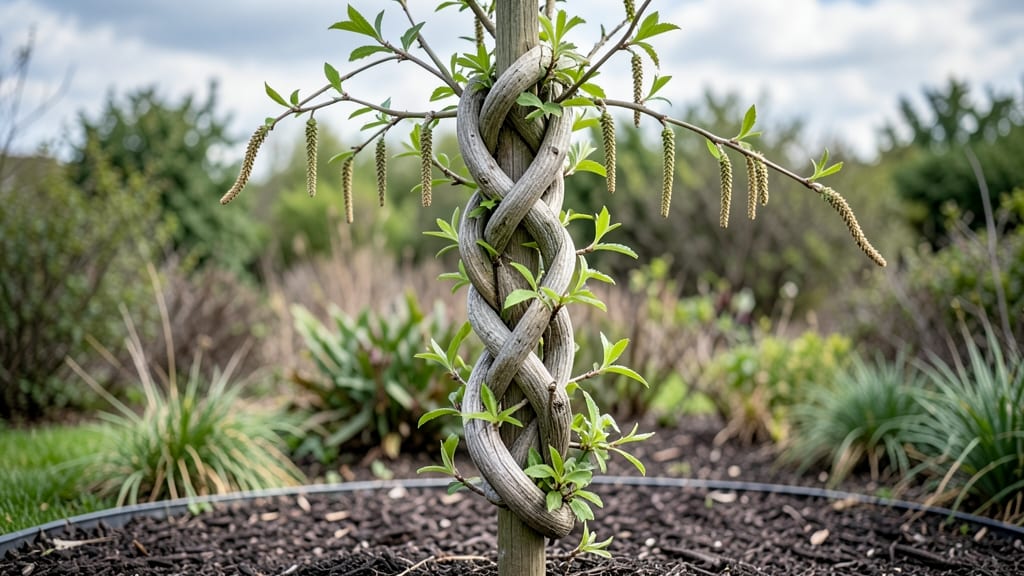
A fully grown braided willow tree, full grown can reach between 10 and 20 feet, transforming any garden into a living work of art—but only if you prune it right.
Picture this: a graceful, twisting silhouette that dances with the wind, its braids swaying like a natural sculpture. Yet, without the right care, those braids can unravel, and the tree can grow wild, losing its charm.
The key to keeping it stunning lies in understanding its growth patterns and pruning techniques that preserve its shape.
Whether you’re dreaming of a privacy screen, an eye-catching arbor, or a conversation starter in your yard, this tree’s mature size and ornamental value make it a standout. But how do you ensure it stays as breathtaking as the day you planted it?
In this guide, I’ll walk you through everything you need to know—from how tall it truly gets to the step-by-step pruning secrets that keep those braids perfect year after year.
How tall does a braided willow tree grow full grown?
A braided willow tree reaches its full-grown height between 10 to 20 feet, depending on growing conditions and care. Unlike traditional willows that grow wild and unstructured, this ornamental variety is trained into a stunning, braided design that requires consistent maintenance.
Without proper pruning, it can easily exceed 20 feet, losing its signature shape and becoming unwieldy in smaller gardens.
The mature height of a braided willow tree makes it a dramatic focal point, but its growth rate varies. In ideal conditions—like full sun exposure and well-draining soil—you can expect 3 to 5 feet of growth per year in its early years.
By year three, the tree typically reaches 6 to 8 feet, with full braiding often visible by year five or later, depending on how aggressively you prune.
| Growth Stage | Height Range | Time to Reach | Key Care Notes |
|---|---|---|---|
| Year 1 | 1–2 ft | Planting season | Stake young tree; water deeply |
| Year 2 | 3–5 ft | Spring of Year 2 | Begin light pruning to encourage braiding |
| Year 3 | 6–8 ft | Spring of Year 3 | Prune aggressively to maintain shape |
| Mature (Years 5+) | 10–20 ft | 5–7 years | Annual pruning; fertilize lightly in spring |
| Regional Variations | 12–16 ft (cooler climates) | USDA Zones 5–9 | Protect from harsh winters; mulch heavily |
Your braided willow tree’s final height depends heavily on your climate zone. In warmer regions like USDA Zones 8–10, these trees can reach the upper end of the 10–20 ft range more quickly due to longer growing seasons.
In contrast, cooler climates (Zones 5–7) may see slower growth, typically maxing out around 12–16 feet unless you provide extra care, like winter protection and early spring fertilizing.
Soil quality also plays a critical role in determining how tall your braided willow tree grows. Well-draining, slightly acidic soil (pH 6.0–7.0) is ideal, as it prevents root rot while allowing the tree to absorb nutrients efficiently.
If your soil is clay-heavy or waterlogged, growth will slow, and the tree may struggle to maintain its braided structure. Amending the soil with compost or sand before planting can make a noticeable difference in both height and health.
Pruning habits are the single most influential factor in controlling your braided willow tree’s height. Without regular pruning, the tree will grow tall and wild, losing its artistic form. I recommend pruning in late winter or early spring to shape the braids while new growth is just beginning.
Use sharp, sterilized pruners to cut back overgrown branches by one-third each year, focusing on maintaining symmetry and balance in the braids.
Another key consideration is the spacing between braids. If you plant your braided willow tree too close to structures like fences or buildings, its mature height can become a problem.
Always allow at least 10 feet of clearance around the tree to accommodate its full-grown size and prevent damage from rubbing against surfaces. In smaller gardens, consider dwarf varieties or container-growing options, though these may not achieve the same dramatic height.
If you’re wondering when your braided willow tree will reach its full braided form, patience is key. Most gardeners see noticeable braiding by year three or four, but the full effect—with intricate, intertwined branches—typically takes 5 to 7 years of consistent pruning.
Early pruning sets the foundation, so don’t skip this step even if the tree seems small. The more you train the branches, the more stunning the final result will be.
For those in urban gardens or small yards, a braided willow tree can still work if you commit to regular height control. Topping the tree annually (cutting the topmost growth) can limit height to 8–10 feet, though this may slightly alter the braided appearance.
Always use a clean cut just above a leaf node to encourage healthy
Step-by-step braided willow tree pruning guide for perfect shape control
A braided willow tree reaches its full-grown height of 10-20 feet with proper care, but maintaining its iconic braided form requires precise seasonal pruning. Without regular shaping, the branches can grow wild, losing the elegant twist that makes this tree a garden showstopper.
I’ve pruned my own willow braids for years, and I’ve learned the best techniques to keep them tight and healthy.
Timing is everything—prune at the wrong season, and you risk stunting growth or encouraging disease. The key is to prune in late winter or early spring before new growth begins, or in summer after flowering to avoid disturbing the tree’s energy.
Grab your sharp pruning shears and follow my step-by-step guide to keep your braided willow tree looking like a masterpiece.
- 1 Choose the right season—prune in late winter (Feb-March) or early summer (June-July) to avoid disturbing new growth or flowering.
- 2 Gather your tools: bypass pruners, loppers for thicker branches, gloves, and a sterilizing solution (1 part bleach to 9 parts water) to prevent disease.
- 3 Start by removing dead or diseased branches first—cut them back to the main trunk or healthy growth. Sterilize your tools between cuts to avoid spreading pathogens.
- 4 Shape the braided sections by trimming overgrown tips to encourage tighter twists. Cut at a 45-degree angle just above a leaf node or outward-facing bud.
- 5 Thin out crowded branches to improve airflow—remove 1/3 of the oldest growth to stimulate new, vibrant shoots and maintain the tree’s upright structure.
- 6 Finish with a light fertilizer application (10-10-10) to support recovery. Water deeply at the base of the tree to encourage root growth.
One of the most common mistakes I see is pruning too late in the season, which can leave the tree vulnerable to frost damage or weak growth. Another is cutting back too aggressively, which stresses the tree and disrupts its natural braiding pattern.
Always aim to remove no more than 25% of the foliage in a single session.
If your braided willow tree starts to look lopsided or the twists loosen, it’s a sign you’ve skipped pruning for too long. Don’t wait until it’s a messy tangle—consistent care keeps it looking like a living sculpture.
For extra support, use soft ties to gently guide branches back into place after pruning.
With the right pruning schedule and techniques, your braided willow tree will stay healthy, compact, and full of character for years. Just remember: patience and precision are key—rush the process, and you’ll end up with a wild, unruly mess instead of a garden masterpiece. 🌳✂️