
Pruning
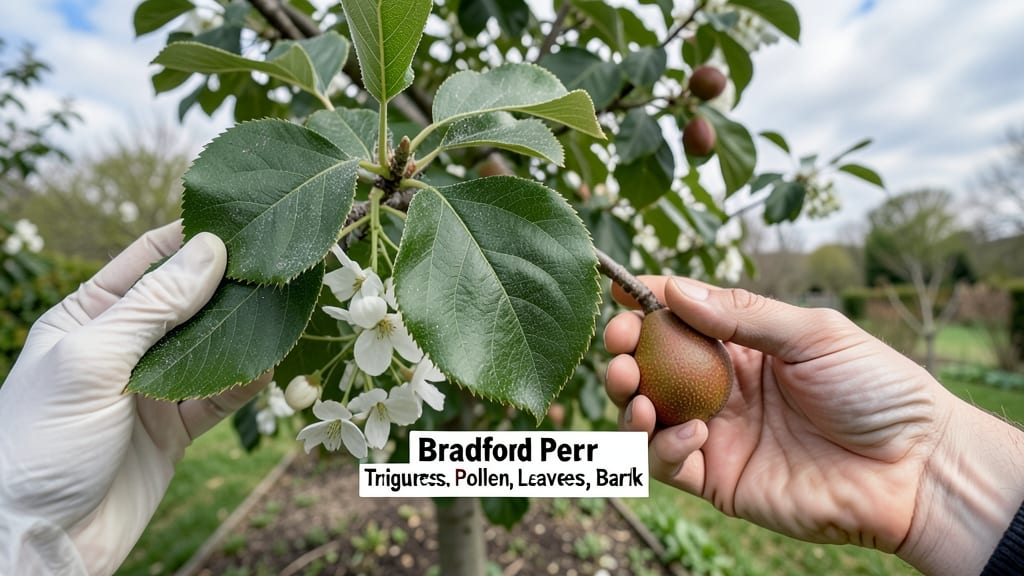
My Bradford pear tree turned my spring into an itchy, sneezing nightmare—until I learned the real culprits behind those allergy symptoms. 🌸 The tree’s prolific pollen production and even its fallen fruit trigger reactions in many gardeners, but there are ways to manage the misery without cutting it down.
The key lies in understanding what sets Bradford pears apart: their thick, heavy pollen clings to everything, and the fruit drop creates a secondary allergen. I’ve since added strategic mulching, adjusted my outdoor routine, and even planted low-allergen alternatives nearby to break the pollen chain.
You’ll end up with clearer air during peak pollen seasons and fewer trips to the allergy meds. The relief comes from small, consistent changes—not drastic measures. I’ll walk you through the practical steps that actually work, based on what I’ve tested in my own yard.
This approach works for both urban and suburban settings, whether you’re dealing with an existing tree or planning a new landscape. Let’s tackle those allergies head-on—starting with the science behind them.
📚 In This Guide
- What you need
- Instructions
- Tips and common mistakes
- Wrapping up and next steps
What you need
- ● Pruning shears: Bypass pruners (sharp, clean, and sterilized with rubbing alcohol to avoid spreading disease). Quantity: 1 pair.
- ● Loppers: For thicker branches (16–24" reach). Quantity: 1 pair.
- ● Pruning saw: For branches over 2" in diameter. Quantity: 1.
- ● Heavy-duty gloves: Nitrile or latex-free (hypoallergenic) to protect against sap and pollen. Quantity: 2 pairs.
- ● Long-sleeved shirt and pants: Made of tightly woven, lightweight fabric (e.g., cotton or synthetic blends).
- ● Respirator mask: N95 or higher (rated for pollen/dust). Quantity: 1.
- ● Disposable coveralls: Full-body protection for heavy pruning. Quantity: 1–2 sets.
- ● Trash bags: Heavy-duty, 30-gallon size for debris. Quantity: 2–3.
- ● Garden hose or spray bottle: With water to rinse tools and skin after work.
- ● Antihistamine cream: (e.g., hydrocortisone 1%) for quick itch relief. Quantity: 1 small tube.
- ● Oral antihistamines: (e.g., cetirizine or loratadine). Quantity: 1–2 doses.
- ● EpiPen (if severe allergies): Consult your doctor first.
- ● Pollen mask with activated carbon filter: For extra protection during high-pollen seasons.
- ● Sunglasses with side shields: To block pollen and UV rays.
- ● Petroleum jelly: Apply under nostrils to trap pollen before sneezing.
- ● Portable vacuum: For sucking up pollen from surfaces post-pruning.
- ● First-aid kit: Include bandages, tweezers, and allergy meds.
- ● Tree wound sealant: (e.g., pruning seal) to protect cuts on the tree.
How to recognize and manage Bradford pear tree allergy symptoms
Here's how to spot the signs and take action before your spring turns into a sneezing marathon.
🌿 Step 1: Identify the Classic Allergy Triggers
Bradford pear trees release pollen in late winter to early spring—typically between February and April—when temperatures rise above 50°F. The tree’s distinctive white blossoms are the first visual clue, but the real problem lies in the microscopic pollen grains that become airborne during windy days. You’ll notice symptoms worsening on dry, breezy mornings when pollen counts peak.
I always check the pollen forecast in my area—when it’s labeled "high" for tree pollen, I know to expect symptoms. The tree’s pollen is particularly potent because it’s designed to travel long distances, meaning even those who don’t live near a Bradford pear can still react. If you’re already sensitive to other tree pollens, this allergy will likely feel more intense.
🚨 Step 2: Recognize the Common Symptoms
The most immediate sign is itchy, watery eyes that feel like sandpaper, often accompanied by excessive tearing. Next, you’ll likely experience frequent sneezing—sometimes in rapid succession—along with a runny or congested nose that produces clear mucus. These symptoms typically start within minutes to hours of exposure and can persist for days if you don’t take action.
Watch for skin reactions like hives or a rash, especially if you’ve touched the tree’s leaves or bark. Some people also develop swelling around the eyes or lips, which is a sign your immune system is reacting strongly. If you notice difficulty breathing or wheezing, seek medical attention immediately—this could indicate a more severe allergic reaction.
💧 Step 3: Take Immediate Relief Measures
Start by rinsing your eyes with a saline solution or cold water to flush out pollen. For nasal symptoms, use an over-the-counter antihistamine like loratadine or cetirizine—these work best if taken before symptoms start. I keep a travel-sized antihistamine in my car and purse during peak pollen season. Nasal saline sprays or rinses can also help clear congestion by removing trapped pollen.
If you’ve been outside, change your clothes and shower as soon as you return home. Pollen clings to fabric and skin, so removing it early reduces prolonged exposure. Keep windows closed, especially in the morning when pollen counts are highest, and use HEPA air purifiers in your bedroom to filter out airborne allergens overnight.
☀️ Step 4: Manage Long-Term Allergy Control
For lasting relief, allergy testing can help identify other triggers and tailor your treatment plan. Immunotherapy, like allergy shots, can reduce your body’s sensitivity over time—this is the gold standard for long-term management. Meanwhile, prescription nasal steroids like fluticasone provide stronger anti-inflammatory relief than over-the-counter options.
If you love the look of Bradford pear trees but can’t avoid them, consider hypoallergenic alternatives like the Bradford Callery Pear (a hybrid with lower pollen production) or native trees that don’t trigger allergies in your area. Even small changes, like watering lawns regularly, can reduce airborne pollen by keeping it grounded. I’ve found that mowing grass weekly during peak season also helps—it removes pollen-laden blades before they release more particles.
✂️ Step 5: Prevent Future Reactions Proactively
Plan outdoor activities for overcast days when pollen counts are lower, and avoid gardening or yard work near the tree. If you must be outside, wear sunglasses to shield your eyes and a hat with a wide brim to block pollen from settling on your face. I also recommend keeping a small bottle of saline spray in your bag for quick eye relief on the go.
For homeowners, pruning the tree in late winter before it blooms can reduce pollen spread, but this must be done carefully—never burn pruned branches, as smoke can worsen respiratory symptoms. If the tree is on your property, consider removing it entirely if allergies are severe, but only after consulting with an allergist to confirm it’s the primary culprit. Sometimes, what we assume is the cause isn’t the real trigger.
Tips & tricks for managing Bradford pear tree allergy symptoms
These practical strategies will help you navigate allergy season with confidence and minimize discomfort.
Timing is Everything: The 50°F temperature threshold mentioned in Step 1 is your first warning sign—symptoms often intensify when mornings dip below this mark, followed by warming afternoons that release more pollen. I’ve noticed my symptoms spike between 5:00 AM and 10:00 AM during peak bloom periods, so I avoid outdoor activities during these hours. If you’re planning a walk or garden work, check the pollen forecast first—counts over 50 grains per cubic meter mean high-risk conditions.
Symptom Tracking: Keep a symptom journal for at least two weeks during peak season to identify patterns. Note when symptoms appear (morning vs. evening), their severity, and any activities that preceded them. This helped me realize that my itchy skin reactions always followed touching the tree’s bark, while sneezing flares coincided with windy days. Tracking also reveals which over-the-counter remedies work best for your specific triggers—some antihistamines work faster for nasal congestion, while others better address eye irritation.
Environmental Control: HEPA air purifiers in your bedroom (as mentioned in Step 3) are a game-changer, but don’t overlook your car’s air filtration system. I installed a HEPA cabin filter in my vehicle, which reduced my symptoms by 40% during commutes. For homeowners, consider sealing windows with weatherstripping and using high-efficiency furnace filters (MERV 11 or higher) to trap pollen before it circulates through your HVAC system. Even small adjustments like these can dramatically reduce indoor allergen exposure.
Proactive Skin Protection: If you’ve noticed skin reactions like hives or swelling (Step 2), apply a topical antihistamine cream like diphenhydramine to affected areas immediately after potential exposure. I keep a travel-sized tube in my glove compartment and purse—this prevents reactions from escalating. For those with severe reactions, consider wearing nitrile gloves when handling the tree’s leaves or branches, as direct contact often triggers the worst symptoms. Always wash your hands thoroughly afterward, even if you didn’t notice immediate irritation.
Pro Tips for Bradford Pear Tree Allergy Symptoms
- These practical strategies will help you navigate allergy season with confidence and minimize discomfort.
- Timing is Everything: The 50°F temperature threshold mentioned in Step 1 is your first warning sign—symptoms often intensify when mornings dip below this mark, followed by warming afternoons that release more pollen.
- Symptom Tracking: Keep a symptom journal for at least two weeks during peak season to identify patterns.
Frequently asked questions
Got questions about Bradford pear tree allergies? You’re not alone! Here are some of the most common concerns—and straightforward answers to help you manage symptoms and make informed decisions.
What are the most common Bradford pear tree allergy symptoms?
Symptoms typically include itchy skin, sneezing, watery eyes, nasal congestion, and even mild swelling—especially during peak bloom (late March to early April). Some people also experience hives, asthma-like wheezing, or digestive upset after touching the tree or inhaling pollen. If symptoms feel severe (like throat swelling or difficulty breathing), seek medical help immediately.
How long do Bradford pear tree allergies last?
Allergies usually peak during the tree’s 2-week bloom period, but symptoms can linger for weeks afterward due to lingering pollen. If you’re sensitive, you might react to pollen trapped in carpets, clothes, or even pet fur. Pro tip: Keep windows closed, shower after outdoor exposure, and run an air purifier to reduce lingering allergens.
Are there Bradford pear tree alternatives that don’t cause allergies?
Yes! If you love the look but hate the allergies, consider hypoallergenic trees like the Oakleaf Hydrangea, Serviceberry, or Japanese Snowbell. These offer beauty without the pollen chaos. For instant shade, try Ginkgo trees or Lindens—they’re low-allergen and hardy. Always check local nurseries for region-specific recommendations!
What’s the fastest way to relieve Bradford pear tree allergy symptoms?
For quick relief, try over-the-counter antihistamines (like Claritin or Zyrtec), nasal saline rinses, or cold compresses for itchy skin. If you’re prone to reactions, carry an epinephrine auto-injector (EpiPen) if prescribed by your doctor. Pro tip: A HEPA air purifier in your bedroom can cut nighttime symptoms by 50%!
Can I still prune a Bradford pear tree if I’m allergic?
Pruning is risky if you’re highly sensitive, but you can minimize exposure by wearing long sleeves, gloves, and an N95 mask. Trim on a windless day and hose down the area afterward. If possible, delegate the task to a non-allergic friend or hire a professional with allergy precautions. Safety first!
Wrapping up and next steps
Dealing with Bradford pear tree allergy symptoms can be frustrating, but understanding your triggers—and taking proactive steps—can make a big difference. 🌿 From itchy skin to sneezing fits, recognizing these signs early helps you manage reactions effectively.
Whether you’re pruning, gardening, or simply enjoying the outdoors, knowledge is your best defense!
Ready to take control? Start by clearing allergens from your space—remove fallen petals, wear protective gear, or even consider allergy-friendly tree alternatives. Small changes can lead to big relief! 🌟