
Trees
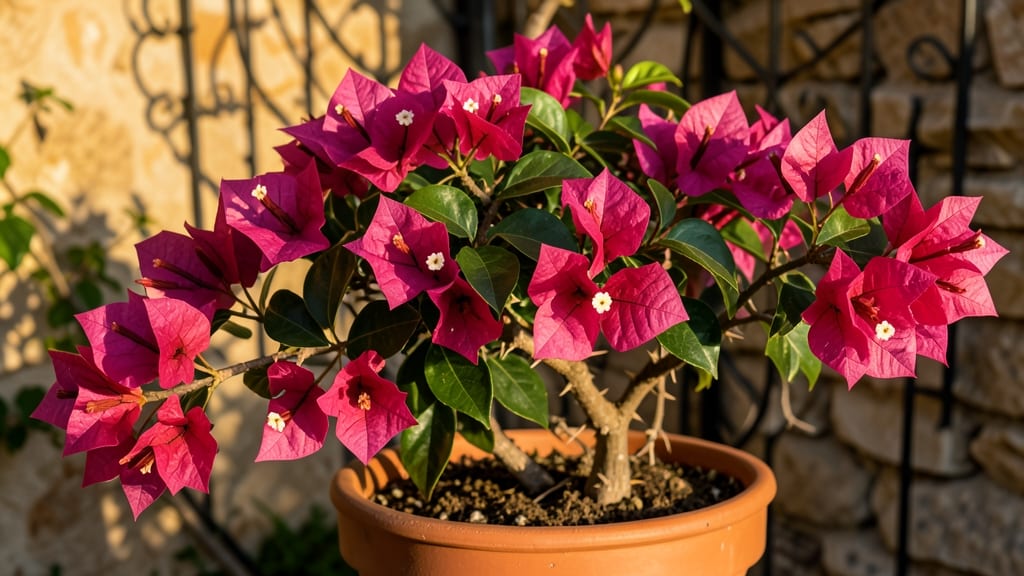
Your Florida landscape needs this bougainvillea tree’s vibrant pink and purple blooms that never quit—even when summer heat turns everything else brown. 🌿 This drought-proof stunner thrives in our intense sun and sandy soil, but only if you avoid the three mistakes that kill most Florida bougainvilleas.
The secret lies in well-draining soil (mix in sand or gravel) and minimal watering—overwatering is the #1 killer here. Once established, these plants drink less than your lawn, yet produce blooms year-round with the right pruning.
I’ve grown them in both coastal humidity and inland heat, and they never disappoint when treated right. You’ll end up with a low-maintenance tree that flowers nonstop, attracts hummingbirds, and handles Florida’s brutal summers like a champ.
The key is light pruning in late winter to shape growth and fertilizing lightly during spring flushes—no heavy feeding needed. Works for small yards, large landscapes, or even containers—just plant in full sun and let them shine. Here’s how to keep yours thriving through every Florida season.
📚 In This Guide
- What you need
- Instructions
- Tips and common mistakes
- Wrapping up and next steps
What you need
- ● Bougainvillea plant: 1 nursery-grown bougainvillea (preferred for faster blooms) OR
- ● Seeds or cuttings (if propagating from scratch)
- ● Well-draining soil mix: 60% native Florida soil + 30% perlite/pumice + 10% compost (or a cactus/succulent blend)
- ● Pot or planting hole: For containers: 1–2 gallon pot (minimum 12" diameter) with drainage holes
- ● For in-ground: Hole twice as wide as the root ball
- ● Slow-release fertilizer: 10-10-10 or 8-3-9 blend (1 tbsp per plant at planting)
- ● Garden tools: Trowel or shovel
- ● Pruning shears (sterilized)
- ○ Gloves (optional but recommended)
- ● Mulch: 2–3 inches of pine bark or gravel (to retain moisture and deter weeds)
- ● Support structure: Trellis, fence, or obelisk (for climbing varieties)
- ● Drip irrigation or hose: For consistent watering (especially in Florida’s heat)
- ○ Epsom salt (optional): 1 tbsp/month in water (boosts magnesium for vibrant blooms)
Step-by-Step instructions for planting bougainvillea in Florida
Florida’s climate is perfect for bougainvillea, and with these steps, you’ll have vibrant blooms all year.
🪴 Step 1: Choose the Right Location and Prepare the Soil
Bougainvillea thrives in full sun, so pick a spot that gets at least 6-8 hours of direct sunlight daily. In Florida’s intense heat, afternoon shade helps prevent leaf scorch, but morning sun is ideal. Avoid low-lying areas where cold air settles—bougainvillea is tender and can suffer damage in unexpected frosts.
Amend the soil with 2-3 inches of compost or well-rotted manure to improve drainage, which is critical since bougainvillea hates soggy roots. Florida’s sandy soil drains quickly, so adding organic matter helps retain moisture without suffocating roots. Test the pH—bougainvillea prefers slightly acidic to neutral soil (6.0-7.0). If your soil is too alkaline, mix in peat moss to adjust.
🌱 Step 2: Plant at the Right Time and Depth
Plant bougainvillea in late winter or early spring (February-March) when temperatures are warming but before the brutal summer heat sets in. Dig a hole twice as wide as the root ball but no deeper—planting too deep can suffocate the roots. Gently remove the plant from its container and loosen any circling roots with your fingers.
Place the bougainvillea in the hole so the top of the root ball sits level with the surrounding soil. Backfill with native soil mixed with compost, tamping lightly to eliminate air pockets. Water deeply to settle the soil and encourage root contact. Mulch around the base with 2-3 inches of organic mulch (like pine bark) to conserve moisture and regulate soil temperature—this is especially important in Florida’s summer heat.
☀️ Step 3: Water and Fertilize for Optimal Growth
Water newly planted bougainvillea deeply 2-3 times per week for the first month, ensuring the soil is moist 6 inches down. Florida’s humidity means bougainvillea needs less frequent watering once established, but drought stress reduces blooms, so don’t let the soil dry out completely. You’ll know it’s time to water when the top 1-2 inches of soil feel dry to the touch.
Fertilize lightly in early spring and mid-summer with a balanced, slow-release fertilizer (10-10-10). Bougainvillea is drought-tolerant but benefits from monthly feedings of phosphorus-heavy fertilizer (5-10-10) during blooming season to encourage vibrant flowers. Avoid over-fertilizing—too much nitrogen promotes leafy growth at the expense of blooms, which is the whole point of growing bougainvillea!
✂️ Step 4: Prune for Shape and Encourage Blooms
Prune bougainvillea after the last frost in early spring and again in late summer to shape the plant and encourage dense blooming. Use clean, sharp pruners to make cuts just above a leaf node or bud. Remove any dead, diseased, or crossing branches first—this improves airflow and reduces pests. You can also trim back up to one-third of the plant to encourage bushier growth.
Here’s the trick: bougainvillea blooms on new growth, so avoid heavy pruning in fall or winter. If you prune too late, you’ll sacrifice next year’s flowers. After pruning, apply a light layer of mulch around the base to protect roots and retain moisture. Watch for new shoots emerging from the base—these are your plant’s way of telling you it’s happy and ready for more sun!
🌿 Step 5: Protect and Maintain Through Florida’s Seasons
Florida’s unpredictable weather can stress bougainvillea, so watch for cold snaps. If temperatures dip below 30°F, cover the plant with frost cloth or move potted bougainvillea to a sheltered area. In summer, watch for spider mites or scale insects—these thrive in dry heat. Spray the plant with neem oil or insecticidal soap if you spot webbing or sticky residue on leaves.
Throughout the year, rotate the plant occasionally if grown in a container so it grows evenly toward the sun. If planted in the ground, trim back any leggy growth that stretches toward light. Bougainvillea is a low-maintenance star, but regular light pruning keeps it compact and flowering heavily. With the right care, your Florida bougainvillea will reward you with bold, colorful blooms from spring through fall—and maybe even into winter if you’re in a warmer microclimate!
Tips & tricks for thriving bougainvillea in Florida's climate
Florida’s sunshine and heat create perfect conditions for bougainvillea—with these insights, you’ll avoid common pitfalls and maximize those vibrant blooms.
Sunlight Strategy: While bougainvillea loves full sun, Florida’s intense afternoon heat can scorch leaves. Position your plant to receive morning sun (6-8 hours) with afternoon shade, especially in summer. I’ve seen bougainvillea in full sun all day thrive in coastal areas with ocean breezes, but inland plants benefit from that afternoon reprieve. Watch for yellowing leaves—this is your plant’s way of saying "too much sun!"
Soil Preparation Secret: Florida’s sandy soil drains too quickly for bougainvillea’s liking. The key is creating that perfect moisture balance with 2-3 inches of compost mixed into the planting hole. I like to add a handful of perlite to the mix for extra drainage—this prevents soggy roots while keeping moisture available. For containers, use a mix of 60% potting soil, 30% compost, and 10% perlite for optimal results.
Pruning Precision: Timing is everything when pruning bougainvillea. In Step 4, when you’re shaping after the last frost, make cuts just above a leaf node or bud—this encourages new growth where the blooms appear. I’ve learned the hard way that fall pruning kills next year’s flowers. Pro tip: After pruning, apply a light layer of mulch around the base to protect roots from Florida’s temperature swings. This also helps retain moisture during our dry spells.
Fertilizer Finesse: Bougainvillea responds beautifully to phosphorus-heavy fertilizer (5-10-10) during blooming season, but timing matters. In Step 3, when you apply your first spring feeding, split the dose into two applications—give half in early spring and the rest in mid-summer. Too much nitrogen at once leads to leafy growth instead of those show-stopping flowers. I’ve seen bougainvillea with lush foliage but no blooms because of over-fertilizing with the wrong ratio.
Pro Tips for Bougainvillea Tree Florida
- Florida’s sunshine and heat create perfect conditions for bougainvillea—with these insights, you’ll avoid common pitfalls and maximize those vibrant blooms.
- Sunlight Strategy: While bougainvillea loves full sun, Florida’s intense afternoon heat can scorch leaves.
- Soil Preparation Secret: Florida’s sandy soil drains too quickly for bougainvillea’s liking.
Frequently asked questions
Got questions about growing bougainvillea trees in Florida? You’re not alone! Here are some of the most common concerns—plus quick, practical answers to help you nurture this vibrant, drought-loving beauty.
Is bougainvillea invasive in Florida?
Bougainvillea is not classified as invasive in Florida, but it can spread aggressively in ideal conditions. To keep it contained, prune regularly and avoid planting near water sources. Always check local regulations—some counties may have restrictions on planting near roads or natural areas.
How long does it take for bougainvillea to bloom?
With proper care, bougainvillea can produce stunning blooms within 6–12 months of planting. For faster results, choose established nursery plants (1–2 years old) and provide full sun, well-draining soil, and minimal water. Pro tip: Deadhead spent blooms to encourage continuous flowering!
Can bougainvillea survive Florida’s humidity?
Bougainvillea thrives in Florida’s heat and humidity, but overwatering is its enemy. Let the soil dry out between waterings—these drought-resistant beauties prefer infrequent, deep soaks over constant moisture. Mulching helps retain moisture while preventing root rot.
Will bougainvillea survive Florida’s winter?
Most bougainvillea varieties are tender perennials and won’t survive Florida’s occasional cold snaps (below 30°F). Protect young plants with frost cloth or move potted bougainvillea indoors. Mature plants may lose leaves but often bounce back in spring. Hardier varieties like ‘San Diego Red’ tolerate slightly cooler temps.
What’s a good alternative if bougainvillea is too high-maintenance?
If you want low-maintenance, colorful Florida-friendly shrubs, consider:
- Firebush (Hamelia patens) – Drought-tolerant, attracts hummingbirds, and blooms year-round.
- Portulaca (Moss Rose) – Thrives in poor soil, loves heat, and produces cheerful flowers.
- Lantana – Nearly indestructible, drought-resistant, and blooms in vibrant clusters.
Wrapping up and next steps
Growing a bougainvillea tree in Florida is a rewarding way to add vibrant color and drought-resistant beauty to your landscape! With the right sun exposure, well-draining soil, and minimal care, these resilient plants will thrive year after year.
Whether you're a seasoned gardener or a beginner, embracing this tropical gem will bring joy and a pop of color to your outdoor space.
Ready to get started? Visit your local nursery to pick out your bougainvillea, and don’t forget to check out our FAQ section for extra tips! 🌺✨