
Pruning
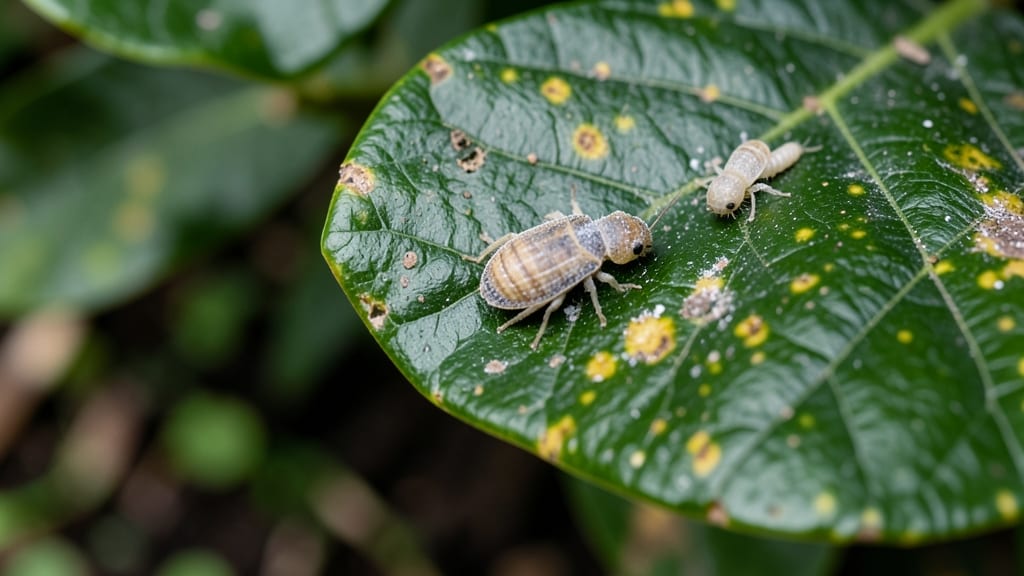
Avocado lace bugs, mites, and scale insects can turn your tree’s glossy leaves into a sad, skeletonized mess—but I’ve saved mine every time with these organic fixes. 🌿 The first sign is usually yellowing leaves or sticky residue on branches, and if you wait too long, the tree weakens and drops fruit.
The good news? You don’t need harsh chemicals to win this battle. Most infestations start when beneficial predators (like ladybugs) are outnumbered, or when stressed trees attract pests like lace bugs, which suck sap and leave behind a fine webbing.
Pruning to improve airflow and applying neem oil every 2 weeks keeps them at bay—my trees stay pest-free with just these two steps. The key is catching it early, before the bugs multiply beyond control.
By the end of summer, your tree will be thriving again with deep green leaves and no sticky mess. You’ll spot fewer pests, stronger new growth, and even better fruit production next season. The secret isn’t complicated—just consistent, organic care that outsmarts the bugs naturally.
Works for both backyard trees and container-grown avocados. Let’s get your tree back to its healthy best!
Root Causes of Avocado Tree Infestations
Understanding why insects target your avocado tree starts with recognizing the environmental, biological, and human-induced factors that create ideal conditions for pests. These aren’t random attacks—they’re strategic responses to stress, nutrition, or habitat changes.
Below, we break down the key triggers and why they turn your tree into a pest buffet.
A healthy avocado tree has natural defenses—thick bark, resinous sap, and a robust immune system—but when these weaken, insects move in like uninvited guests at a party with no bouncer. Here’s why defenses fail:
- Nutrient Deficiencies Avocados are heavy feeders, and a lack of key nutrients (like nitrogen, potassium, or zinc) weakens cell walls, making them easier for pests like avocado lace bugs or scale insects to penetrate.
A quick soil test can reveal imbalances—often, yellowing leaves or stunted growth are the first red flags.
- Water Stress Overwatering or drought creates stress cracks in bark and softens leaves, inviting mealybugs or thrips. Avocado trees prefer consistent moisture but hate soggy roots—poor drainage or irregular watering turns your tree into a pest magnet.
- Physical Damage Pruning wounds, hail, or animal scratches expose sap-rich tissues, which attract avocado seed moths or fruit flies. Always sterilize tools and seal cuts with pruning paste to minimize entry points.
Insects don’t choose trees randomly—they seek out microclimates that match their survival needs. Avocado trees often provide the perfect setup:
- Warm, Humid Microclimates Pests like avocado mites and whiteflies thrive in shady, humid pockets under dense foliage. Poor airflow from overcrowded trees or nearby vegetation creates stagnant, pest-friendly zones. Thin out branches and space trees 15–20 feet apart to improve circulation.
- Overripe or Damaged Fruit Soft, rotting, or bruised avocados emit volatile organic compounds (VOCs) that signal "easy prey" to fruit flies and avocado beetles. Regularly harvest ripe fruit and remove fallen or spoiled ones to cut off this food source.
- Mulch and Debris Buildup Thick mulch layers or leaf litter harbor ant colonies (which farm aphids) and fungal gnats. Keep mulch 2–3 inches deep and clear fallen leaves to disrupt breeding grounds.
Some pests don’t just attack—they partner up with other organisms to exploit your tree. Here’s how:
- Ants as Pest Protectors Ants like Argentine ants don’t eat avocado leaves, but they shield honeydew-producing pests (like scale insects) from predators. Without ants, natural enemies (like ladybugs) would keep scales in check. Disrupt ant trails with diatomaceous earth or borax barriers to break this cycle.
- Fungal or Bacterial Infections Weakened trees often co-infect with root rot or anthracnose, creating sweet, sticky exudates that attract fruit flies and wasps. Treat fungal issues with copper fungicides or neem oil to remove the allure.
- Bird and Animal Activity Birds pecking at fruit or possums digging near roots can scatter insect eggs or damage bark, inviting secondary infestations. Use netting on fruit and repellent plants (like marigolds) to deter wildlife.
Avocado trees in transition zones (like coastal California or Florida) face seasonal pest surges due to:
- Mild Winters: Pests like avocado lace bugs survive cold snaps better in warmer microclimates, leading to year-round activity.
- Monsoon or Rainy Seasons: Sudden humidity spikes boost fungal gnat populations, while dry heat attracts spider mites.
- El Niño/La Niña Effects: Unusual weather patterns disrupt natural predator-prey balances, causing explosive pest outbreaks.
Pro Tip: 🌡️ Monitor local pest calendars—many regions (like California’s Central Coast) have predictable infestation windows tied to rainfall or temperature shifts.
Even well-meaning gardening practices can backfire and invite pests: - Over-Fertilizing with Nitrogen: Leads to soft, sappy growth that avocado mites adore.
Use a balanced 6-6-6 or 8-3-9 fertilizer instead. - Ignoring Pruning Hygiene: Leaving dead wood or suckers creates hiding spots for avocado bark beetles. - Introducing Infested Plants: Bringing in new nursery trees or grafted scions can smuggle in hidden pests like avocado weevils.
Action Step: 🔍 Quarantine new plants for 2 weeks and inspect leaves/stems under a magnifying glass before adding them to your grove.
Natural Ways to Treat Avocado Tree Pests
If your avocado tree is under siege by insects, don’t panic—there are effective, organic ways to restore balance. The key is identifying the culprit and responding with targeted, eco-friendly solutions. Below, we’ll map common pests to their fixes, plus prevention tips to keep your tree thriving long-term.
These sap-sucking pests leave behind a sticky mess (honeydew) that attracts sooty mold. Here’s how to evict them:
🔥 Immediate Action: Manual Removal
- 👨🍳 Step 1: Wrap your hands in a damp paper towel or wear gloves.
- 🔪 Step 2: Gently scrape off visible colonies with a wooden stick or your fingers (they’re fragile!).
- 🌿 Step 3: Drop them into soapy water to kill them instantly.
🥘 Organic Sprays (Apply at Dusk)
- Neem Oil Solution: Mix 1 tbsp neem oil + 1 tsp mild dish soap + 1 quart water. Spray directly on infested areas (reapply every 5–7 days).
- Horticultural Oil: Use a 2% oil spray (like Safer® Brand) for a suffocating effect on eggs and adults.
💡 Prevention Tips
- 🌡️ Monitor humidity: Mealybugs love dry air—keep your tree’s soil consistently moist.
- 🎯 Introduce beneficial insects: Ladybugs and lacewings devour mealybugs. Buy them online or attract them with companion plants like marigolds.
- ✨ Prune strategically: Remove heavily infested branches and sterilize pruners with rubbing alcohol.
Scale insects attach themselves to branches and stems, draining nutrients. They’re tricky because their waxy shells repel many sprays.
🍳 Scrape & Smother
- 🔪 Step 1: Use a plastic scraper or soft brush to physically remove scales (focus on crevices and undersides of leaves).
- 🌿 Step 2: Wipe branches with a cloth dipped in rubbing alcohol (70% isopropyl)—this dissolves their protective coating.
🥘 Systemic & Contact Solutions
- 💊 Systemic Treatment: Apply imidacloprid (organic-certified) as a soil drench (follow label rates). This moves through the tree’s vascular system.
- 🍯 Sugar Soap Spray: Mix 1 tbsp castile soap + 1 tbsp vegetable oil + 1 gallon water. Spray thoroughly (reapply weekly).
💡 Prevention Tips
- 📊 Inspect new plants: Quarantine recently purchased trees for 2–3 weeks to spot hitchhikers.
- 🌿 Encourage ants: Ants farm scale insects for honeydew—disrupt their trails with diatomaceous earth (food-grade) around the trunk.
- ✨ Mulch properly: Use wood chips or straw (not plastic) to deter scale-loving environments.
This moth’s larvae burrow into stems, causing sudden wilting. Early detection is critical.
🔥 Emergency Pruning
- ⏰ Step 1: Act fast—cut out infested branches 2 inches below the damaged area using sterilized shears.
- 🔥 Step 2: Burn or bag the clippings (do not compost them).
🥘 Larvae Traps & Barriers
- 🌿 Pheromone Traps: Hang avocado moth traps (available at garden centers) to monitor and reduce populations.
- 🍯 Boric Acid Paste: Mix boric acid with water to create a paste, then apply it to pruning wounds to kill larvae.
💡 Prevention Tips
- 🌡️ Avoid overwatering: Damp wood attracts moths—water only at the base and early in the day.
- 🎯 Solarize soil: In warm climates, cover infested areas with clear plastic for 4–6 weeks to bake out larvae.
- ✨ Plant traps: Grow citrus or loquat trees nearby—moths prefer them over avocados.
These pests swarm leaves, leaving a white, smoky cloud when disturbed. They weaken trees by sucking sap.
🍳 Yellow Sticky Traps
- 🎯 Step 1: Hang yellow sticky cards near the tree to trap adults.
- 🔄 Step 2: Replace traps every 2 weeks or when saturated.
🥘 Spray Solutions
- 🌿 Neem Oil + Kaolin Clay: Mix 1 tbsp neem oil + 1 tbsp kaolin clay + 1 quart water. Spray undersides of leaves (where they hide).
- 💦 Water Blast: Use a strong hose spray to knock them off leaves (do this in the early morning).
💡 Prevention Tips
- 📊 Avoid over-fertilizing: Excess nitrogen attracts whiteflies—use a balanced fertilizer.
- 🌿 Companion planting: Surround your tree with basil, mint, or dill to repel them naturally.
- ✨ Beneficial nematodes: Apply Steinernema feltiae (microscopic worms) to the soil—they hunt whitefly larvae.
Remember: Consistency is key! Most organic treatments require 2–4 weeks of repeated applications. For severe infestations, combine methods (e.g., manual removal + neem oil + beneficial insects). With patience, your avocado tree will bounce back—and you’ll enjoy pest-free fruit in no time! 🥑✨
Frequently asked questions
What are the most common insects that attack avocado trees?
The top culprits include avocado lace bugs (tiny, black with lacy wings), scale insects (waxy bumps on branches), mealybugs (white, cottony clusters), and avocado seed moths (larvae that bore into stems). These pests thrive in dry, stressed trees and leave telltale signs like yellowing leaves or sticky residue.
How do I tell if my avocado tree has an insect problem?
Watch for yellowing or curling leaves, sticky honeydew on branches (a sign of sap-sucking pests), or tiny webs on leaf undersides. Check stems and leaves with a magnifying glass—visible bugs or eggs confirm the issue. Early detection is key to stopping small infestations before they spread.
Can I use neem oil on avocado trees?
Yes! Neem oil is safe and effective for avocado trees when used correctly. Mix 1 tablespoon neem oil + 1 teaspoon mild dish soap + 1 quart water, then spray infested areas at dusk every 5–7 days. It disrupts insect life cycles without harming the tree, but avoid spraying during hot sun to prevent leaf burn.
What’s the fastest way to remove scale insects from my tree?
For immediate results, scrape off visible scales with a plastic scraper or soft brush, then wipe branches with 70% rubbing alcohol to dissolve their protective coating. Follow up with a horticultural oil spray to suffocate remaining eggs. Repeat weekly until no new scales appear.
Will beneficial insects really help control avocado pests?
Introducing ladybugs, lacewings, or parasitic wasps can dramatically reduce pest populations naturally. These predators feast on lace bugs, mealybugs, and scale insects. Buy them online or attract them by planting marigolds, dill, or fennel near your tree to create a pest-free ecosystem.