
Trees
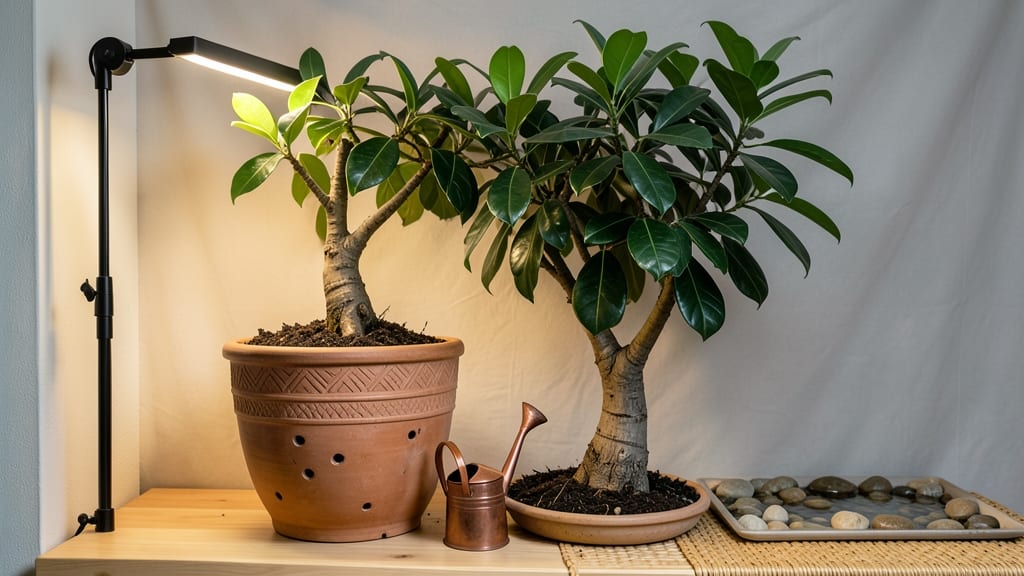
Growing an avocado tree in Ohio means choosing cold-resistant Mexican varieties like Hass or Reed, which handle light freezes better once mature. Start with indoor cultivation, use protective measures during winter, and keep potted trees mobile for quick relocation during cold snaps to improve survival odds in Ohio's unpredictable climate.
Ohio's chilly winters present real challenges for avocado trees, but the right approach makes it possible. 🌱 Mexican varieties thrive because they evolved in regions with occasional cold snaps, unlike their tropical West Indian cousins.
The key is patience—young trees need shelter until they reach about 5 years old, when their thicker bark offers better frost protection. I've seen container-grown trees survive Ohio winters with proper care, though they'll need winter dormancy periods indoors or in garages.
For best results, combine winter protection with summer sun exposure. Place your tree in the warmest microclimate you can find—south-facing windows or greenhouses work well. Mulching with straw or leaves adds an extra layer of insulation, while burlap wraps can shield the trunk during sudden cold snaps.
Remember, avocados need 6-8 hours of sunlight daily even in winter, so supplement with grow lights if natural light is limited.
💡 In This Article
- Cold-Hardy Avocado Varieties for Ohio’s Climate
- Winter Survival Strategies for Ohio Avocado Trees
Cold-hardy avocado varieties for Ohio’s climate
Avocados originate from three distinct regions—Mexico, Guatemalan highlands, and West Indies—each with unique cold tolerance. Mexican varieties like Hass and Reed thrive in Ohio because their ancestors evolved in regions with occasional 28-32°F dips, while West Indian types (like Fuerte) struggle below 30°F.
The key difference lies in their chilling requirements: Mexican varieties need minimal winter chill (0-200 hours below 45°F), unlike Guatemalan types that require 400+ hours of cold exposure—too much for Ohio's short winters.
What makes Mexican varieties special is their rootstock adaptations. Many commercial cold-hardy avocados graft Mexican scions onto hardier rootstocks like 'Duke 7' or 'Mexicola', which can survive 20°F for brief periods.
The thicker bark and denser wood of mature Mexican trees act as natural insulation, protecting the vascular system during cold snaps. Young trees, however, remain vulnerable until they reach 5-7 years old—their first line of defense against Ohio’s unpredictable winters.
Temperature tolerance varies dramatically by maturity stage. A 3-year-old Hass tree might survive 25°F for a few hours, but prolonged exposure below 20°F will cause irreversible damage. Mature trees (10+ years) can handle 18°F for short durations, thanks to their developed bark.
This is why container growing offers flexibility—you can move potted trees indoors or to sheltered spots during extended cold periods, giving Ohio gardeners a fighting chance.
Consider these three cold-hardy varieties for Ohio:
- Hass: Most popular Mexican type; tolerates 20°F when mature; produces creamy fruit with 20% oil content
- Reed: Mexican variety with 25°F tolerance; produces large, buttery fruit; ripens 3-4 weeks earlier than Hass
- Lamb Hass: Hybrid with 22°F resistance; yields 30% larger fruit than standard Hass
For best results, pair your chosen variety with a cold-resistant rootstock. The 'Mexicola' rootstock, for example, can withstand 15°F when grafted with Mexican scions, creating a hybrid tree that pushes Ohio's growing limits.
The trade-off? These grafted trees may take 3-5 years to bear fruit compared to 1-2 years for tropical varieties in warmer climates.
What most Ohio growers don't realize is that avocado trees actually benefit from a winter dormancy period. During Ohio's cold months, trees enter a semi-dormant state that helps them conserve energy for spring growth.
This natural cycle explains why container-grown trees need 6-8 weeks of cooler temperatures (50-60°F) indoors to prepare for active growth when moved back outside in spring. 🌱