
Pruning
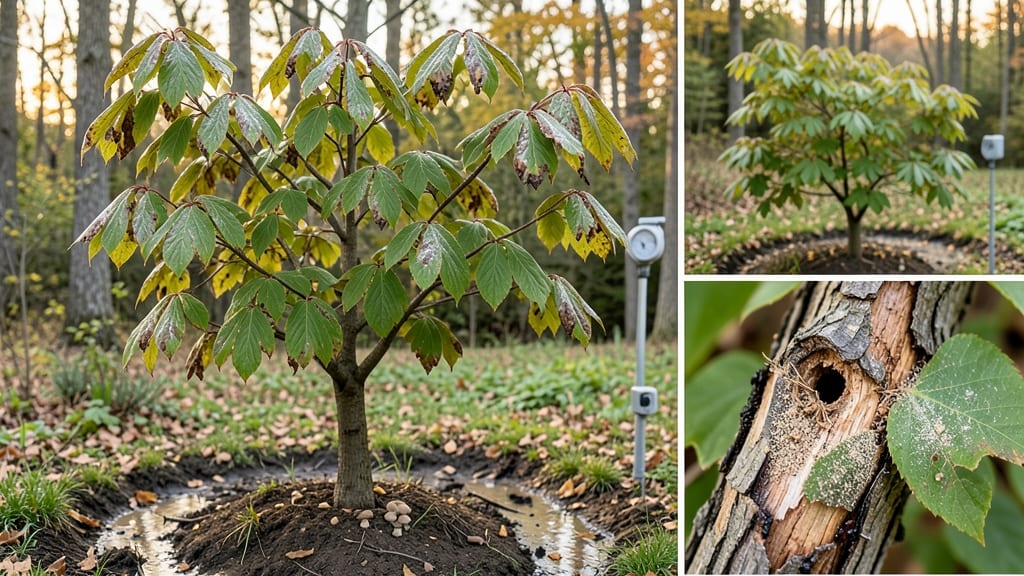
Why is my dogwood tree dying? Those sad, drooping branches might be screaming for help—overwatering vs. root stress is the first battle to diagnose. 🌳 I’ve watched healthy dogwoods turn into skeletal shadows overnight from too much love (yes, water can kill them) or roots struggling in compacted soil. The fix starts with checking the soil moisture and root zone, because both problems look eerily similar at first glance.
Yellowing leaves that start at the bottom? That’s often root stress—whether from poor drainage, construction damage, or soil that’s too dense. Overwatered trees, though, show wilting even when the soil’s soggy, and the bark might ooze sap.
Grab a trowel and dig down 2-3 inches: if it smells like a swamp, you’re drowning your tree. If it’s dry but crumbly, roots are gasping for air.
Here’s the good news: both issues are fixable. For overwatering, let the soil dry between waterings and improve drainage with organic matter. Root stress? Aerate the soil, mulch properly, and avoid compacting the area. Within weeks, you’ll see new buds pushing through—proof your tree’s fighting back.
Prevention is easier than rescue: water deeply but infrequently, test your soil’s drainage, and protect roots during landscaping projects. Dogwoods are tough but sensitive—give them the right care, and they’ll reward you with showstopping spring blooms for decades.
Root Causes Of Dogwood Decline
Dogwood trees (Cornus florida) are beloved for their stunning spring blooms and glossy foliage, but when they start wilting, dropping leaves, or showing signs of distress, the problem often traces back to underlying stressors.
Understanding why your dogwood is struggling is the first step to reviving it. Below, we break down the most common culprits—from soil issues to pests—and explain the science behind each one.
Dogwoods thrive in well-draining soil, and when their roots sit in soggy conditions, they suffocate. Overwatering is a leading cause of decline because it:
- Starves roots of oxygen: Waterlogged soil displaces air in the root zone, triggering anaerobic conditions (lack of oxygen). Roots rely on oxygen for respiration, and without it, they weaken and rot.
- Encourages fungal infections: Excess moisture creates the perfect environment for pathogens like Phytophthora (a water mold) and Armillaria (root rot fungus). These fungi clog root cells, blocking nutrient uptake.
- Leads to nutrient leaching: Overwatering washes away essential minerals (e.g., nitrogen, potassium) that dogwoods need to stay healthy.
🔍 Look for: Yellowing leaves (chlorosis), mushy brown roots, or a foul-smelling soil. If your tree is planted in clay or compacted soil, drainage is likely the issue.
Dogwoods are susceptible to several pathogen-driven diseases, each with distinct symptoms and causes:
#### 🌡️ Anthracnose (Colletotrichum gloeosporioides)This fungal disease thrives in cool, wet springs and attacks leaves, twigs, and fruit. It:
- Creates dark, sunken lesions on leaves (often with yellow halos).
- Causes premature leaf drop, weakening the tree’s ability to photosynthesize.
- Spreads via splashing water or infected plant debris.
💡 Pro Tip: Improve airflow around the tree and apply copper fungicide in early spring before buds swell.
#### 🍂 Bacterial Leaf Scorch (Xanthomonas campestris pv. cornicola)This bacterium clogs a dogwood’s water-conducting vessels (xylem), causing:
- Brown, crispy leaf edges (scorch) that spread inward.
- Wilting and dieback, especially in hot weather.
- No known cure—removal of infected trees is often necessary to prevent spread.
A common fungal issue in shady, humid conditions, powdery mildew appears as:
- A white, powdery coating on leaves.
- Stunted growth and reduced flowering.
🌡️ Fix It: Spray with neem oil or baking soda solution (1 tsp baking soda + 1 quart water + a drop of dish soap).
Insects can silently drain a dogwood’s vitality by feeding on sap, laying eggs in bark, or transmitting diseases.
#### 🐛 Dogwood Borers (Synanthedon spp.)These wood-boring moth larvae:
- Tunnel into branches and trunks, disrupting nutrient flow.
- Cause sawdust-like frass (borer excrement) at entry holes.
- Weaken the tree, making it susceptible to wind breakage.
🔪 Treatment: Prune and burn infested branches in late winter. Apply borer-specific insecticide (e.g., Bacillus thuringiensis) in early summer.
#### 🦟 Scale Insects (e.g., Oleander Scale)These sap-sucking pests cluster on stems and leaves, secreting:
- A sticky honeydew that attracts sooty mold (a black fungal growth).
- Toxic waste that stresses the tree, leading to yellowing and leaf drop.
💡 Quick Fix: Blast off scales with a hose or use horticultural oil in dormant season.
Dogwoods are sensitive to extreme conditions, and sudden changes can shock them into decline:
#### ☀️ Heat And Drought StressDogwoods prefer partial shade and consistent moisture. When exposed to:
- Intense sun + dry soil: Leaves curl and scorch (brown, crispy edges).
- Shallow root systems: They struggle to reach deep water, leading to wilting even in moderately dry spells.
💧 Solution: Mulch 3–4 inches deep (keep it away from the trunk) and water deeply 1–2 times per week during droughts.
#### ❄️ Winter Burn And Freeze DamageYoung dogwoods or those in exposed, windy areas can suffer:
- Desiccation (winter burn):** Leaves dry out in winter sun, turning brown and papery.
- Frost cracks: Rapid temperature swings split bark, inviting bacterial infections.
🛡️ Prevention: Apply anti-desiccant spray in late fall and wrap young trees with burlap in harsh winters.
Each of these issues compounds over time, so early diagnosis is key. Next, we’ll cover how to differentiate between overwatering and root stress—and what to do about it.
Revive Your Dogwood Tree Today
If your dogwood tree is struggling, don’t panic—most issues can be fixed with the right care. Below, we’ll break down practical solutions for the most common causes of decline, along with prevention tips to keep your tree thriving.
Think of this as a step-by-step guide to diagnosing and treating your dogwood’s ailments.
---
Fix: Adjust your watering habits and improve soil conditions.
1. 🔥 Check the Soil Moisture - Stick your finger 2-3 inches deep into the soil. If it’s soggy, your tree is overwatered. - Dogwoods prefer moist but well-drained soil—they hate "wet feet."
2. 🍳 Reduce Watering Frequency - Water deeply once a week (or less in rainy seasons) rather than daily shallow watering. - Pro Tip: 💡 Use a moisture meter or a simple DIY test—if water pools on the surface after 10 minutes, drainage is poor.
3. 👨🍳 Improve Soil Drainage - Amend heavy clay soil with compost or organic matter (like peat moss or coconut coir). - Consider raising the planting bed slightly to prevent waterlogging.
4. ⏰ Mulch Properly - Apply 2-3 inches of mulch (wood chips or pine straw) around the base, but keep it 6 inches away from the trunk to avoid rot.
Prevention: - Plant dogwoods in well-draining locations (avoid low spots where water collects). - Avoid compacting soil around the roots—walk around the tree instead of near it.
---
Fix: Loosen compacted soil and encourage healthy root growth.
1. 🔪 Aerate the Soil Gently - Use a hand trowel or garden fork to loosen soil around the root zone (avoid deep digging). - Focus on the top 6-12 inches of soil where roots spread.
2. 🥗 Add Organic Matter - Mix in compost or aged manure to improve soil structure and aeration. - Avoid fresh manure—it can burn roots.
3. 🌿 Prune Overcrowded Roots (If Needed) - If nearby plants or grass are competing, trim back aggressive roots with pruning shears. - Pro Tip: 💡 Plant dogwoods in partial shade to reduce stress from hot, compacted soil.
Prevention: - Mulch annually to prevent soil compaction. - Avoid heavy foot traffic near the tree’s base.
---
Fix: Identify the issue and treat it before it spreads.
1. 🐛 Check for Common Pests - Dogwood borers (tiny holes in bark) or scale insects (sticky residue on leaves). - Solution: Apply neem oil or insecticidal soap in early spring before pests emerge.
2. 🍄 Treat Fungal Infections - Powdery mildew (white coating on leaves) or anthracnose (dark spots). - Solution: Spray with copper fungicide or baking soda mix (1 tsp baking soda + 1 quart water + a drop of dish soap).
3. 🌡️ Improve Air Circulation - Thin out overcrowded branches to reduce humidity and fungal growth. - Pro Tip: 💡 Prune in late winter/early spring for best results.
Prevention: - Water in the morning to let foliage dry quickly. - Remove fallen leaves to reduce disease spores.
---
Fix: Adjust light exposure and protect the tree.
1. 🌿 Gradually Acclimate to Sun - If your dogwood was in shade, move it to partial sun slowly (over weeks, not days).
2. 💦 Provide Extra Water in Heatwaves - Deep water 2-3 times per week during extreme heat.
3. 🌡️ Use Shade Cloth (Temporary Fix) - If moving the tree isn’t an option, cover with 30-50% shade cloth for a few weeks.
Prevention: - Plant dogwoods in morning sun + afternoon shade for ideal conditions. - Avoid transplant shock—only move trees in early spring or fall.
---
- ✅ Reduce overwatering (let soil dry slightly between waterings). - ✅ Loosen compacted soil and add organic matter. - ✅ Treat pests/diseases with natural or targeted solutions. - ✅ Adjust sunlight if your tree is sunburned. - ✅ Mulch properly to retain moisture and regulate temperature.
With these steps, your dogwood should bounce back within a few weeks. Monitor progress and adjust care as needed—your tree will thank you with vibrant blooms and lush foliage next season! 🌸
Frequently asked questions
Why are my dogwood leaves turning yellow from the bottom up?
This is often a sign of root stress from poor drainage or compacted soil. Dogwoods hate soggy roots—check if the soil stays wet for more than a day after watering. Yellowing from the bottom suggests roots can't absorb nutrients properly. Try aerating the soil and adding compost to improve drainage.
Can I save my dogwood if it's already lost most of its leaves?
Yes, but act fast! First check for overwatering (stick your finger 2-3 inches deep—if soggy, reduce watering). If roots are healthy but stressed, prune back dead branches and fertilize lightly with balanced 10-10-10 in spring. New growth should appear within 4-6 weeks if the root system is still viable.
What's the difference between dogwood borer damage and fungal disease?
Borers create small, perfectly round holes in bark with sawdust-like frass (insect droppings) around them. Fungal diseases like anthracnose show as dark, sunken leaf spots with yellow halos. Borers weaken wood structure (look for splitting branches), while fungi cause leaf drop and stunted growth.
How often should I water a newly planted dogwood?
Water deeply 2-3 times per week for the first year to establish roots, then taper to once a week. The key is consistency—dogwoods prefer moist but well-drained soil. Use a moisture meter or dig down 2-3 inches: soil should feel damp, not soggy.
Is it too late to treat my dogwood in summer if it's already struggling?
Not necessarily! Focus on immediate relief: reduce watering if soil is soggy, apply mulch to retain moisture, and check for pests like scale or borers. For fungal issues, use copper fungicide or neem oil. While summer isn't ideal for heavy pruning, removing dead branches helps redirect energy to healthy growth.