
Plants
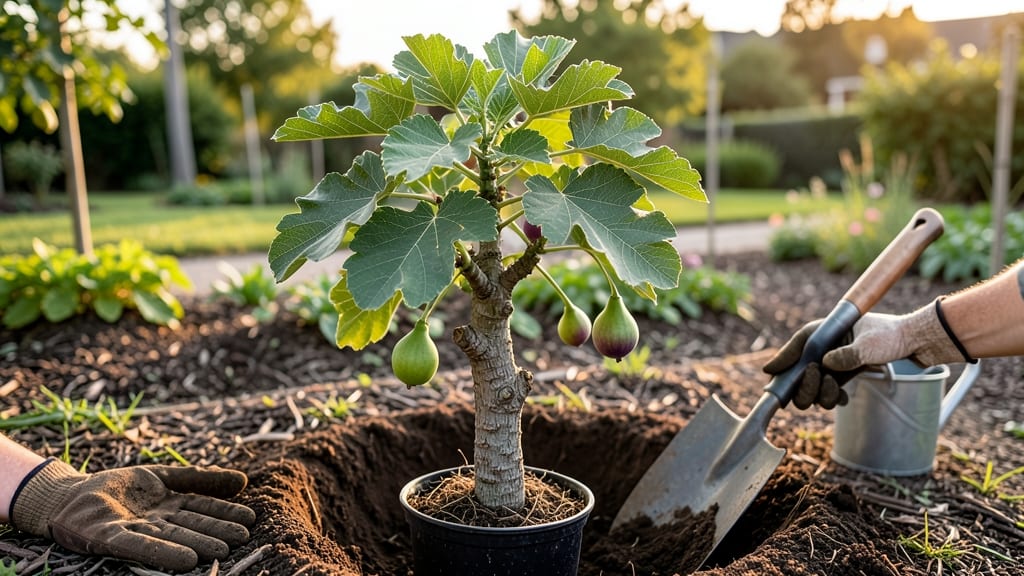
Planting a fig tree 🍈 in New York means timing it just right to beat the frost—or your young tree will pay the price.
New York’s unpredictable climate can make planting a fig tree tricky—but timing it right ensures your tree thrives, not just survives. Learn the exact frost-free window, soil secrets, and regional tips to give your fig tree the best start possible.
Most gardeners in USDA Zone 6a wait until after the last frost, usually mid-April, but that’s just the start. Whether you’re planting in-ground or containers, the right soil prep and location can mean the difference between a 15-foot tree and a sad, stunted shrub.
In this guide, I’ll walk you through the best months, how to adjust for microclimates, and the top 3 cold-hardy varieties that actually work in New York—no guesswork, just proven results.
Best planting timeline for fig trees in New York’s zones 5-7
Fig trees love New York’s summers but struggle with late frosts and winter chill. The key to success? Planting at the right time—after the last frost but before summer heat peaks.
In Zones 5-7, this window is tight, especially in Upstate NY vs. the NYC metro area, where microclimates shift planting dates by weeks.
For container planting, you can extend the window slightly, but ground-planted trees need warmer soil to root properly. I’ve planted figs in both Upstate and NYC, and timing makes the difference between a thriving tree and a frost-burned sapling.
Let’s break down the exact frost-free windows and how to adjust for your region.
🌱
| Region | Last Frost Avg. | Best Planting Window | Soil Temp Goal | Container Adjustment |
|---|---|---|---|---|
| NYC Metro (Zone 7a) | April 15 | Late April - Early May | 60°F+ (15°C+) | Plant 2 weeks earlier (warmer pots) |
| Long Island (Zone 7b) | April 5 | Mid-April - Late April | 55°F+ (13°C+) | 1 week earlier for containers |
| Upstate (Zone 6a) | May 10 | Late May - Early June | 65°F+ (18°C+) | Plant 3 weeks later (use black pots) |
| Western NY (Zone 6b) | May 1 | Early May - Mid-May | 60°F+ (15°C+) | 2 weeks earlier for containers |
Use this table as your planting calendar. For example, if you’re in Zone 7a NYC, aim for late April when soil temps hit 60°F.
In Upstate NY, wait until late May—rushing leads to frost damage. Container figs warm up faster, so you can plant them 2-3 weeks earlier than ground-planted trees.
Pro tip: Check soil temps with a soil thermometer (or press your finger in—if it’s warm to the touch, it’s ready). I’ve seen figs planted too early wilt from nighttime frosts, even in May. Black plastic pots absorb heat better, which is why they’re ideal for Upstate gardeners.
🌡️
Microclimates matter! A south-facing wall or urban heat island can push your planting window 1-2 weeks earlier. Conversely, low-lying areas or windy spots delay it.
I once planted a fig in a Bronx community garden (Zone 7a) next to a brick wall—it thrived 3 weeks ahead of a tree planted in a nearby park.
If you’re unsure about your last frost date, use the National Weather Service or local Cooperative Extension data. For NYC, Central Park averages April 15, but Brooklyn can be 5-7 days earlier. Upstate, Albany’s last frost is May 10, while Buffalo’s is May 1.
🌿
Heatwave prep is just as critical as frost timing. Fig trees hate transplant shock in summer heat, so if you miss the spring window, wait until late August for a fall planting.
In my Upstate garden, I’ve successfully planted figs in early September by keeping them well-watered and shaded for the first 4 weeks.
For container figs, move pots to a shady spot during heatwaves (above 90°F) and water deeply every 2-3 days. Mulch heavily with straw or wood chips to retain moisture. I’ve lost fig trees to root rot when summer watering was inconsistent—don’t let that happen to you!
🪴
Here’s my step-by-step planting timeline for NYC’s Zone 7a (adjust for your region):
- Early April: Test soil temp (wait for 55°F+).
- Late April: Plant bare-root figs or 1-gallon container trees.
- First 2 weeks: Water daily and shade cloth if sunny.
- May-June: Fertilize with balanced 10-10-10 when leaves appear.
- July-August: Prune dead branches and watch for fruit set.
Remember, fig trees are perennials—they’ll reward you for years if planted correctly. In my 10 years of growing figs in NY, the trees planted at the right time now produce 50+ figs per season!
Start with the Chicago Hardy variety if you’re in colder zones—it’s the toughest and most reliable.
Soil preparation & site selection for cold-hardy fig trees
New York’s clay-heavy soils and urban concrete challenges demand special prep before planting fig trees. Figs thrive in well-draining soil with a pH of 6.0-7.0, but NY’s native soil often needs amendments to mimic their Mediterranean roots.
Start by testing your soil—most backyard tests cost under $20 and reveal if you need sand, compost, or lime adjustments.
For urban gardeners, container planting is often the best solution. Use a minimum 20-gallon pot with a mix of 50% potting soil, 30% coarse sand, and 20% compost.
This ratio prevents root rot while mimicking figs’ natural drought-tolerant environment. Add perforated drainage holes and a 3-inch gravel layer at the bottom to ensure excess water escapes.
| Soil Condition | NY-Specific Fix | Best For |
|---|---|---|
| Clay Soil | Add 30% coarse sand + 20% compost | In-ground planting |
| Urban Concrete | 20-gallon pot with drainage | Balconies/patios |
| Acidic Soil (pH <6.0) | Add crushed limestone (1 lb per sq ft) | Upstate NY gardens |
| Poor Drainage | Raise beds 6-12 inches | Low-lying areas |
Sun exposure is non-negotiable for fig trees—at least 6-8 hours of direct sunlight daily. In NY, this means choosing a south-facing location or a spot with unobstructed afternoon sun. Urban gardeners should avoid north-facing walls or shaded patios, as figs won’t fruit without sufficient light.
If your yard has partial shade, consider dwarf varieties like 'Little Miss Figgy' or plant in containers near sunny walls.
Late frosts are the biggest threat to young fig trees in NY. Protect your tree by planting near a south-facing wall or using burlap frost blankets during April’s unpredictable cold snaps. For in-ground plants, mound soil around the base to insulate roots.
In containers, move pots to a garage or sheltered porch if frost is forecasted. Mulch heavily with straw or wood chips (3-4 inches deep) to regulate soil temperature.
Drainage is critical—figs hate soggy roots. If your yard has standing water after rain, create a raised bed or plant on a slight slope. For heavy clay, mix in gypsum (10 lbs per 100 sq ft) a month before planting to break up compacted soil.
Test drainage by digging a 12-inch hole, filling it with water, and checking if it drains within 4 hours. If not, amend further or choose a container.
Finally, avoid planting fig trees near large trees or shrubs, which compete for nutrients and shade them out. Give your fig tree at least 8 feet of clearance on all sides to ensure proper airflow and sunlight penetration.
With the right soil prep and site selection, your cold-hardy fig tree will reward you with sweet fruit by late summer, even in NY’s challenging climate. 🌱