
Blooming
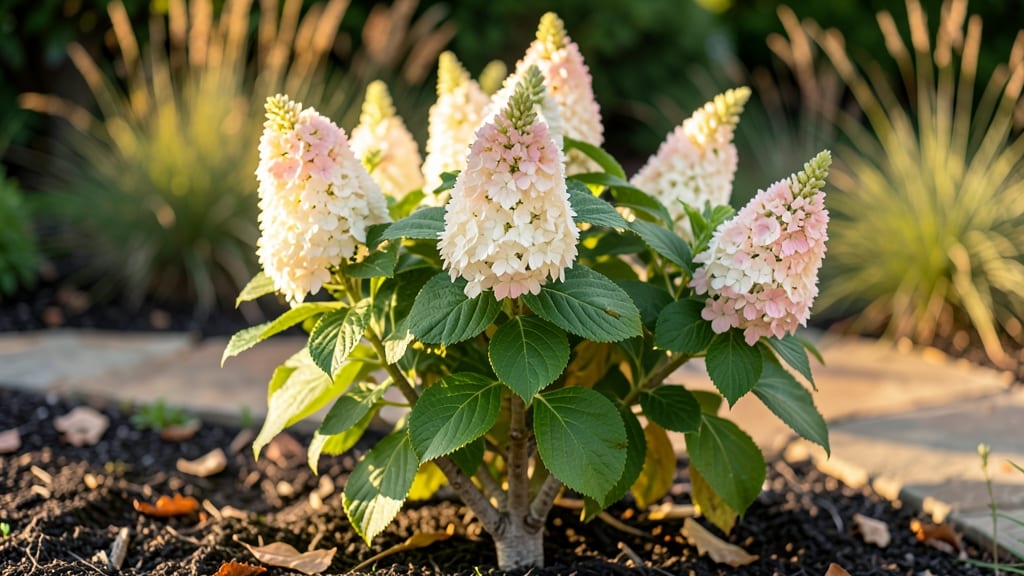
A hydrangea tree blooms in late spring to summer 🌸, with timing that shifts depending on your zone and the variety you’ve planted.
If you’ve ever wondered why your hydrangea tree isn’t blooming—or when to expect those stunning floral displays—timing is everything. The answer depends on the variety, your climate zone, and even last year’s growth, but knowing these key factors can help you plan for a showstopping spring or summer show.
For instance, Hydrangea paniculata varieties like ‘Limelight’ often bloom from mid-summer to early fall, while Hydrangea arborescens ‘Annabelle’ lights up gardens in early to mid-summer. In USDA Zone 6a, where many gardeners live, blooms typically arrive by June, but cooler springs can push them back.
Below, I’ll break down the exact bloom windows for popular varieties, how to adjust timing with simple pruning tricks, and the one mistake that keeps hydrangeas from flowering at all.
Hydrangea tree bloom times by variety: spring vs summer bloomers
Hydrangea trees are renowned for their showy blooms that transform gardens into vibrant canvases. But timing matters—some varieties burst into color in late spring, while others wait until summer’s peak.
Knowing your hydrangea’s bloom window helps you plan pruning, fertilizing, and even landscape pairings for year-round interest. Let’s break down the seasonal performers and how climate zones affect their schedules.
Not all hydrangeas follow the same script. Hydrangea paniculata (like 'Limelight') typically blooms in late summer, while H. arborescens ('Annabelle') often delivers mid-summer fireworks. Meanwhile, H. quercifolia (oakleaf) might surprise you with spring blooms followed by a second flush in fall.
Your USDA zone also shifts these timelines—expect earlier blooms in Zone 9 and delayed starts in Zone 5.
🌸
If you’re in USDA Zone 5, expect H. arborescens varieties like 'Annabelle' to bloom about 2–3 weeks later than in Zone 9.
For example, 'Limelight' might start in mid-August in warm climates but wait until early September in cooler regions. Oakleaf hydrangeas (H. quercifolia) are the exceptions—they often bloom in early spring (April) and may produce a second flush in fall, especially in Zones 7–9.
Did you know? Pruning timing can shift bloom seasons. Summer-blooming varieties like 'Limelight' set buds on new wood, so prune in late winter to encourage early blooms. Spring-bloomers (like 'Snow Queen') need pruning right after flowering to avoid cutting off next year’s buds.
A simple rule: Wait until blooms fade before pruning spring varieties, but prune aggressively in winter for summer bloomers.
For extended seasonal interest, mix varieties. Pair a spring-blooming oakleaf with a late-summer 'Limelight' to ensure your garden has hydrangea drama from April through October. In Zone 6–7, this combo works beautifully—spring color from oakleaf, followed by summer’s bold panicle blooms.
Just remember: Morning sun and evening shade keep foliage lush and blooms vibrant.
Watch for bud formation in early spring—a sure sign blooms are coming. Tight green buds on 'Annabelle' in April mean June’s white globes are on the way. For paniculata types, look for cone-shaped buds in late spring to predict August’s color show.
In Zone 8–9, these buds may appear as early as March, while Zone 5 gardeners might not see them until May.
Pro tip: Mulch in early spring to protect roots and encourage earlier bud break. A 3-inch layer of organic mulch (like shredded bark) also helps retain moisture during dry spells, which is critical for hydrangea health and bloom production.
Avoid over-mulching, though—keep mulch 2–3 inches from the trunk to prevent rot.
🌿
How climate and pruning affect hydrangea tree bloom timing
Your hydrangea tree might bloom earlier or later than expected due to climate factors and pruning habits you might not realize. Frost dates play a critical role—late frosts can delay blooms, while early warm spells might trigger premature flower formation.
Even heat waves can stress plants, causing buds to drop before opening. Understanding these patterns helps you predict—and even adjust—your plant’s bloom schedule.
Pruning is another major factor. Cutting old wood (last year’s growth) too early removes flower buds that formed in late summer.
Meanwhile, pruning new growth at the wrong time can confuse the plant’s blooming cycle. Soil moisture also impacts timing—drought stress can delay blooms, while overwatering may lead to weak, late-season flowers.
⚠️ Common Mistake: Pruning at the Wrong Time
When to prune: Hydrangea paniculata (like 'Limelight') blooms on new wood—prune after blooming in late winter/early spring. H. arborescens (like 'Annabelle') blooms on old wood—prune immediately after blooming in summer/fall. Mixed signals from incorrect pruning can delay blooms by 6-12 weeks.
Your USDA hardiness zone also shifts bloom timing. In Zone 5, expect blooms in late June to July, while Zone 9 hydrangeas may flower as early as May. Heat waves can push blooms earlier, but cool springs may delay them until August.
Pay attention to your local last frost date—buds need consistent warmth to open.
Soil moisture is equally important. Drought stress in early spring can cause buds to abort, while excessive water in summer may lead to fungal issues that weaken blooms.
Aim for 1 inch of water per week, adjusting for rain. Mulching helps regulate soil temperature, which can encourage more predictable blooming.
Here’s a quick troubleshooting checklist for irregular flowering: ☑️ No blooms? Check if you pruned at the wrong time or missed last year’s growth. ☑️ Late blooms? Your area may have had an unusually cool spring or drought stress. ☑️ Early but sparse blooms? Over-pruning or nutrient deficiency could be the culprit. ☑️ Bud drop? Heat waves or poor soil drainage might be the issue.
By monitoring these factors, you can predict and influence your hydrangea tree’s bloom timing—ensuring a reliable display of color year after year. Small adjustments in pruning, watering, and soil care make a big difference! 🌸