
Flowers
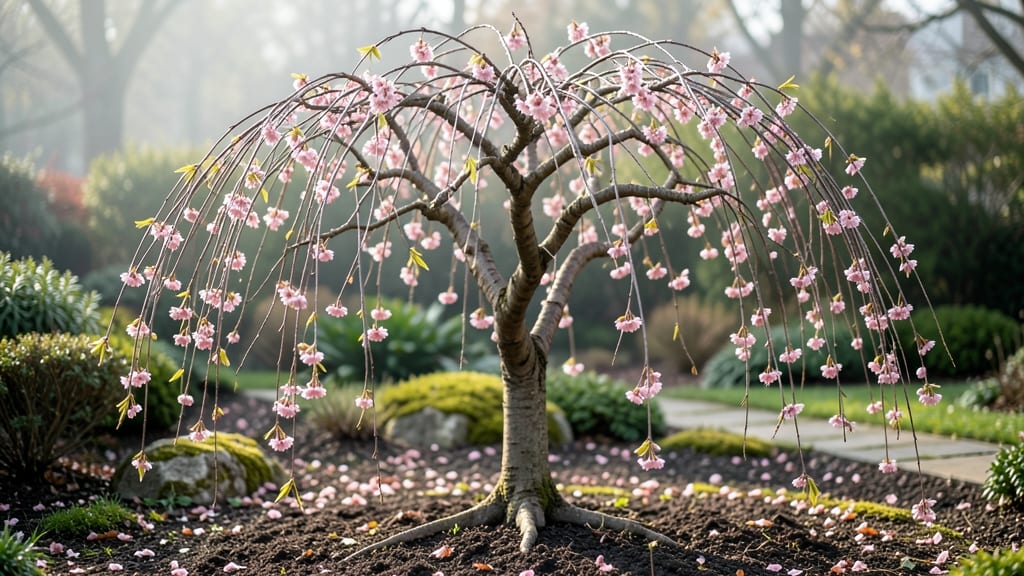
A weeping cherry tree with pink flowers turns spring into a dreamy watercolor scene. 🌸 Its cascading branches create a natural focal point that feels like a secret garden waiting to unfold. The delicate blossoms transform any landscape into a serene retreat, perfect for Japanese-inspired designs or romantic cottage gardens.
Pair it with hostas and ferns for contrast, or let it shine solo against a dark evergreen backdrop. The tree’s graceful form works beautifully in both formal and informal settings—imagine it framing a patio or anchoring a woodland garden.
Its seasonal interest keeps the magic going long after the flowers fade.
You’ll love how it softens harsh lines and adds movement to your space. The pink blooms attract pollinators while creating a peaceful atmosphere that feels like a hug from nature.
For maximum impact, plant it where its branches can spill over a deck or path, inviting visitors to step into a living painting.
Works equally well in urban courtyards or sprawling estates. The key is giving it room to grow—its mature width can reach 15-20 feet, so plan ahead for its elegant spread. This isn’t just a tree; it’s a living work of art that keeps giving year after year.
📚 In This Guide
- What you need
- Instructions
- Tips and common mistakes
- Wrapping up and next steps
What you need
- ● Weeping cherry tree (Prunus serrulata ‘Kanzan’ or similar) – Choose a pink-flowering cultivar (e.g., ‘Pink Perfection’ or ‘Shirofugen’). Opt for a 1- to 3-gallon container-grown tree for best establishment.
- ● High-quality planting soil – A mix of 60% native soil, 30% compost, and 10% perlite or sand for drainage.
- ● Organic mulch (3–4 inches) – Pine bark fines or wood chips to retain moisture and suppress weeds.
- ● Slow-release fertilizer (10-10-10 or 12-12-12) – 1–2 pounds per tree, applied at planting.
- ○ Tree stake (optional but recommended) – A 1.5-inch diameter wooden or metal stake, 6–8 feet tall for support.
- ● Garden hose or watering can – For thorough watering post-planting.
- ● Shovel or spade – For digging a hole 2–3 times wider than the root ball.
- ● Pruning shears – To trim dead or crossing branches (sterilize with rubbing alcohol first!).
- ● Gloves – Heavy-duty gardening gloves to protect hands.
- ○ Wheelbarrow – For mixing soil amendments (optional but helpful!).
- ○ pH testing kit (optional) – Ensures soil pH is 5.5–6.5 (ideal for cherries).
- ● Epsom salt (1 tbsp per gallon of water) – Boosts magnesium for vibrant blooms.
- ● Tree collar guard – Protects the trunk from lawnmower damage.
- ● Drip irrigation system – Automates watering for young trees.
- ● Seasonal pruning saw – For larger branches (if needed).
How to create a stunning weeping cherry tree display with pink flowers
Here's how to cultivate your own graceful weeping cherry tree with vibrant pink blooms—step by step.
🌱 Step 1: Select the Right Variety and Planting Site
Choose a weeping cherry cultivar like 'Kwanzan' or 'Okame' for their stunning pink flowers and elegant branching. These trees thrive in full sun with at least 6 hours of direct light daily. I always pick a site with well-draining soil—they hate soggy roots.
Test your soil's drainage by digging a 12-inch deep hole. If water pools after 30 minutes, amend with 2-3 inches of compost mixed into the top 12 inches of soil. Weeping cherries grow best in slightly acidic soil (pH 5.5-6.5), so test your soil and adjust with sulfur if needed.
🪴 Step 2: Plant at the Correct Depth and Spacing
Dig a hole twice as wide as the root ball but only as deep as the container. Loosen the roots gently if they're circling the pot—this prevents girdling later. Place the tree so the top of the root ball sits 1-2 inches above ground level (this ensures proper settling).
Spread the roots evenly and backfill with native soil mixed with 1 part compost. Water deeply to settle the soil, then add a 3-inch layer of mulch around the base, keeping it 6 inches away from the trunk. Mulch retains moisture and regulates soil temperature—critical for young trees.
☀️ Step 3: Provide Support and Prune for Shape
Weeping cherries need staking for the first 2 years to prevent wind damage. Use 3-4 stakes placed 12 inches from the trunk at 45-degree angles. Secure the tree with soft ties (never wire) to avoid trunk injury. Prune only to remove dead branches or those crossing the main trunk—never cut more than 25% of the canopy in one season.
Watch for new growth in spring. If branches grow too upright, gently bend them downward to encourage the weeping habit. Avoid heavy pruning during flowering season—you'll sacrifice next year's blooms. Instead, prune just after flowers fade in late spring.
💧 Step 4: Water and Fertilize for Optimal Growth
Water deeply 2-3 times per week for the first year, providing 1-2 gallons per watering to ensure roots establish. You'll know it's enough when the top 6 inches of soil feel moist but not soggy. After the first year, water only when the top 2-3 inches of soil feel dry—overwatering suffocates roots.
Fertilize in early spring with a 10-10-10 balanced fertilizer spread around the drip line (the edge of the tree's canopy). Apply ½ pound per inch of trunk diameter. Avoid high-nitrogen fertilizers—they promote leafy growth at the expense of flowers. Repeat in mid-summer for continued bloom production.
✂️ Step 5: Maintain for Long-Term Beauty and Health
Inspect your tree annually for signs of pests like aphids or borers. Treat with horticultural oil if needed, but avoid chemical sprays during bloom time. Remove spent flowers by cutting the stem just above a leaf bud to encourage more blooms next year.
In late winter, prune again to remove any dead, diseased, or crossing branches. Thin out crowded branches to improve airflow—this prevents fungal diseases. Weeping cherries reward patience: with proper care, they'll burst into pink clouds of flowers for decades.
Tips & tricks for perfect weeping cherry tree blooms
Here's what nobody tells you about creating that dreamy pink canopy—these are the secrets that'll make your weeping cherry thrive.
Sunlight Strategy: Those 6 hours of sun are non-negotiable, but here's the thing: morning sun is more important than afternoon. East-facing locations get the gentle morning light that encourages blooming while protecting delicate petals from harsh afternoon rays. If your site only gets afternoon sun, consider a semi-sheltered spot to prevent heat stress during peak bloom.
Root Ball Rescue: When you're loosening those circling roots in Step 2, don't just pull at them—score the root ball with a knife every 2 inches to encourage outward growth. This prevents girdling and helps roots establish faster. I've seen trees with root balls that looked like pretzels struggle for years—this simple step makes all the difference.
Pruning Precision: The 25% canopy rule in Step 3 is your safety net, but here's the real trick: always cut just above a leaf bud. You'll know you're doing it right when you see those tiny leaf packages waiting to grow. This ensures new growth continues where you want it, and you won't accidentally remove next year's flower buds hidden in those leaf axils.
Watering Wisdom: That 6-inch soil check in Step 4 is your golden rule, but don't just poke the surface. Use a screwdriver to check deeper—you want moisture at 4-6 inches down, not just the top layer. Weeping cherries have deep roots that need consistent moisture at depth, not just surface watering that evaporates quickly.
Pro Tips for Weeping Cherry Tree Pink Flowers
- Here's what nobody tells you about creating that dreamy pink canopy—these are the secrets that'll make your weeping cherry thrive.
- Sunlight Strategy: Those 6 hours of sun are non-negotiable, but here's the thing: morning sun is more important than afternoon.
- Root Ball Rescue: When you're loosening those circling roots in Step 2, don't just pull at them—score the root ball with a knife every 2 inches to encourage outward growth.
Frequently asked questions
Got questions about nurturing your weeping cherry tree with stunning pink flowers? Here are some answers to help you grow with confidence!
How do I encourage more pink flowers on my weeping cherry tree?
To boost those dramatic pink blooms, ensure your tree gets full sun (6+ hours daily) and well-draining soil. Prune lightly in late winter to remove dead branches and improve airflow—this encourages healthier growth and more flowers. Avoid heavy fertilizing during bloom season, as it can shift energy away from flowering.
When is the best time to plant a weeping cherry tree for optimal pink flower growth?
Plant your tree in early spring or fall when temperatures are mild. This gives roots time to establish before summer heat or winter cold stress. If planting in spring, do it before buds swell (early March–April in most climates) to avoid shocking the tree. Fall planting works best in zones 5–7 by late September–October.
Why aren’t my weeping cherry tree’s pink flowers lasting as long as they should?
Short-lived blooms could signal stress from overwatering, poor drainage, or pests. Check soil moisture—weeping cherries hate soggy roots. Look for aphids or spider mites on new growth (use neem oil if needed). Also, ensure your tree gets adequate winter chill hours (300–900, depending on variety)—without it, buds may fail to open fully.
Are there low-maintenance alternatives to weeping cherry trees with pink flowers?
Yes! Try these easy-care pink-blooming trees:
- Japanese Snowbell (Styrax japonica): Fragrant white-pink flowers, shade-tolerant.
- Amelanchier (Serviceberry): Pink spring blooms + edible berries, drought-resistant.
- Crabapple (Malus spp.): Compact varieties like ‘Pink Pearl’ need minimal pruning.
How do I prevent my weeping cherry tree from developing fungal diseases?
Fungal issues (like powdery mildew) often strike due to poor airflow or wet foliage. Space trees 15–20 feet apart for circulation, and water at the base (not overhead). Prune to remove crowded branches, and apply copper fungicide preventatively in spring. Always clean pruners with rubbing alcohol to avoid spreading spores!
Wrapping up and next steps
The weeping cherry tree with its stunning pink flowers isn’t just a sight to behold—it’s a symbol of elegance and renewal. Whether you’re drawn to its graceful branches or dreaming of planting one in your garden, this tree offers beauty, tranquility, and a touch of spring magic. 🌸
Ready to bring this enchanting tree into your life? Start by researching the best variety for your climate, then reach out to local nurseries or trusted online sellers. With a little planning, you’ll be well on your way to cultivating your own dramatic, floral masterpiece!