
Pruning
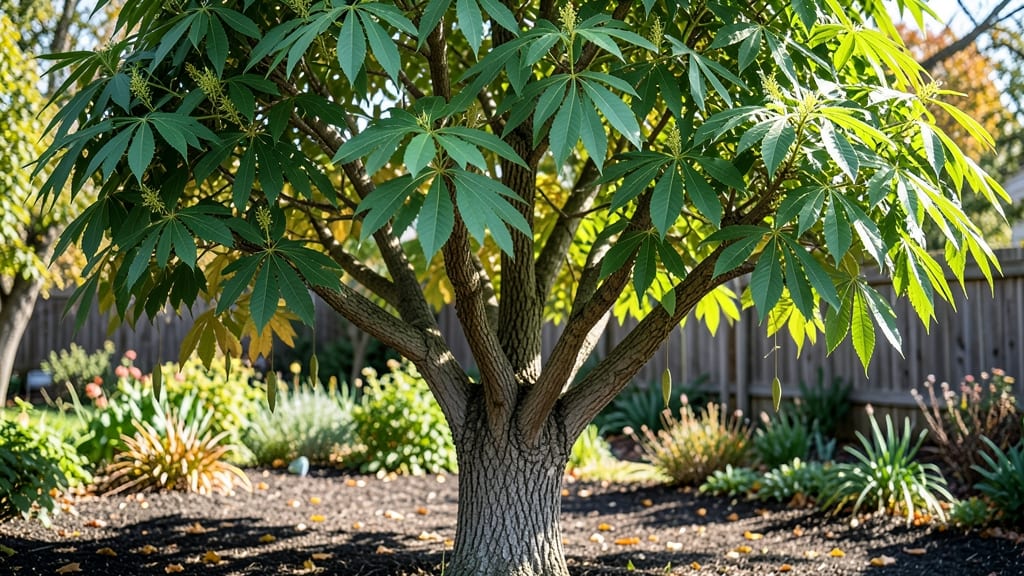
The Tree of Heaven's fiery fall foliage is the kind of spectacle that makes neighbors stop and stare—bright yellows and oranges that outshine most maples. 🌿 I’ve watched mine transform from green to gold each autumn, but the real magic happens when you prune before the leaves fall.
That’s when you control its aggressive growth while preserving its stunning seasonal show.
Fall pruning isn’t just about aesthetics—it’s about health. The Tree of Heaven (Ailanthus altissima) sends out aggressive suckers and can become a garden bully if left unchecked.
A sharp trim in late autumn removes up to one-third of its canopy without stressing the tree, and it sets you up for stronger spring growth. Plus, you avoid the messy leaf cleanup that comes when it holds onto foliage well past winter.
You’ll end up with a tree that’s both controlled and showy—less of a space invader, more of a standout feature. The pruned branches reveal its striking bark texture, and the reduced canopy means fewer leaves to rake next spring.
It’s the perfect balance: letting nature’s autumn drama shine while keeping your garden’s layout in check.
Works for urban lots, large backyards, or even as a striking street tree. The key is timing—prune after the first hard frost but before December 1, when the tree enters dormancy. Here’s how to do it right without overcomplicating things.
📚 In This Guide
- What you need
- Instructions
- Tips and common mistakes
- Wrapping up and next steps
What you need
- ● Pruning shears: Bypass pruners (for small branches, 6–8" blades) – 1 pair
- ● Loppers: Bypass or anvil type (for branches ½"–2" thick) – 1 pair
- ● Pruning saw: Curved-tooth or folding saw (for thick branches 2"+) – 1
- ● Gloves: Heavy-duty, cut-resistant (to protect from thorns) – 1 pair
- ● Disinfectant: 70% isopropyl alcohol or bleach solution (1 part bleach : 9 parts water) – small bottle
- ● Heavy-duty trash bags: For debris disposal – 2–3 bags
- ○ Ladder (optional but helpful): Sturdy, extendable (if tree exceeds 10 ft) – 1
- ● Pruning sealant: For large cuts (1" or wider) – small tube
- ● Safety glasses: To shield from debris – 1 pair
- ● Work boots: Steel-toe for stability – 1 pair
- ● Tree bag: For collecting leaves/seeds – 1
Step-by-Step guide to pruning tree of Heaven in fall
Fall is the perfect time to shape your Tree of Heaven while preparing it for winter dormancy.
✂️ Step 1: Assess the Tree’s Structure and Identify Problem Areas
Start by examining the tree from all sides, looking for branches that cross or rub against each other. These are the first to go—they create wounds that invite disease. I always scan for dead, diseased, or weak branches first; they’re easy to spot because they’re brown, brittle, or lack leaves. Mark these with a piece of twine or a flagging tape so you don’t miss them later.
Next, check for branches growing at sharp angles (less than 45 degrees) or those that are too close to the trunk. These are prone to breaking in storms or winter winds. If you’re unsure, run your hand along the branch—rough bark or cracks signal trouble. The goal here is to create a balanced, open canopy that lets light and air circulate freely.
✂️ Step 2: Gather Tools and Prepare for Pruning
You’ll need a sharp pair of pruning shears for branches up to ½ inch thick, and a pruning saw for thicker branches. I always sterilize my tools with rubbing alcohol before and after pruning to prevent spreading disease. Wear gloves—Tree of Heaven sap can irritate skin, and the thorns aren’t kidding around.
Check the weather for a dry day with temperatures above 50°F. Pruning in wet conditions stresses the tree, and cold temps can shock it. Lay down a tarp or drop cloth beneath the tree to catch falling branches and debris. This makes cleanup easier and keeps your workspace tidy.
✂️ Step 3: Remove Dead, Diseased, or Damaged Branches First
Cut out any dead, diseased, or broken branches back to the trunk or a healthy lateral branch. Make your cuts just outside the branch collar—the swollen area where the branch meets the trunk. This ensures the tree seals the wound properly. If you’re removing a large branch, use the "three-cut method" to avoid tearing the bark: start with an undercut, then a top cut, and finally remove the branch.
Don’t worry about leaving small stubs—Tree of Heaven handles this better than many trees. Just avoid cutting flush with the trunk, as this creates a larger wound that takes longer to heal. You’ll know you’re doing it right when the cuts are clean and the tree’s structure starts to look more open and airy.
✂️ Step 4: Thin Out the Canopy for Better Airflow
Now focus on thinning the canopy by removing about 20-30% of the branches. Start at the outer edges and work your way inward, prioritizing branches that are growing inward or downward. These are the ones that block sunlight and trap moisture, creating a perfect environment for fungal diseases. Aim to create a dome-like shape that allows light to reach the lower branches.
Watch for "water sprouts"—those fast-growing, vertical shoots that pop up everywhere. These are energy vampires, sucking resources from the rest of the tree. Snip them off at the base. You’ll see a noticeable difference in the tree’s overall health after this step—fewer crowded branches mean less competition for nutrients.
✂️ Step 5: Shape the Tree and Clean Up
Give the tree its final shape by trimming any branches that are growing in directions you don’t want. For example, if you’re trying to keep it from encroaching on a sidewalk or driveway, cut back branches that angle toward those areas. Use your hands to guide the saw or shears—you’re sculpting, not hacking.
After pruning, rake up and dispose of all debris, especially diseased branches. Don’t compost them—Tree of Heaven’s invasive nature means you don’t want to spread seeds or pathogens. Finish by giving the tree a deep watering to help it recover. You’ll notice new growth in spring, but the real reward is a healthier, more manageable tree for years to come.
Tips & tricks for pruning tree of Heaven in fall
Fall pruning transforms your Tree of Heaven into a healthier, more manageable tree—here's how to avoid common pitfalls and get it right the first time.
Tool Prep is Non-Negotiable: I can't stress this enough—sterilizing your tools with rubbing alcohol before and after pruning prevents spreading diseases like anthracnose, which Tree of Heaven is particularly susceptible to. I keep a small spray bottle of 70% isopropyl alcohol in my tool bag. Also, make sure your pruning shears are sharp enough to cut cleanly through branches up to ½ inch thick without crushing them. Dull blades cause more damage than the cut itself.
Branch Angle Matters More Than You Think: When assessing branches in Step 1, pay special attention to those growing at angles less than 45 degrees—they're the weak points that break during winter storms. I use a small protractor tool to check angles when I'm unsure. These branches also heal more slowly because they have less natural support from the trunk's structure. Think of it like building a house—you wouldn't put a roof beam at a 30-degree angle, would you?
The Three-Cut Method Saves Trees: For larger branches in Step 3, the three-cut method isn't just recommended—it's essential. Start with your undercut about 6-12 inches out from the trunk, then make your top cut just outside the branch collar. The final cut removes the branch cleanly. I've seen too many trees damaged when people make one big cut that tears the bark. This method gives the tree the best chance to seal the wound properly and prevents bark tearing that invites pests.
Watering After Pruning is Critical: That final deep watering in Step 5 isn't optional—it's how you help your tree recover from the stress of pruning. I water immediately after cleanup, giving about 10 gallons for every inch of trunk diameter. This helps the tree replace lost fluids and kickstarts the healing process. Think of it like giving your tree a post-surgery IV drip. The roots will thank you come spring with stronger growth.
Pro Tips for Tree Of Heaven In Fall
- Fall pruning transforms your Tree of Heaven into a healthier, more manageable tree—here's how to avoid common pitfalls and get it right the first time.
- I keep a small spray bottle of 70% isopropyl alcohol in my tool bag.
- Branch Angle Matters More Than You Think: When assessing branches in Step 1, pay special attention to those growing at angles less than 45 degrees—they're the weak points that break during winter storms.
Frequently asked questions
Got questions about managing your Tree of Heaven (Ailanthus altissima) during fall? You're not alone! Here are some common concerns—and straightforward answers—to help you keep this fast-growing tree in check while enjoying its stunning autumn hues.
When is the best time to prune a Tree of Heaven in fall?
Prune your Tree of Heaven in early to mid-fall (September–October), before the first hard frost. This timing encourages new growth for spring while avoiding late-season sap flow that can attract pests. Avoid heavy pruning too close to winter, as fresh cuts may not heal properly in cold weather.
Will pruning in fall harm my Tree of Heaven?
Not if done correctly! Fall pruning is safe and beneficial when you remove no more than 25–30% of the canopy at once. Focus on shaping, removing dead/diseased branches, and thinning to improve airflow. Over-pruning can stress the tree, but Tree of Heaven is resilient—just avoid drastic cuts in late fall.
Can I prune a Tree of Heaven to control its invasive spread?
Regular pruning slows its aggressive growth. Target the lower branches to open up the base and reduce sucker growth. For established trees, crown thinning (removing inward-growing branches) helps control its sprawling habit. Combine pruning with root barrier installation for long-term management.
Why does my Tree of Heaven drop so many leaves in fall?
Tree of Heaven is a deciduous tree, so heavy leaf drop in fall is normal! Its compound leaves turn golden-yellow before falling, creating a stunning display. If you notice premature leaf drop (before color change), check for pests (like spider mites) or fungal issues. Prune out affected branches and monitor for improvement.
What’s a good alternative if I want to remove the Tree of Heaven entirely?
If you’re dealing with invasive spread or allergies, consider replacing it with native alternatives like:
Always check local regulations before removal, as some areas restrict invasive species disposal. For stump removal, hire a professional to ensure roots don’t regrow.
Wrapping up and next steps
The Tree of Heaven in fall transforms into a stunning spectacle, but its vibrant beauty comes with the responsibility of proper care—especially pruning. By following the right techniques, you’ll keep its growth in check, enhance its seasonal charm, and ensure year-round health. 🌿✨
Ready to take action? Grab your tools, mark your calendar for late fall or early winter, and start shaping your Tree of Heaven with confidence! Your future garden will thank you.