
Trees
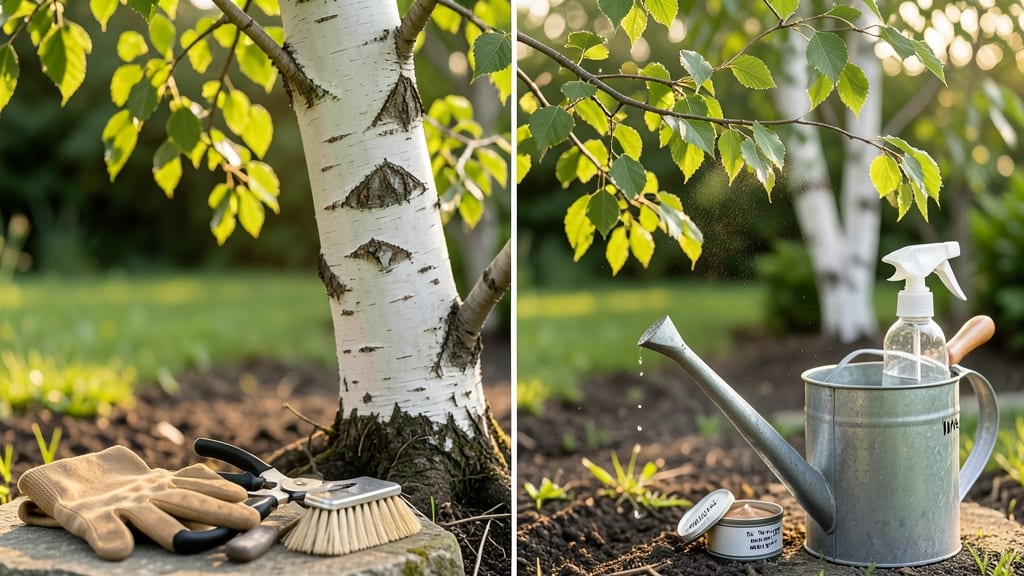
When your tree bark peeling treatment starts peeling like sunburned skin, it's not just cosmetic—it's a cry for help. ✨ I've seen this happen after harsh winters, scorching summers, and even pest attacks, and the good news is most cases have simple, non-toxic fixes that save your tree without chemicals.
The key is understanding what's causing the damage in the first place, because different problems need different solutions. Most peeling bark comes from environmental stress—think sunscald on south-facing trunks or winter freeze-thaw cycles—but pests like bark beetles and fungal infections can also be culprits.
The trick is examining the damage: is it flaking in patches or peeling in large sheets? Is there sawdust-like frass at the base or strange discoloration beneath the bark? These clues tell you whether you're dealing with a weather issue or something more serious that needs immediate attention.
Once you identify the problem, the fixes are surprisingly straightforward: protective coatings for sunburn, proper watering for drought stress, and organic pest controls for beetles. I've saved trees with nothing more than a thick layer of tree wrap, a good pruning session, and some patience—no toxic sprays required.
The results speak for themselves: bark that stops peeling and starts healing, with new growth appearing within just a few seasons. This works for backyard trees, urban landscapes, and even container-grown specimens.
The only time you should call in a pro is when you see large sections of dead tissue or oozing sap—those are signs the tree's health is already compromised. Let's get your tree back to looking strong and healthy!
Root Causes Of Bark Peeling
When your tree’s bark starts peeling like a sunburned arm, it’s usually a cry for help—whether from environmental stress, biological invaders, or physical trauma. Understanding the why behind the peeling is the first step to restoring your tree’s health.
Below, we break down the most common culprits, backed by science and actionable insights to help you diagnose the issue.
Trees are resilient, but sudden shifts in temperature—especially between scorching heat and freezing cold—can cause bark to crack and peel. This is most common in:
- Sun Scald: In winter, the sun heats the south or west side of the trunk while temperatures drop at night. The bark expands in warmth but contracts when cold, leading to cracking and peeling (often seen in maples, elms, and fruit trees).
- Heat Stress: Prolonged summer drought or urban heat islands can dry out the outer bark layers, causing them to split and flake off, exposing the vulnerable inner layers.
🔍 How to spot it: Look for peeling on one side of the trunk (sun-exposed areas) or thin, papery layers that lift easily. Trees in urban areas or dry climates are most at risk.
Bark peeling isn’t always about weather—sometimes, it’s a silent battle between your tree and unseen invaders. Here’s how pests and pathogens trigger peeling:
| Cause | How It Happens | Visual Clues |
|---|---|---|
| Bark Beetles (e.g., Scolytus spp.) | Adult beetles bore into the bark, laying eggs under the surface. Larvae tunnel through the phloem (the tree’s food-transport layer), disrupting nutrient flow. The tree’s defense response causes the bark to pucker and peel as it tries to seal off the damage. | Small exit holes (1–2mm), sawdust-like frass at the base, and yellowing or wilting leaves. |
| Scale Insects (e.g., Armored scale) | These sap-sucking insects attach to the bark and secrete a sticky honeydew. Fungal growth from the honeydew weakens the bark’s adhesion, causing it to peel in sheets. The tree may also show stunted growth due to nutrient loss. | White, brown, or black crusty bumps on bark, sooty mold (black fungus), and sticky residue on leaves. |
| Fungal Infections (e.g., Cytospora canker) | Fungi like Cytospora enter through wounds or weak bark, creating cankers (sunken, dead patches). As the infection spreads, the bark dies and peels away, exposing oozing resin or gum. | Sunken, discolored patches with peeling edges, often weeping sap. |
💡 Pro Tip: If you see holes, bumps, or oozing sap, inspect the bark closely—pests and diseases often leave tell-tale signs before the peeling becomes severe.
Trees don’t have skin—they have a protective bark system. When you injure it, whether through careless pruning, lawn equipment, or even string trimmer wounds, the bark’s ability to regenerate is compromised. Here’s how:
- Girdling: When pruning cuts are too deep or remove a ring of bark (even unintentionally), the tree’s phloem is severed, cutting off nutrient transport. The bark above and below the wound dies and peels as the tree tries (and fails) to heal.
- Scrapes and Cuts: Lawnmowers, weed whackers, or even animal rubs can strip bark layers. Without the protective outer layer, the tree is exposed to sun, wind, and pathogens, accelerating peeling.
- Improper Wrapping: Using plastic or non-breathable materials to “protect” a wound can suffocate the tree, trapping moisture and promoting rot. The bark peels as the trapped area decays.
🔨 How to prevent it:
- Always prune 1/4-inch above a branch collar (never flush with the trunk).
- Use sharp, sterilized tools to make clean cuts and avoid tearing bark.
- If bark is damaged, apply a tree wound dressing (like Tanglefoot Tree Wound Pruning Sealer) to protect the wound.
Too much or too little water can turn your tree’s bark into a flaky mess. Here’s how hydration extremes play a role:
- Drought Stress: When roots can’t supply enough water, the tree’s cambium layer (the growth layer under the bark) shrinks. This causes the outer bark to split and peel as it loses moisture and elasticity.
- Overwatering: Excess moisture softens the bark, making it vulnerable to cracking when it dries out. It also promotes fungal growth, which weakens bark adhesion.
- Compacted or Poor Soil: Roots struggling in clay, rocky, or nutrient-poor soil can’t absorb water efficiently, leading to bark drying and peeling.
🌱 Actionable Fixes:
- Water deeply 1–2 times per week (depending on climate) during dry spells.
- Test soil pH and drainage—ideal soil should be slightly acidic (6.0–7.0) and well-draining.
- Apply mulch (2–4 inches) around the base (but not touching the trunk) to retain moisture.
Now that you know the why behind the peeling, the next step is how to treat it. Stay tuned for our non-toxic rescue guide to bring your tree’s bark back to health!
Fixing Peeling Bark Naturally
Peeling tree bark can be a distressing sight, but the good news is that many causes have simple, non-toxic solutions. Whether your tree is struggling with environmental stress, pests, or disease, these practical fixes will help restore its health—and prevent future damage.
Below, we’ll map common causes to their best remedies, along with prevention tips to keep your tree thriving.
Fix: Shield your tree from harsh afternoon sun and improve moisture retention.
- 💦 Water Deeply (But Less Often)
- Water trees slowly and deeply (1–2 inches per week) to encourage deep root growth. Shallow watering stresses bark.
- Morning watering is best—it reduces evaporation and gives roots time to absorb moisture before the heat peaks.
- 🌳 Provide Temporary Shade
- Use shade cloth (30–50% coverage) or a lightweight tarp on the sun-exposed side of the tree for a few weeks.
- Avoid plastic—it traps heat and can worsen damage.
- 🎯 Mulch Like a Pro
- Apply 3–4 inches of organic mulch (wood chips, straw) around the base (but not touching the trunk).
- Mulch keeps soil cool and retains moisture—just refresh it annually.
💡 Prevention Tip: Train young trees to handle sun gradually by acclimating them over weeks, moving them to sunnier spots slowly.
Fix: Remove pests naturally and restore bark health.
- 🔥 Manual Removal for Soft-Bodied Pests (Scale, Mealybugs)
- Use a stiff brush or hose to dislodge pests from cracks and peeling areas.
- Neem oil spray (1 tsp per quart of water) smothers pests without harming the tree. Reapply every 7–10 days.
- 🪓 Prune Infested Branches
- Cut off heavily damaged branches (at least 6 inches below the infestation) and dispose of them in sealed bags (not compost).
- Sterilize pruners with rubbing alcohol between cuts.
- 🐝 Encourage Natural Predators
- Attract ladybugs, birds, and parasitic wasps by planting native flowers (like dill, fennel, or milkweed) nearby.
💡 Prevention Tip: Inspect trees weekly in spring/summer for early signs of pests (sawdust-like frass, tiny holes, or sticky sap).
Fix: Improve airflow and apply fungicides only when necessary.
- ✂️ Prune for Better Airflow
- Thin out dense foliage to reduce humidity near the bark.
- Remove dead or crossing branches (they trap moisture).
- 🧴 Copper-Based Fungicide (Last Resort)
- If fungus is severe, use copper fungicide (follow label rates) only after rain to avoid burning foliage.
- Avoid chemical sprays unless absolutely necessary—many fungi respond to environmental fixes first.
- 🌧️ Reduce Overhead Watering
- Water at the base (not leaves) to prevent fungal spores from splashing onto bark.
💡 Prevention Tip: Space trees properly (follow species guidelines) to prevent overcrowding, which fuels fungal growth.
Fix: Protect the bark and promote healing.
- 🛡️ Guard Against Future Damage
- Install tree wraps (burlap or commercial wraps) on young trees in windy areas.
- Mark tree locations with stakes or flags to warn gardeners/lawn crews.
- 🧴 Seal Minor Scrapes (For Young Trees)
- For small wounds, apply tree wound sealant (like Tanglefoot Tree Wound Pruning Seal) to prevent infection.
- Let larger wounds heal naturally—sealing them can trap moisture and cause rot.
- 🐿️ Deter Animals
- Use chicken wire or tree guards to protect bark from rabbits, deer, or rodents.
- Prune low branches to reduce access for chewing animals.
💡 Prevention Tip: Train pets to avoid scratching trees—use bitter apple spray on trunks as a deterrent.
Fix: Amend soil and feed trees the right way.
- 🌿 Test Your Soil
- Use a DIY soil test kit (available at garden centers) to check pH and nutrient levels.
- Most trees prefer slightly acidic soil (pH 6.0–7.0).
- 🍄 Add Organic Matter
- Mix compost or well-rotted manure into the top 6 inches of soil around the tree’s drip line.
- Avoid fresh manure—it can burn roots.
- 💊 Use Slow-Release Fertilizer
- Apply a balanced, organic fertilizer (like 10-10-10 or fish emulsion) in early spring.
- Skip fall fertilization—it encourages late growth that won’t harden off before winter.
💡 Prevention Tip: Mulch annually to replenish nutrients—mulch breaks down and feeds the soil over time.
Some issues (like advanced bark rot, large infestations, or structural damage) require an arborist. If you see:
- Large sections of bark sloughing off
- Oozing sap or mushroom growth at the base
- Wilting leaves despite care
…it’s time to consult a certified arborist for a diagnosis.
Final Thought: Most peeling bark issues are reversible with patience and preventative care. Start with the fixes above, and your tree will thank you with healthier bark—and fewer surprises next season! 🌳✨
Frequently asked questions about tree bark peeling
Why does my tree's bark peel in patches but not all over?
Patchy peeling usually means environmental stress like sun scald (common on south-facing trunks) or localized pest activity. Check for one-sided damage—if it's only on sun-exposed areas, it's likely heat stress. If you see tiny holes or sawdust-like frass, bark beetles may be tunneling under specific sections.
Is it safe to remove peeling bark myself?
Only remove loose, dead bark that lifts easily with your fingers. Never scrape or force healthy bark—this exposes the tree to infections. For stubborn patches, use a soft brush to gently dislodge them. If you see green tissue underneath, leave it alone as the tree is still alive.
How long does it take for treated bark to heal?
With proper care, you'll typically see new bark formation within 6-12 months. Young trees heal faster than mature ones. The key is consistency—keep applying protective measures (like mulch and proper watering) while avoiding further damage. Patience is crucial, as bark regeneration happens slowly under the surface.
Can I use household items like vinegar to treat peeling bark?
Never use vinegar or other acidic household solutions—they can burn the tree. For pest control, neem oil or soapy water sprays are safe alternatives. For fungal issues, a copper fungicide (diluted properly) is your best bet. Always test any solution on a small area first.
When should I call an arborist instead of DIY treatment?
Consult a professional if you notice large sections of dead bark, oozing sap, or mushroom growth at the base. These signs indicate advanced decay or structural damage that requires expert assessment. Also call if your tree is leaning dangerously or shows sudden leaf drop despite your care.