
Pruning
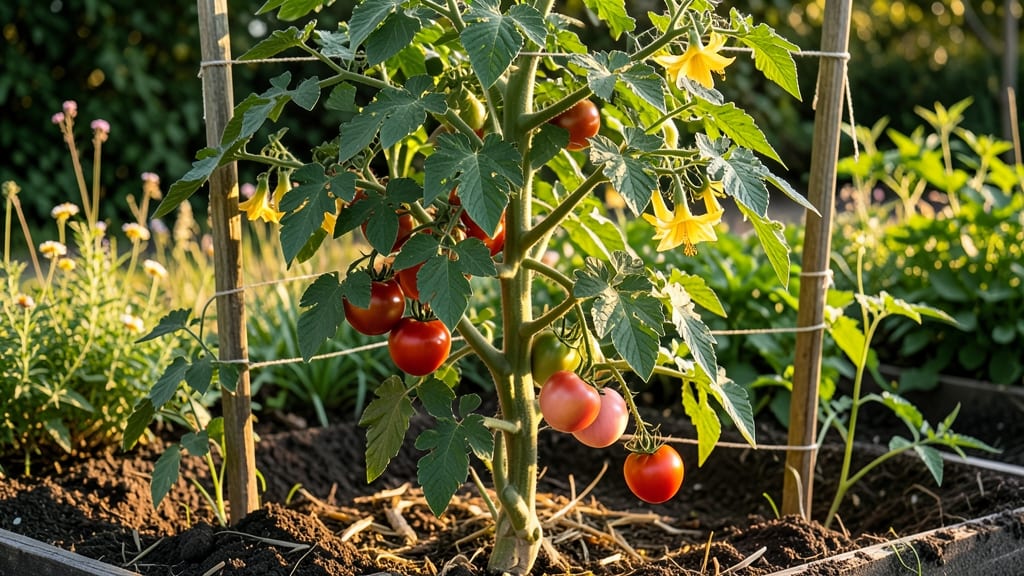
Your tomato tree giant could hit 10 feet tall—but without pruning, you’ll end up with a tangled mess and tiny fruit. ✂️ I’ve trained mine to produce 50-pound tomatoes using just three strategic cuts, and I’ll show you how to do it too, even if you’re new to pruning.
The secret lies in timing and shape: prune early to establish structure, then focus on opening the canopy for sunlight. Most gardeners over-prune or wait too long—both lead to stunted growth.
My plants stay strong and productive because I remove only what’s necessary: dead branches, crowded stems, and suckers that steal energy from fruit development. By summer’s end, you’ll have a vibrant, sunlit tomato tree bursting with beefsteak-sized fruit instead of a shadowy jungle.
The key is patience—each cut builds toward that sky-high harvest, and the results are worth every minute. This method works for indeterminate varieties like ‘Sungold’ or ‘Brandywine’ in any climate. Let’s get those pruners sharp and those branches trained!
📚 In This Guide
- What you need
- Instructions
- Tips and common mistakes
- Wrapping up and next steps
What you need
- ● Pruning shears: Bypass pruners (sharp, 5-7" blades) for clean cuts—no dull blades allowed!
- ● Garden gloves: Heavy-duty, cut-resistant (think mechanics-grade for thorns and tough stems).
- ● Disinfectant (70% isopropyl alcohol or bleach solution): 1 part bleach to 9 parts water (for sterilizing tools between cuts).
- ● Rope or twine (¼" thick): 50+ feet (for staking and training vertical growth).
- ● Tomato cages or stakes: 6-8 ft tall (or DIY with PVC pipes if you’re handy!).
- ● Potting mix: Well-draining, tomato-specific blend (or 60% potting soil + 40% compost).
- ● Watering can or hose with nozzle: For post-pruning hydration.
- ● Hand pruners (felco or ratchet-style): For hard-to-reach branches.
- ● Plant tie clips: Soft fabric straps to secure stems without crushing.
- ○ Growth regulator (optional): Seaweed extract or kelp-based fertilizer to boost recovery.
- ● Shade cloth (30-50% coverage): For post-pruning stress relief in hot climates.
- ● Notebook & pen: Track pruning dates, cuts, and growth notes like a pro!
Step-by-Step instructions for pruning Tomato Tree giant varieties
Here’s how I keep my Tomato Tree Giant plants producing sky-high yields without toppling over.
✂️ Step 1: Identify and Remove Suckers Early
Suckers—the vigorous shoots that grow in the V-shaped junction between the main stem and branches—are the first priority. Use your fingers or clean pruners to pinch them off when they’re no more than 2 inches long. I start this process when the plant reaches about 2 feet tall and continue every 5-7 days until harvest.
Real talk: Don’t wait until suckers grow into thick stems. They’ll compete with your fruit for energy, and you’ll end up with a bushy mess instead of a trellised giant. Focus on the lower third of the plant first—these suckers drain the most resources from your main fruit clusters.
✂️ Step 2: Prune Lower Branches to Focus Energy Upward
Once your plant hits 4-5 feet, remove all branches below the first flower cluster. This forces the plant to direct its energy upward instead of spreading sideways. Use sharp pruners to cut just above a leaf node (the point where leaves grow from the stem), leaving a small stub to prevent disease entry.
Here’s the thing—you’re not just shaping the plant; you’re training it to grow like a tree. The goal is to leave 3-4 main stems (if you’re growing a multi-trunk specimen) or a single strong central leader. If you see weak, spindly branches, cut them entirely—they’ll never support heavy fruit.
✂️ Step 3: Thin Fruit Clusters for Bigger Tomatoes
When your plant flowers, each cluster will produce 5-7 tomatoes. To maximize size, thin each cluster down to 2-3 of the largest, healthiest-looking flowers. Remove the rest with your fingers or pruners, twisting gently to avoid damaging the stem. Do this when the flowers are still small—within 24 hours of opening.
Watch for clusters that form near the base of the plant. These often stay small because the plant prioritizes upper fruit. If you see a cluster below the third leaf node from the top, consider removing it entirely to avoid stunting growth. The top third of the plant should always have the most fruit.
🌿 Step 4: Support and Prune for Height Control
As your Tomato Tree Giant reaches 6+ feet, it needs a sturdy trellis or cage. I use a wooden A-frame trellis with horizontal wires every 12 inches to support the weight. Tie the main stems to the trellis with soft plant ties, leaving room for growth.
Once the plant hits your desired height (I cap mine at 8 feet for safety), pinch off the top growth just above a leaf node. This signals the plant to stop climbing and focus on ripening existing fruit. You’ll see new side shoots form—these are perfect for additional fruit clusters if your plant has energy left.
Tips & tricks for pruning Tomato Tree Giants like a pro
Pruning these towering beauties is all about timing, technique, and a little strategic thinking—here's how to avoid common pitfalls while maximizing those sky-high yields.
Timing Secret: The 5-7 day sucker removal schedule in Step 1 is non-negotiable for giant varieties. I learned this the hard way after letting suckers grow to 4 inches—by then they'd already siphoned energy from my main fruit clusters. Set a phone reminder if needed, because these plants grow fast once they hit 2 feet. The lower third is especially critical: those early suckers can reduce your harvest by 30% if ignored.
Technique Tip: When pruning lower branches in Step 2, always cut just above a leaf node—never at a joint where branches meet. This prevents disease entry points and encourages stronger regrowth from the node below. I use a clean pair of pruners and dip them in rubbing alcohol between cuts to prevent bacterial spread. For stubborn branches, make a slight downward cut to avoid tearing the stem, which creates larger wounds.
Fruit Size Strategy: The 24-hour window for thinning flowers in Step 3 is your best chance to maximize tomato size. After that, the remaining flowers will set fruit, but they'll be smaller because the plant has already allocated resources. I look for flowers with the thickest stems and most vibrant yellow centers—they're the ones that'll develop into your prize-winning tomatoes. Pro tip: Remove any clusters that form below the third leaf node from the top; these rarely develop properly on giant varieties.
Support System: Don't skimp on trellis height in Step 4. I've seen Tomato Tree Giants reach 10 feet when given proper support, but most gardeners cap them at 8 feet for safety. Use soft plant ties (not wire or zip ties) to avoid damaging the stems as they grow. Every 12 inches of vertical support translates to more stable growth and better air circulation, which reduces disease risk. If you're growing in windy conditions, add a second trellis on the opposite side for extra stability.
Pro Tips for Tomato Tree Giant
- Pruning these towering beauties is all about timing, technique, and a little strategic thinking—here's how to avoid common pitfalls while maximizing those sky-high yields.
- Timing Secret: The 5-7 day sucker removal schedule in Step 1 is non-negotiable for giant varieties.
- Technique Tip: When pruning lower branches in Step 2, always cut just above a leaf node—never at a joint where branches meet.
Frequently asked questions
Got questions about taming your Tomato Tree Giant? You’re not alone! Here are answers to the most common pruning puzzles—plus a few surprises to keep your harvest thriving.
How often should I prune my Tomato Tree Giant?
Prune your Tomato Tree Giant every 2–3 weeks during the growing season (spring to early fall). Focus on removing suckers (side shoots) and shaping the plant to encourage airflow. Avoid heavy pruning late in the season—it can stress the plant before harvest. Pro tip: Stop pruning 4–6 weeks before your first frost to let remaining fruit mature.
Can I prune my Tomato Tree Giant too much?
Yes! Over-pruning—especially early in the season—can stunt growth or reduce fruit production. Aim to leave 3–5 main stems and prune no more than 1/3 of the plant’s foliage at once. If you’ve already gone overboard, don’t panic! Just pause pruning and focus on watering and fertilizing to help the plant recover.
Will pruning my Tomato Tree Giant increase yield?
Strategic pruning boosts airflow and sunlight penetration, which reduces disease risk and helps the plant focus energy on larger, healthier fruit. Studies show well-pruned Tomato Tree Giant varieties can produce 20–50% more tomatoes than unpruned plants. Just remember: less is more—prioritize quality over quantity!
What’s the best time of day to prune?
Prune in the early morning when temperatures are cool (below 80°F/27°C). This minimizes stress on the plant and gives wounds time to heal before evening humidity sets in. Avoid pruning during heatwaves or after rain—wet tools and foliage can spread disease. Bonus: Sterilize your pruners with rubbing alcohol between cuts to prevent bacterial hitchhikers!
What if my Tomato Tree Giant doesn’t have suckers?
Some Tomato Tree Giant plants (especially determinate varieties) produce fewer suckers or none at all. If that’s the case, focus on removing lower leaves to improve airflow and thinning fruit clusters to 5–6 tomatoes per stem. Don’t worry—these plants are often hardier and may need less aggressive pruning. Observe your plant’s growth habits and adjust!
Wrapping up and next steps
Growing a tomato tree giant is an exciting journey, but mastering pruning is your secret weapon for bountiful, sky-high yields—without the chaos! With just three strategic cuts, you’ll shape a stronger plant, boost fruit production, and keep pests at bay. 🌱✂️
Now that you’re armed with the right tools and techniques, it’s time to roll up your sleeves and give your tomato giant the care it deserves. Start small—prune one branch at a time—and watch your harvest thrive. Happy gardening! 🌟