
Pruning
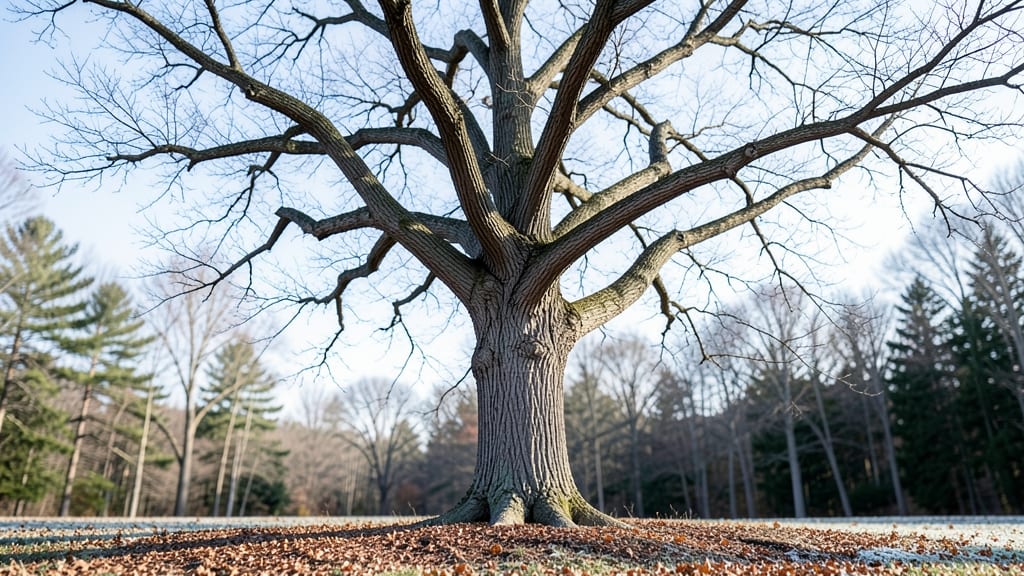
Winter pruning your sugar maple tree reveals the secret to spring explosions of new growth. 🌿 I’ve watched my own maples go from bare branches to lush canopies in just weeks after a careful winter trim—it’s all about timing and technique.
The key is working while the tree is dormant but before late winter’s harshest freeze, when wounds heal faster and energy isn’t wasted on new leaves.
You’ll need sharp pruning shears, a ladder (for higher branches), and a clear day when temps are above freezing but still chilly—think late January or early February. The goal is to remove dead, crossing, or weak branches while shaping the tree to let sunlight reach the center.
This isn’t about heavy pruning; think of it as giving your maple a fresh start before spring’s growth rush.
What you’ll end up with is a tree that bounces back stronger than ever, with fewer weak limbs and better air circulation. The new growth in spring will be thicker and healthier, and you’ll notice fewer broken branches in storms.
It’s the kind of care that pays off in years of sturdy, vibrant trees.
Works for both young saplings and mature maples—just adjust the scale. Here’s how to do it right without stressing the tree.
📚 In This Guide
- What you need
- Instructions
- Tips and common mistakes
- Wrapping up and next steps
What you need
- ● Pruning shears or loppers: Bypass pruners (for cuts up to ¾ inch) or loppers (for 1–2 inch cuts). Look for sharp, stainless-steel blades!
- ● Pruning saw: A curved-tooth saw for branches thicker than 2 inches. Lubricate the blade for smoother cuts.
- ● Gloves: Heavy-duty, cut-resistant gloves (e.g., Mechanix or leather work gloves) to protect your hands.
- ● Safety glasses: ANSI-rated goggles to shield eyes from debris.
- ● Ladder (if needed): A sturdy, extendable ladder (20–30 ft) with non-slip feet. Never stand on the top rung!
- ○ Disinfectant (optional but recommended): 70% isopropyl alcohol or a 10% bleach solution to sterilize tools between cuts.
- ● Heavy-duty trash bags: 30–50 gallon bags for collecting branches and debris.
- ● Rope or harness (for high branches): A climbing harness and rope system if pruning tall trees (safety first!).
- ● Timing: Prune during the dormant season (late winter, before buds swell). Ideal temps: 20–40°F.
- ● Weather: Choose a dry, calm day—no rain or high winds for 24 hours before/after.
- ● Tree health check: Inspect the tree for disease (e.g., tar spots), dead branches, or pest signs before cutting.
- ● Local regulations: Check if your area requires a permit for tree removal (even partial pruning).
- ● First aid kit: Bandages and antiseptic wipes for minor cuts or scrapes.
- ● 🔥 Sharpen your tools! Dull blades tear bark, inviting disease. Hone shears with a file or replace blades annually.
- ● 🎯 Mark your cuts: Use spray paint to outline branches to remove—helps visualize the final shape.
- ● 🌡️ Work with the grain: Cut branches just outside the branch collar (the swollen area where the branch meets the trunk).
- ● 💡 Take breaks: Pruning is physical! Hydrate and stretch every 30–45 minutes to avoid fatigue.
How to prune a sugar maple tree in winter for healthier spring growth
Winter's the perfect time to shape your sugar maple—when it's dormant and stress-free.
✂️ Step 1: Gather the Right Tools
Start with a sharp pruning saw for thick branches and bypass pruners for thinner ones. I always sterilize my tools with rubbing alcohol to prevent spreading disease between cuts. A ladder or pole saw helps reach higher branches safely—never stand on shaky limbs.
Wear gloves and sturdy shoes for protection. Sugar maples have sharp edges that can cut skin, and winter branches are brittle. Check the weather too—prune on a calm, dry day when temperatures stay above 20°F to avoid shock.
🌿 Step 2: Identify and Remove Dead or Damaged Branches
Scan the tree for branches that are brown, cracked, or hollow—these are easy targets. Dead branches snap when bent; healthy ones bend slightly. Cut these back to the nearest healthy collar (the swollen area where the branch meets the trunk) using clean cuts at a 45-degree angle.
Remove any branches rubbing against each other—they create wounds that invite disease. I mark these with a piece of tape first so I don’t miss them. If a branch is larger than 4 inches thick, make a second cut 6-12 inches out from the trunk before removing it completely to prevent tearing.
✂️ Step 3: Thin the Canopy for Better Airflow
Step back and look at the tree’s shape. Aim to remove no more than 25% of the canopy in one season—this keeps stress low. Focus on branches growing inward or crossing others. Cut these back to the nearest outward-facing bud or branch collar to encourage outward growth.
Use the "third cut" method for thick branches: First, make an undercut 1-2 inches out from the trunk, then a top cut just outside the branch collar, and finally remove the branch by twisting it gently. This prevents bark from tearing. I always step back after each cut to check the tree’s balance.
🌱 Step 4: Shape for Structure and Safety
Prune to open the center of the tree—this improves airflow and sunlight penetration. Remove branches growing straight upward ("water sprouts") and those growing at sharp angles (less than 45 degrees). These are weak points that can break in storms.
For a natural look, I prune to maintain the tree’s original form. Avoid over-pruning lower branches—this can stress the tree and make it more vulnerable to pests. Leave some smaller branches to create a layered effect, which adds character and supports wildlife.
⏰ Step 5: Clean Up and Monitor
Rake up and dispose of all cuttings—never leave them on the ground, as they can harbor pests. Sterilize your tools again with rubbing alcohol before storing them. Water the base of the tree lightly if the ground isn’t frozen, but avoid overwatering—sugar maples are drought-tolerant once established.
Mark the pruned areas with a small flag or note in your garden journal to track growth. In early spring, you’ll see new buds forming where you made cuts—that’s your reward for a job well done. Watch for signs of stress like yellowing leaves, but don’t worry—sugar maples bounce back quickly when pruned properly.
Tips & tricks for perfect sugar maple pruning
Winter pruning transforms your sugar maple into a stronger, healthier tree—here's how to avoid common pitfalls and get professional results.
Tool Prep is Non-Negotiable: Sterilizing your tools between cuts (as mentioned in Step 1) prevents disease spread, but don't forget to check your pruners' sharpness first. Dull blades crush branches instead of making clean cuts, which creates larger wounds that heal slowly. I test sharpness by cutting through a scrap piece of bark—if it tears, your tools need honing. Also, consider using a pruning sealant on larger cuts (over 1/4 inch) to help them heal faster.
Visual Cues for Healthy Branches: In Step 2, when identifying dead branches, look for these telltale signs beyond just color: healthy branches should have a slight green tint under the bark when scraped, while dead ones will be completely brown inside. Another trick is to gently scratch the bark—healthy bark is firm, while dead bark feels soft or crumbly. For branches larger than 4 inches, remember that the second cut should be made just outside the branch collar but not too far—aim for within 1/8 inch to prevent bark tearing.
Canopy Thinning Strategy: When working through Step 3's 25% canopy limit, think about the tree's growth pattern. Remove branches that grow inward first—they compete for sunlight and nutrients. For the "third cut" method, practice on a few smaller branches first to get comfortable with the technique. Pro tip: After removing a branch, look up at the tree's silhouette. If you notice a sudden gap or asymmetry, you've probably removed too much from one side—this helps maintain that natural balance.
Safety First for High Branches: If you're using a ladder for Step 1 or Step 4, place it on firm, level ground and position it so the base is at least 1 foot away from the trunk. For branches above 15 feet, consider hiring a professional arborist—your safety isn't worth the risk. And here's a trick I learned the hard way: always face the ladder when climbing, not the tree. This keeps your center of gravity over the ladder's base for better stability.
Pro Tips for Sugar Maple Tree In Winter
- Winter pruning transforms your sugar maple into a stronger, healthier tree—here's how to avoid common pitfalls and get professional results.
- Tool Prep is Non-Negotiable: Sterilizing your tools between cuts (as mentioned in Step 1) prevents disease spread, but don't forget to check your pruners' sharpness first.
- Another trick is to gently scratch the bark—healthy bark is firm, while dead bark feels soft or crumbly.
Frequently asked questions
Got questions about keeping your sugar maple thriving through winter? You’re not alone! Here are answers to the most common concerns—so you can prune with confidence and set your tree up for a bountiful spring.
When is the best time to prune a sugar maple in winter?
The ideal window is late winter—after the coldest stretch but before buds swell (typically February to early March). This timing minimizes stress, reduces disease risk, and lets the tree heal before spring growth. Avoid pruning during extreme cold or thaw cycles, which can weaken the tree.
Will pruning in winter harm my sugar maple?
Not if done correctly! Sugar maples are dormant in winter, so they won’t bleed sap excessively like in spring. However, avoid heavy pruning—stick to removing dead, diseased, or crossing branches (no more than 10–15% of the canopy). Over-pruning can stress the tree and invite pests.
Can I prune a sugar maple in deep freeze or snow?
Prune when temperatures are above freezing (32°F/0°C) but below 45°F (7°C) for best results. Snow or ice can hide hazards (like weak branches) and make cuts messy. If you must prune in cold, wait for a dry day and use a sharp saw to avoid tearing bark.
What if my sugar maple doesn’t have leaves—how do I identify dead branches?
Look for these red flags:
- Color: Dead branches are gray/brown (vs. healthy brown bark).
- Texture: Dry, brittle, or peeling bark.
- Response: Tap branches—dead ones make a hollow sound.
Should I seal pruning cuts on a sugar maple?
Nope! Sealing cuts with paint or tar is unnecessary and can trap moisture, leading to rot. Sugar maples heal naturally when cuts are made at the right angle (45° for branches >2 inches thick) and include the branch collar. Just clean tools with rubbing alcohol between cuts to prevent disease spread.
What’s the difference between winter pruning and late-winter pruning?
Winter pruning (Dec–Jan) is for emergency removals (e.g., storm damage) when the tree is fully dormant. Late-winter pruning (Feb–March) is ideal for structural work—you can see the tree’s shape better (no leaves!) and time it to avoid sap flow and pest activity.
Wrapping up and next steps
Winter is the perfect time to give your sugar maple tree the care it needs for a burst of spring growth! By mastering the art of pruning—using the right tools, techniques, and timing—you’re not just shaping the tree; you’re investing in its long-term health and vibrancy. 🌿✨
Ready to roll up your sleeves? Start small: pick just one branch to practice your cuts, and soon, you’ll be a pruning pro. Then, watch your sugar maple thrive as it greets spring with renewed strength—and maybe even a sweeter sap yield! 🍁💚