
Pruning
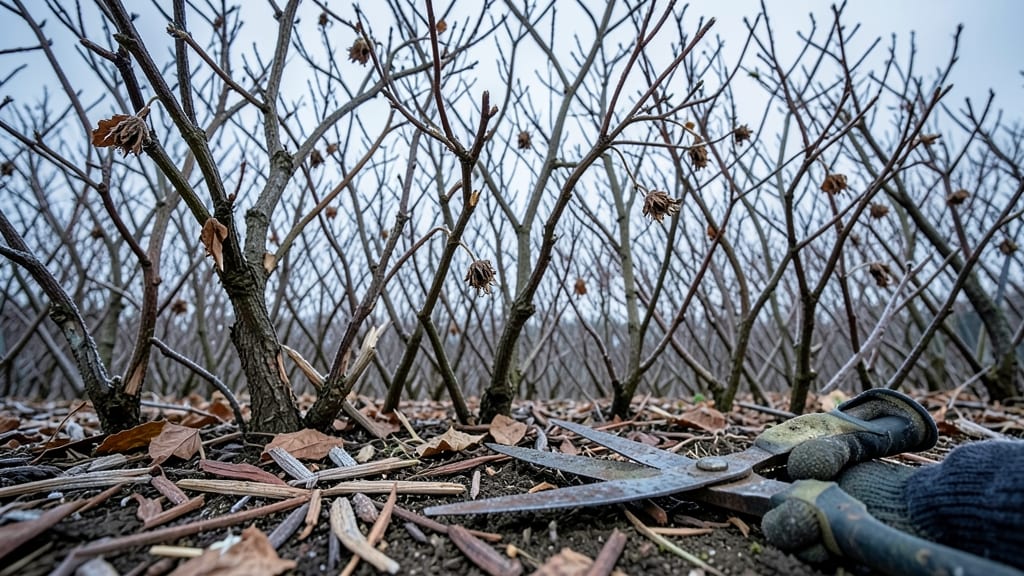
Struggling to balance privacy, beauty, and low-maintenance landscaping? Strawberry tree hedges offer year-round greenery, seasonal blooms, and natural screening—but only with proper pruning. These 10 varieties and techniques will transform your hedge into a thriving, controlled landscape feature.
Arbutus Unedo Evergreen Hedge

If you're craving a hedge that thrives on neglect and delivers year-round visual interest, Arbutus unedo—the strawberry tree—is your answer. This drought-tolerant Mediterranean native handles coastal winds, poor soil, and minimal water like a champ, making it ideal for water-wise landscapes where traditional hedges wilt.
The peeling cinnamon bark adds texture, while clusters of edible berries (tart but delicious) feed birds and humans alike. Plant in full sun to partial shade and space 8-10 feet apart for a dense hedge. Prune lightly in late winter to shape, but avoid heavy cuts—this slow grower (12-18 inches per year) rewards patience with evergreen foliage and autumn gold.
Perfect for coastal gardens, urban courtyards, or low-maintenance borders, this hedge combines beauty, utility, and resilience—no wonder it’s a favorite in Mediterranean landscapes. 🌿
Strawberry Tree Pruning for Springtime Blooms

Spring is the perfect time to coax out vibrant pink blooms on your strawberry tree (Arbutus andrachne)—but only if you prune the right way. Since this variety blooms on old wood, aggressive cuts now could mean fewer flowers later.
Start by removing any dead or crossing branches first, then thin out crowded areas to improve airflow. Next, shape the hedge by cutting back 1/3 of the oldest growth per branch—this encourages new shoots while preserving next year’s blossoms. Use sharp bypass pruners for clean cuts, and avoid heavy pruning after mid-spring to protect flower buds.
This method works best for gardeners who want both seasonal color and a lush, dense hedge. With proper timing, you’ll enjoy a canopy of blooms while keeping the foliage full and healthy. ✨
Dwarf Strawberry Tree Varieties for Small Gardens

If your garden space is limited but you crave the elegance of a strawberry tree hedge, dwarf varieties like Arbutus 'Compacta' deliver all the benefits in a compact package. These space-saving plants reach just 6-8 feet tall, making them ideal for urban yards, patios, or even large containers without compromising privacy or visual appeal.
Perfect for small gardens, Arbutus 'Compacta' thrives in well-drained soil and full sun to partial shade, producing fragrant white flowers followed by edible strawberry-like fruits. Its slow growth rate means minimal pruning—just an occasional trim to maintain shape. Urban gardeners will love how it fits seamlessly into modern landscapes while providing year-round structure.
This variety is especially great for beginners or those with limited outdoor space, offering the same lush foliage and seasonal interest as larger strawberry trees—just on a smaller scale. 💚
Summer Pruning to Control Wild Growth

Late summer is when your Arbutus menziesii hedge can spiral into a tangled mess—but with the right approach, you can tame its wild growth without cutting off next year’s blooms. This fast-growing variety thrives on attention, and a little strategic pruning now keeps it lush and manageable.
Focus on removing only the longest, leggiest branches that disrupt the hedge’s shape, cutting just above a leaf bud or side branch. Avoid heavy pruning—never remove more than 20% of the foliage—to preserve the plant’s energy for winter. For dense areas, thin out crowded branches to improve airflow and reduce disease risk. This late-summer trim encourages compact, bushier growth without sacrificing next year’s flowers.
This method is ideal for gardeners who want a low-maintenance yet polished hedge—perfect for urban yards or mixed borders. With just 30 minutes of work every August, you’ll keep your strawberry tree hedge thriving. 🌿
Formal Hedge Shaping Techniques

Transform your strawberry tree hedge into a stunning architectural feature with formal topiary techniques. Unlike wild, natural hedges, geometric shapes create elegant focal points that elevate any formal landscape—think French gardens or English country estates.
Start by training young branches with flexible wire frames to guide growth into curves, spirals, or sharp angles. Use layered cuts—trim outer foliage first, then gradually shape inner branches to maintain density. For precision, wrap branches with wire before they harden, then prune to refine the outline. Repeat every 4-6 weeks during the growing season to maintain crisp edges.
This method is ideal for gardeners who love structured designs and want to showcase their strawberry trees as year-round art. The result? A hedge that’s as striking as it is functional. ✨
Winter Pruning for Renewal and Disease Prevention

Cold winters can leave your strawberry tree hedge vulnerable to deadwood and disease—but winter pruning is your secret weapon. While other hedges might struggle in northern climates, this dormant-season trim removes damaged branches before spring growth begins, setting the stage for healthier foliage.
Start pruning after the first hard frost but before late winter, focusing on removing dead, diseased, or crossing branches first. Use sharp shears to make clean cuts just above outward-facing buds, and avoid over-pruning—never remove more than one-third of the hedge in a single season. This approach stimulates fresh growth while reducing winter damage risks.
Northern gardeners will especially appreciate how winter pruning strengthens hedges against freeze-thaw cycles and fungal issues. It’s the perfect time to refresh your hedge with minimal stress to the plant. ✨
Fast-Growing Strawberry Tree Varieties for Quick Privacy

Tired of waiting years for a lush, private hedge? Arbutus 'Marina' and similar fast-growing varieties deliver 2-3 feet of growth annually, making them perfect for new builds or replacing invasive species without the long wait.
These varieties thrive in well-drained soil with 6 hours of sun daily and tolerate moderate drought once established. Plant them 12-18 inches apart for a dense hedge in 3-5 years. Their glossy leaves and peeling bark add visual interest while providing year-round screening.
Ideal for homeowners needing quick privacy, these varieties outpace slower-growing hedges like boxwood or privet—giving you a finished look in half the time. 🌱
Naturalistic Hedge Design for Wildlife Gardens

Skip the rigid, manicured look—your strawberry tree hedge can do double duty as a wildlife magnet while still providing privacy. Instead of shearing into perfect lines, embrace irregular, layered pruning to mimic a natural woodland edge, complete with nooks for birds and flowers for pollinators.
Start by leaving the outer edges slightly uneven to create shelter, while thinning the center to allow sunlight to reach the base. Leave some branches unpruned to produce edible berries—a favorite for robins and thrushes—and plant native wildflowers at the hedge’s base to attract bees and butterflies. This approach works best with Arbutus unedo or Arbutus andrachne, which thrive in partial shade and tolerate occasional neglect.
Eco-conscious gardeners will love how this design supports biodiversity without sacrificing aesthetics. Your hedge becomes a year-round ecosystem, not just a screen. 🌿
Strawberry Tree Root Pruning for Healthier Growth

Your strawberry tree hedge might look healthy above ground, but root-bound plants suffer silently—leading to stunted growth, yellowing leaves, and poor flowering. Root pruning is the secret weapon to unlock your hedge’s full potential by encouraging deeper, stronger roots and better nutrient absorption.
Perform root pruning in early spring before new growth begins, using a sharp spade to cut 10-15% of the outer roots in a circular pattern, about 12-18 inches from the trunk. Focus on thick, woody roots that circle the base, as these restrict growth. After pruning, top-dress with compost or well-rotted manure to stimulate regrowth and provide essential nutrients.
This technique is especially valuable for mature hedges or those planted in containers, where roots become densely packed. Root pruning revitalizes struggling plants and ensures your strawberry tree hedge stays lush and vibrant for decades. 💪
Common Pruning Mistakes to Avoid

Even the hardiest strawberry tree hedges can decline if pruning mistakes turn your lush screen into a sparse shadow. One common error? Pruning too aggressively in late winter—when the plant is still dormant—leaving it vulnerable to cold damage and stress. Another pitfall is using dull shears, which tear branches instead of making clean cuts, inviting disease.
To revive a struggling hedge, start by pruning only 10-15% of the foliage per year and avoid cutting back into old wood, which reduces flowering. Always sterilize tools with rubbing alcohol between cuts to prevent bacterial spread. For over-pruned hedges, focus on selective thinning to restore airflow and light penetration.
Beginners and urban gardeners often face these issues—this hedge can bounce back with patience and precision. 💪